

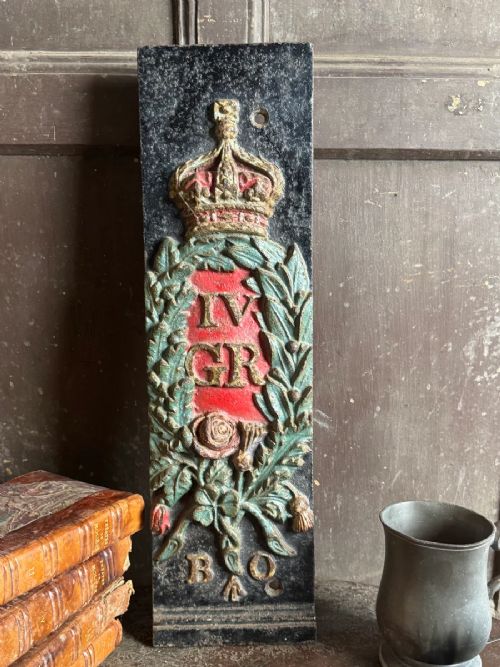


Antique Iron Wall Sign
These antique iron wall signs are robust historical markers of trade, rail, and street life, offering genuine industrial character for interior and exterior spaces.
Antique Iron Wall Sign
An antique iron wall sign serves as a durable marker from past commerce, municipal administration, and transport networks. When exploring this selection, buyers encounter functional pieces that once directed travellers, advertised goods, or marked establishments.
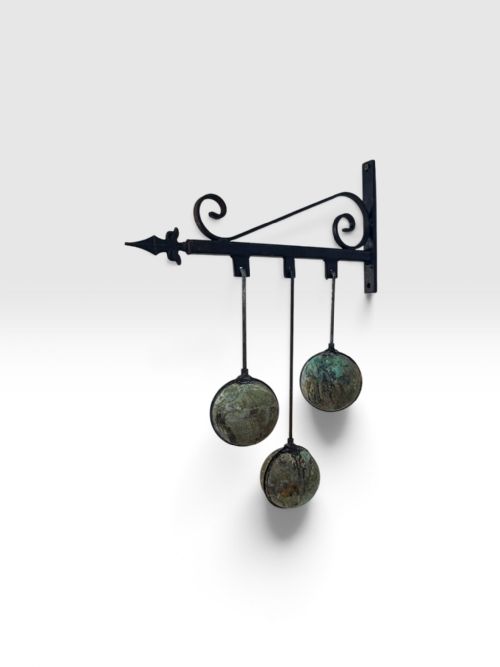
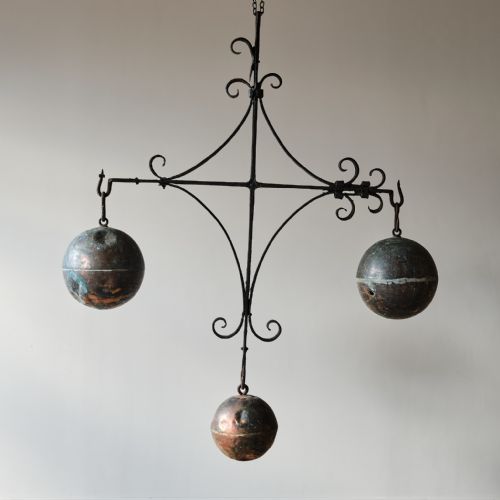
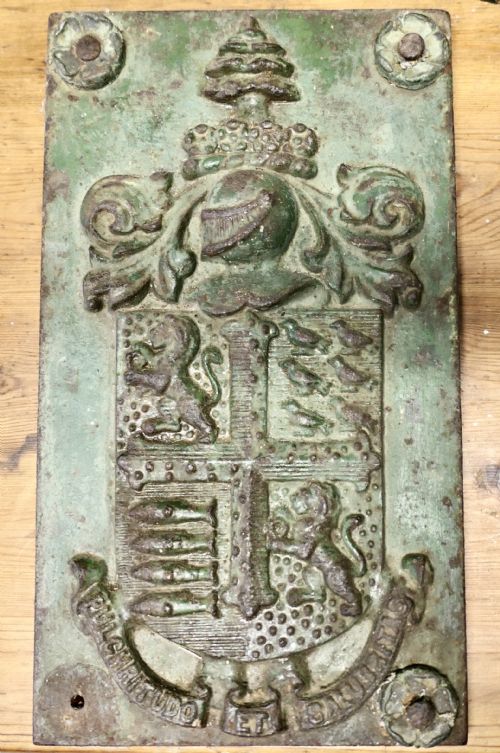
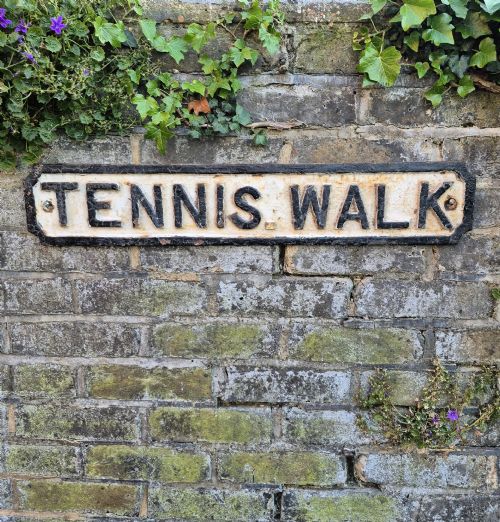
The assortment spans varied forms, including trade signs, street signs, railway notices, and armorial plaques. Pieces range from the nineteenth century through the early twentieth century, reflecting the material culture of British and European public spaces.
Cast iron and sheet iron dominate the physical forms, often bearing painted or enamelled surfaces. Buyers frequently find items tied to specific railways, municipal streets, and historical trades such as pawnbroking or pharmacy.
Materials and construction methods
Foundries produced these items primarily using cast iron, wrought iron, and sheet iron, frequently shaped into heavy plaques or structural wall brackets. Copper occasionally appears in trade signs, while wood provides backing or support in specific hanging formats.
Surface decoration relies heavily on hand painting and enamel techniques to ensure visibility outdoors. Cast lettering and raised borders emerge directly from the moulding process, providing distinct tactile definition to text and armorial details.
Antique Iron Wall Sign Retail Price Guide 2026
Typical asking prices for iron wall sign among the pieces listed under this phrase on Sellingantiques today, from the lower quarter to the upper quarter. They describe what is for sale here now, not the wider market.
A galloping sheet metal horse from the early twentieth century proves that not all functional trade signs had to stay strictly stationary.
Factors that define quality
Quality rests upon the crispness of the casting and the preservation of original painted or enamelled surfaces. Pieces with legible, factory-applied lettering and defined armorial details demonstrate superior craftsmanship compared to heavily worn examples.
The structural integrity of the metalwork and the presence of original mounting brackets or fixings influence the desirability of an object. Patina resulting from age adds character, provided the underlying iron remains stable and legible.
The Antique Iron Wall Sign Glossary
- Cast iron
- A sturdy alloy poured into moulds to create rigid plaques, brackets, and heavy signage. It provides the foundational durability seen in nineteenth-century railway and street notices.
- Enamel
- A fused glass coating applied to metal surfaces to provide bright, weather-resistant colours for advertising and public notices. This technique protects the iron underneath from rust.
- Armorial plaque
- A wall sign displaying a coat of arms, civic crest, or governmental insignia, often cast in relief. These objects denoted official authority or municipal identity.
- Trade sign
- A functional object designed to advertise a specific profession or business, such as pawnbroking or pharmacy. These items hung outside shops to attract passing trade.
- Architectural salvage
- Elements removed from buildings, railway lines, or streetscapes for preservation and reuse. This category includes directional plaques and structural sign brackets.
Antique Iron Wall Sign: Frequently Asked Questions
Can these signs be displayed outdoors?
Many of these pieces were originally manufactured for outdoor exposure on streets, railways, and buildings. However, prolonged modern weather exposure can accelerate rust on exposed iron and flake vulnerable painted surfaces.
If placed outside, position the sign under an overhang or apply a protective microcrystalline wax to guard against moisture while preserving the historical surface.
How do I clean an antique iron sign?
Remove surface dust using a dry, soft brush and avoid harsh chemical cleaners that can strip original paint or enamel layers. Gentle wiping with a damp cloth is usually sufficient for routine maintenance.
Refrain from aggressive scraping or sanding, as the weathered patina and remnants of early paint layers form an essential part of the object's historical value.
How do I identify the age of an iron sign?
Examine the manufacturing technique, lettering style, and material composition to establish a baseline period. Nineteenth-century examples often feature heavier sand castings and hand-painted lettering, whereas twentieth-century pieces frequently utilise sheet metal or printed enamel.
Reference specific railway companies, municipal titles, or trade practices mentioned on the sign to narrow down the decade of production.