



Antique Iron Table Light
These antique iron table light examples combine cast and wrought iron with glass, porcelain, and brass to illuminate period spaces.
Antique Iron Table Light
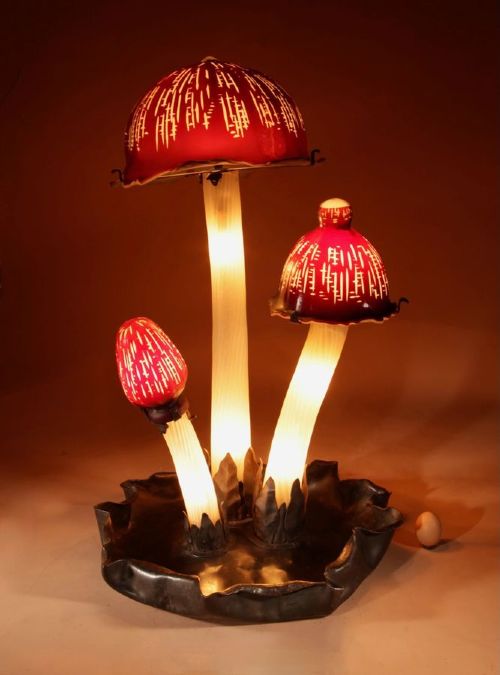
You are most likely to meet pieces from the 1930s and the 19th century on this page, reflecting styles from Art Deco to Victorian and American Folk Art. Forms range from table lamps and candlesticks to converted Japanese Kutani vases.
The objects combine iron bases with materials like brass, fabric, wood, and art glass to create functional illumination. Many retain their original character through patinated finishes and period conversions.
Construction and materials
Maker construction relies heavily on cast iron and wrought iron for structural bases and standards, often paired with brass elements and black enamel coatings. These metals provide the necessary weight and durability for desk and table lighting.
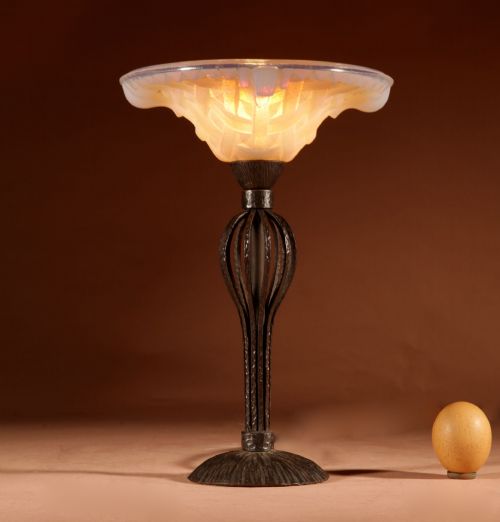
Lamps incorporate delicate contrasting elements such as opalescent glass, Bohemian glass, and hand-painted Japanese Kutani porcelain. Fabric and art glass shades complete the fixtures, diffusing light from early electric or oil configurations.
Antique Iron Table Light Retail Price Guide 2026
Typical asking prices for iron table light among the pieces listed under this phrase on Sellingantiques today, from the lower quarter to the upper quarter. They describe what is for sale here now, not the wider market.
Listings feature items spanning the 1860s to the 1930s, incorporating cast iron, wrought iron, brass, porcelain, and art glass.
Assessing quality and craftsmanship
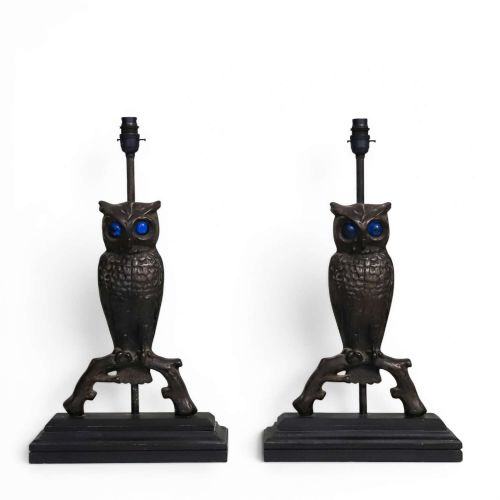
Quality separates mass-produced utility items from finer sculptural examples through the crispness of the iron casting and the quality of the patination. Bronze patinated cast iron candlestick figures and detailed figural owl lamps demonstrate superior sculptural ambition compared to basic utilitarian fixtures.
The integration of specialised glass components, such as Lalique or Bohemian art glass paired with wrought iron frames, elevates a piece above standard domestic lighting. The refinement of the conversion work from earlier items like andirons or oil lamps dictates the overall integrity of the finished light.
Hawkins·Lacroix·Lalique
The Antique Iron Table Light Glossary
- Cast iron
- Iron poured into a mould to create rigid shapes and detailed figures. It provides heavy, stable bases for Victorian and 1930s table lights.
- Wrought iron
- Iron beaten and heated by hand into decorative scrolls and structural frames. This material appears frequently in Art Deco lamp bases.
- Gimbal lamp
- A lighting fixture mounted on pivoting rings to keep it level on moving ships. Naval examples utilise black enamelled iron for marine durability.
- Kutani porcelain
- Japanese painted porcelain decorated with rich coloured glazes. These vases are frequently converted into decorative table lamps.
- Opalescent glass
- Glass that displays a milky, multi-toned appearance with shifting colours. It is used in French Art Deco lamp shades to soften illumination.
Antique Iron Table Light: Frequently Asked Questions
What periods do these iron lights come from?
The listings span from the mid-nineteenth century through the 1930s, encompassing Victorian, Art Deco, and 19th Century Rococo Revival styles.
Earlier items often begin as oil lamps or utilitarian ship fixtures, while later examples reflect 1930s modernist and industrial designs.
How were these metal lamps originally used?
Many served as functional domestic desk or table lighting, burning oil or utilising early electric wiring.
Others started as ship gimbal lamps, candlesticks, or andirons before being adapted for modern illumination.
What materials accompany the iron structures?
Iron is frequently paired with brass, wood, fabric, and porcelain elements to create varied aesthetic effects.
Art glass, Bohemian glass, and opalescent glass components often form the shades or decorative bodies of the lamps.
How do I identify a converted lamp?
Conversions often adapt pre-existing objects, such as Japanese Kutani vases, cast iron andirons, or oil lamps, into electric table lights.
Evidence of adaptation remains visible in the structural modifications made to accommodate wiring and bulb fittings.