



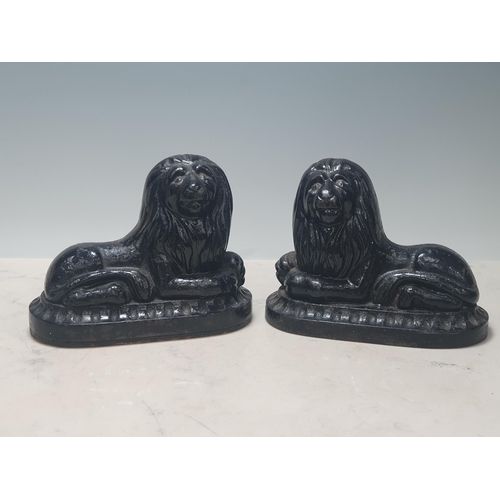
Antique Iron Stop
An antique iron stop holds heavy doors with sturdy weight, bringing utilitarian domestic ironwork into the sitting room.
Antique Iron Stop
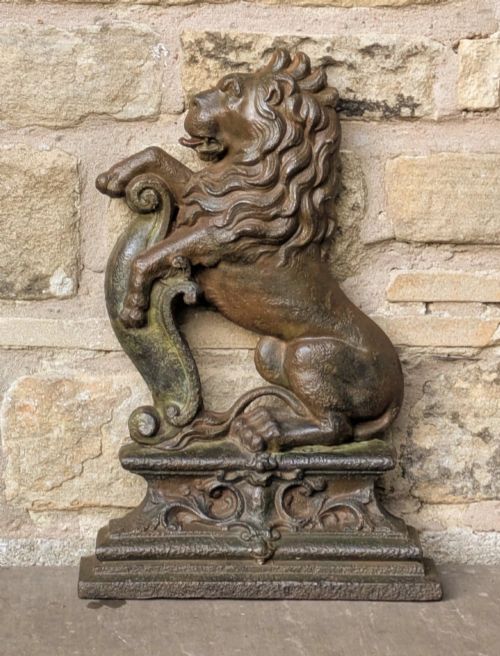
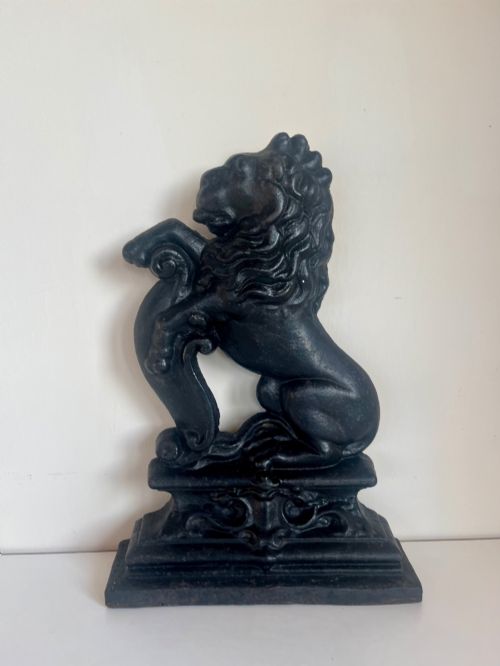
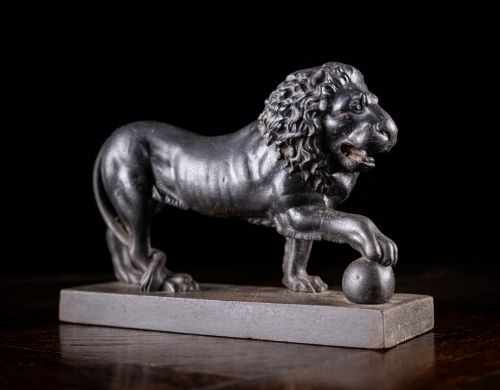
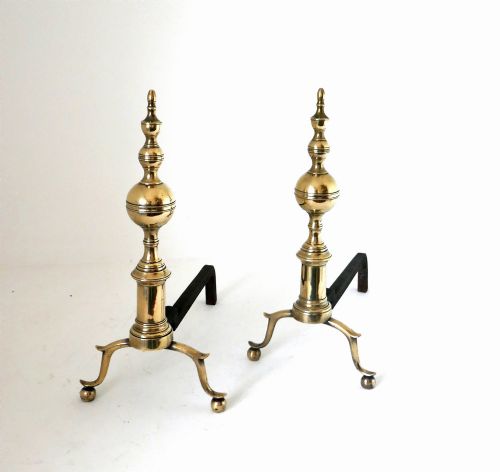
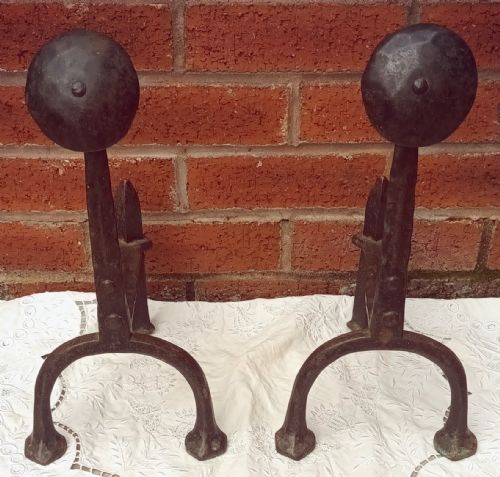
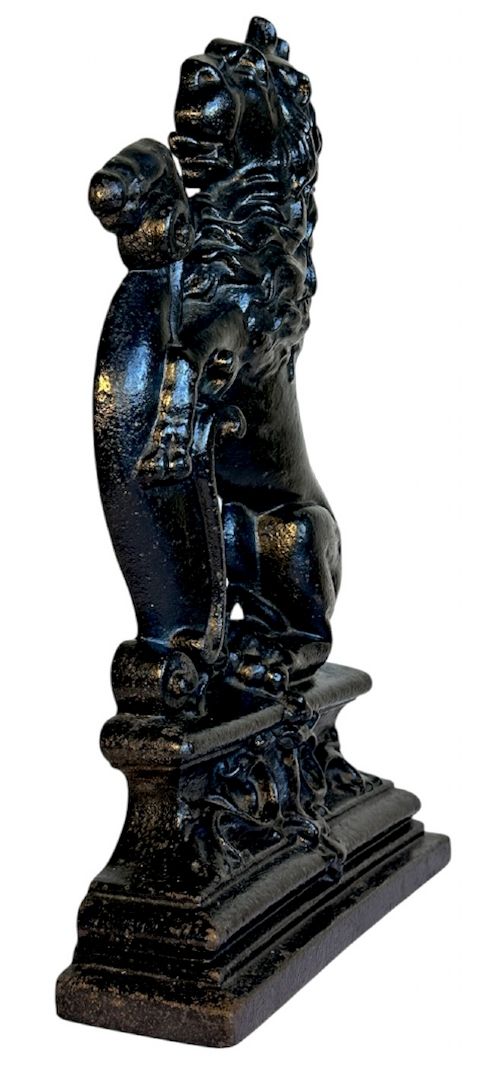
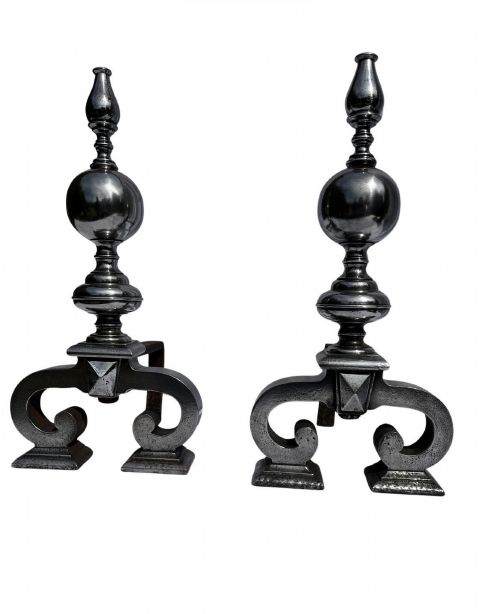
An antique iron stop encompasses functional hearth furniture and heavy door porters designed to keep heavy oak or pine doors firmly ajar. You will encounter figural doorstops shaped as rampaging lions, domestic dogs like spaniels and border collies, literary characters such as Mr Punch, and historical figures like Lord Nelson.
The selection spans periods from the Georgian era through the Victorian period and Edwardian times, alongside robust andirons and fire dogs intended for open coal or wood fires. These pieces originate primarily from British workshops, though American hearth examples also appear.
Most items you meet on this page date from the nineteenth century, cast in solid metal to serve practical household purposes before graduating to decorative display. Doorstops and fire furniture alike combine utilitarian strength with sculptural presence, reflecting the domestic priorities of period homes.
Evaluating Quality
The distinction between ordinary utility castings and superior examples rests upon the crispness of the mould work and the fidelity of the sculptural model. Fine casting captures subtle expressions on animal faces and the detailed folds of drapery on figures like the Egyptian Revival sphinx or Lord Nelson.
Weight and structural integrity dictate the functional success of a door stop or pair of andirons, separating robust period pieces from lighter reproductions. Original surface finishes, whether aged paint or unpolished black iron, contribute significantly to the character and authenticity of the piece.
Antique Iron Stop Retail Price Guide 2026
Typical asking prices for iron stop among the pieces listed under this phrase on Sellingantiques today, from the lower quarter to the upper quarter. They describe what is for sale here now, not the wider market.
Listings feature cast iron doorstops, andirons, and boot scrapers spanning the Georgian, Victorian, and Edwardian periods.
The Antique Iron Stop Glossary
- Andirons
- Iron supports used in pairs to hold logs above the hearth floor and allow air circulation beneath the fire. These heavy metal rests often feature decorative finials matching period fire dogs.
- Door porter
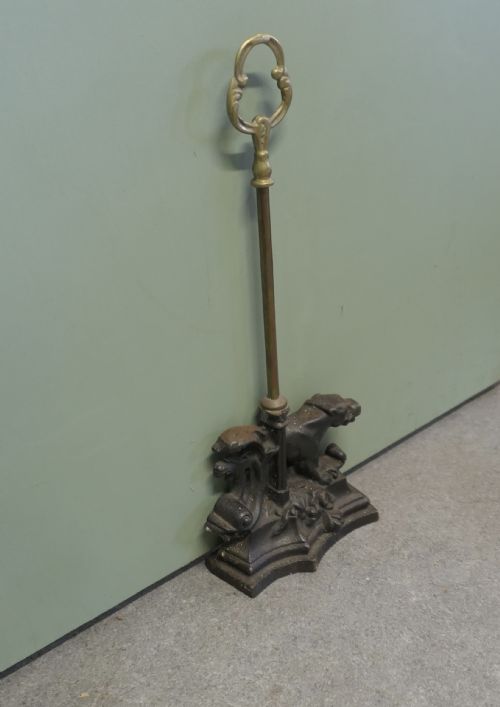
- Alternative term for a heavy doorstop designed to hold interior doors open against draughts. These substantial iron weights incorporate a looped handle at the top for easy lifting.
- Boot scraper
- A fixed iron blade or cast iron domestic accessory placed near exterior entrances to remove mud from footwear. They frequently take animal forms such as recumbent lions.
- Egyptian Revival
- A nineteenth century decorative style drawing upon pharaonic motifs like sphinxes. This aesthetic reflects archaeological discoveries popularised during the Regency and Victorian eras.
- Cast iron
- An iron-carbon alloy poured into moulds while liquid to create rigid decorative objects. This heavy material provides the essential mass required for functional doorstops and fire irons.
Antique Iron Stop: Frequently Asked Questions
What is an antique iron stop?
An antique iron stop is a heavy domestic accessory, typically a doorstop or fire iron, cast from iron during the eighteenth, nineteenth, or early twentieth centuries.
These functional objects were designed to prop open heavy doors or support firewood in the hearth, combining practical utility with decorative figural sculpture.
How do I date a cast iron doorstop?
Dating relies on stylistic clues, historical subjects, and casting characteristics rather than stamped dates. Victorian examples often depict popular cultural figures or animals associated with the period.
Examining the wear on the base and the condition of any original paint layers helps distinguish nineteenth-century production from later reproductions.
Were these painted originally?
Many nineteenth-century doorstops and fire accessories left the foundry with protective coats of black paint or detailed multi-coloured polychrome decoration.
Surviving traces of original pigment indicate how makers enhanced the sculptural relief of lions, dogs, and characters like Mr Punch for domestic display.
How do I care for cast iron?
Cast iron requires dry indoor conditions to prevent surface oxidation and flaking of historic paint layers. Gentle dusting with a dry cloth is sufficient for routine maintenance.
Avoid applying modern oils or harsh chemical cleaners directly onto painted surfaces, as these can soften historic finishes.