



Antique Iron Standard
An antique iron standard brings weight and architectural presence to a room, offering sturdy support for light or display across various historical periods.
Antique Iron Standard
An antique iron standard encompasses robust floor-standing fixtures and supports, most frequently seen here as Victorian and nineteenth-century standard lamps, adjustable reading lights, and heavy candelabras.
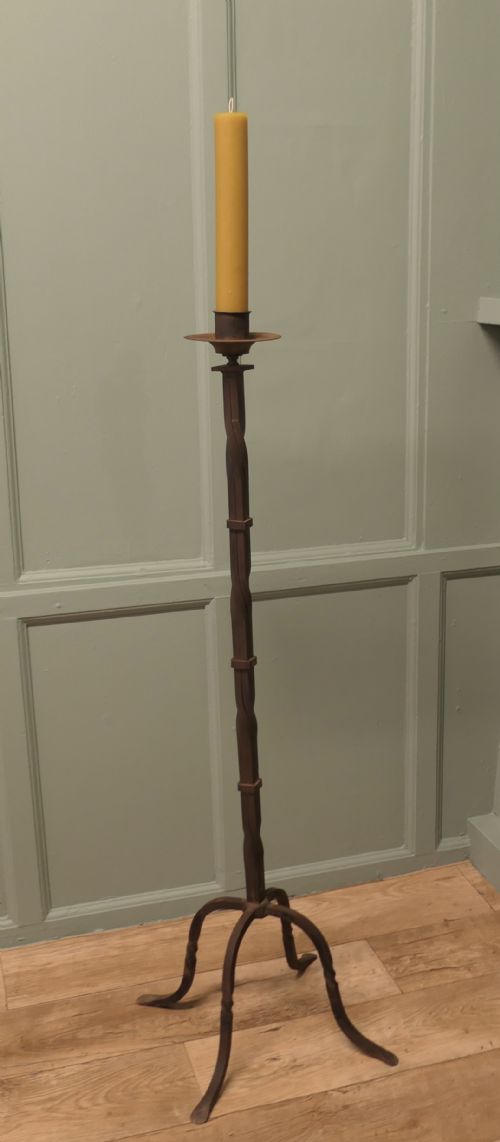
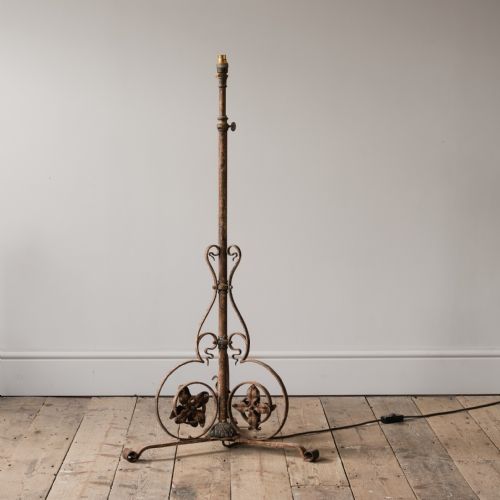
The selection on this page ranges from tall blacksmith-made wrought iron candle stick stands and telescopic floor-standing lamps to industrial searchlights and heavy metal garden or street lamp posts.
Buyers seeking an antique iron standard encounter diverse functional forms originating from the nineteenth century through the Edwardian era and into the Art Deco period, incorporating brass, bronze patina, and glass elements.
How they were made
Construction relies heavily on forged wrought iron and moulded cast iron, often shaped by blacksmiths into telescopic stems or articulated adjustable arms.
Many items combine structural metals with decorative finishes like bronze patina, alongside brass fittings, glass shades, and fabric components for lighting applications.
Antique Iron Standard Retail Price Guide 2026
Typical asking prices for iron standard among the pieces listed under this phrase on Sellingantiques today, from the lower quarter to the upper quarter. They describe what is for sale here now, not the wider market.
Some heavy iron standards doubled as robust tennis court net posts, proving that sport and sturdy metalwork make sturdy companions.
What varies in quality
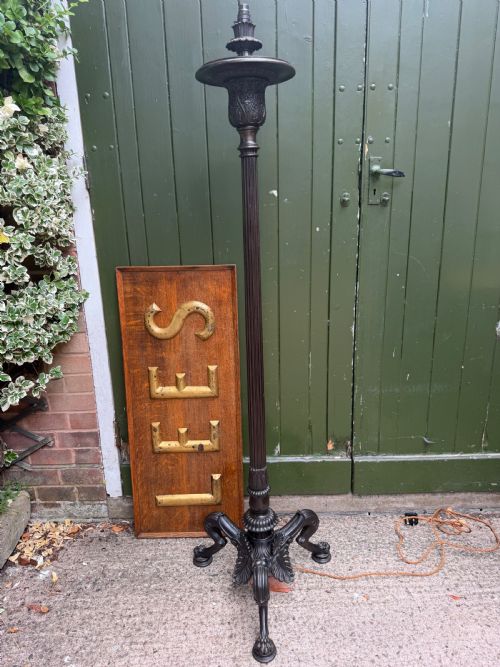
Quality differences emerge in the skill of the blacksmithing and the crispness of casting detail, distinguishing plain utilitarian ironwork from more ornate classical Grecian or Art Nouveau designs.
F.H. Ayres
The Antique Iron Standard Glossary
- Wrought iron
- Iron that has been heated and shaped with tools by a blacksmith, recognised by its fibrous texture and visible hammer marks. It offers high tensile strength and resilience.
- Cast iron
- Iron poured in a molten state into a mould to cool, producing heavy decorative components with sharp architectural or classical details. It forms rigid bases for large floor lamps.
- Telescopic
- Describing an object designed with concentric sliding tubes that allow the overall height to be adjusted. This mechanism is frequently found on nineteenth-century floor lamps.
Antique Iron Standard: Frequently Asked Questions
Were these floor lamps originally electrified?
Many nineteenth-century and early twentieth-century iron standards began life as oil lamps, gas lights, or candle stands. They were frequently converted to electricity later in their working lives.
When examining these pieces, look for evidence of early wiring channels or burner assemblies that have been adapted. Such conversions reflect the changing domestic technology of the period.
How do I date a wrought iron standard?
Dating relies on observing construction methods, tool marks, and stylistic clues such as Gothic Revival, Art Nouveau, or Art Deco motifs. Nineteenth-century examples often display distinct blacksmith forging techniques.
Associated hardware, switches, and patination on the metal provide additional chronological markers. Comparing the overall design to dated comparative pieces helps narrow the decade.
How heavy are cast iron standard lamps?
Cast iron standards possess considerable weight due to the density of the metal, particularly in the bases. This mass ensures stability when supporting heavy arms or large shades.
Care must be taken when moving these floor-standing pieces across delicate flooring. Two people may be required to lift larger candelabras or lamp posts safely.