


Antique Iron Stand
These heavy, utilitarian supports form the bulk of any search for an antique iron stand, serving practical domestic roles in reception halls and firesides.
Antique Iron Stand
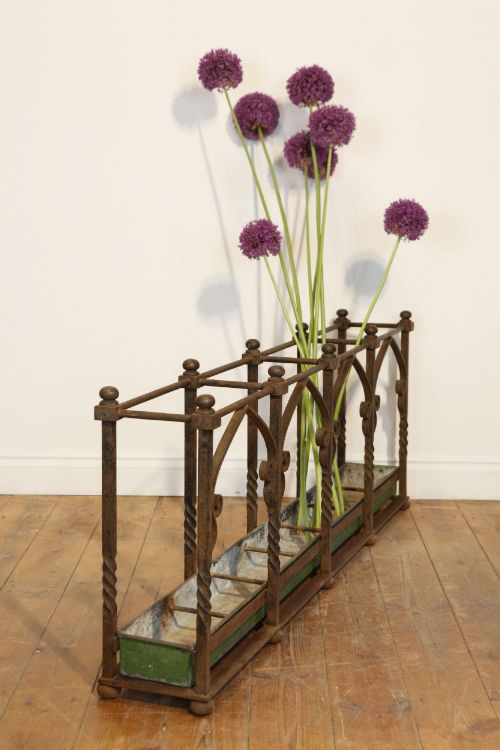
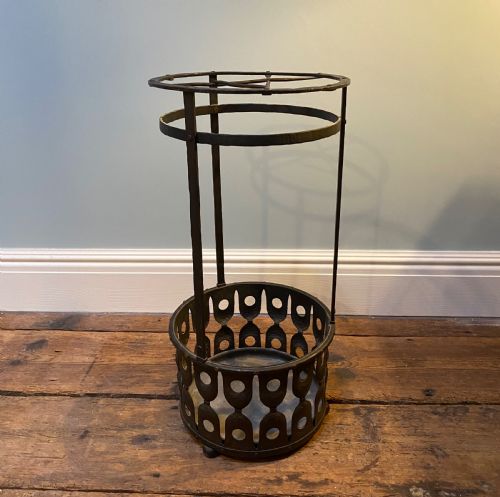
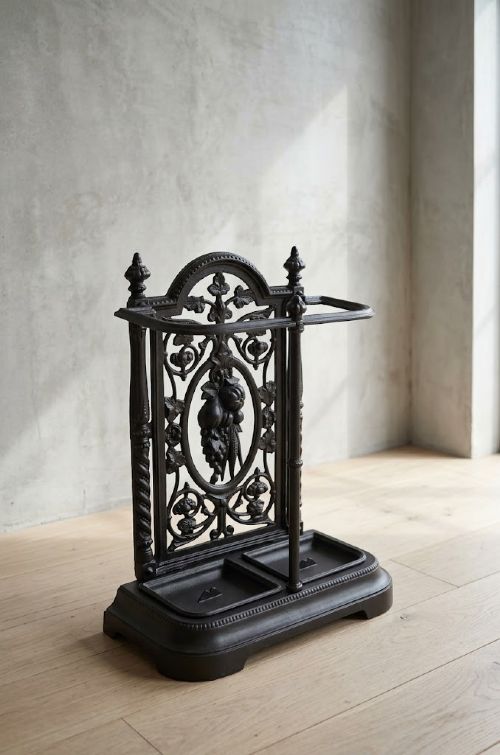
When searching for an antique iron stand, buyers generally encounter utilitarian items designed for everyday nineteenth-century and early twentieth-century use. Umbrella and stick stands dominate the selection, functioning as heavy hallway furniture to catch rainwater from walking sticks and wet brollies.
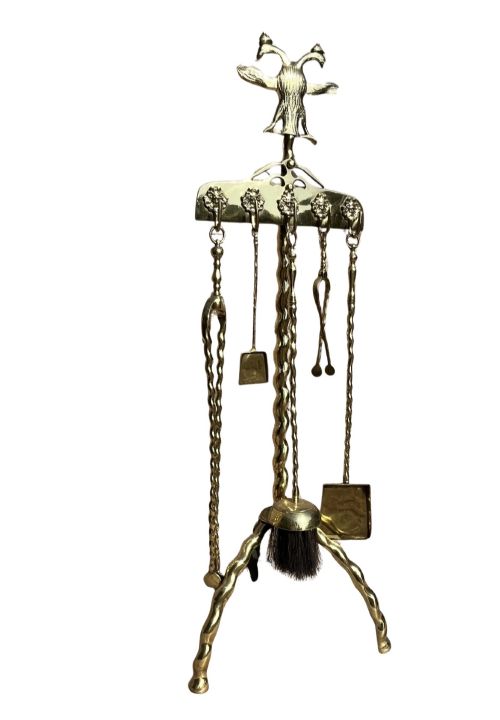
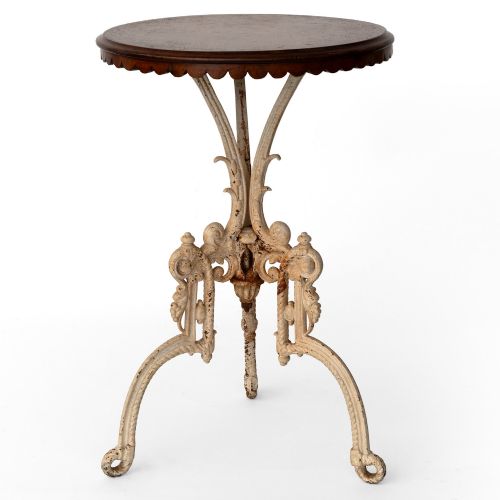
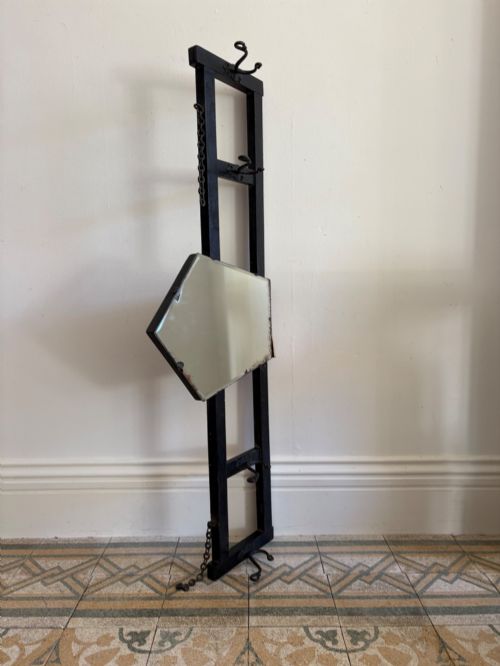
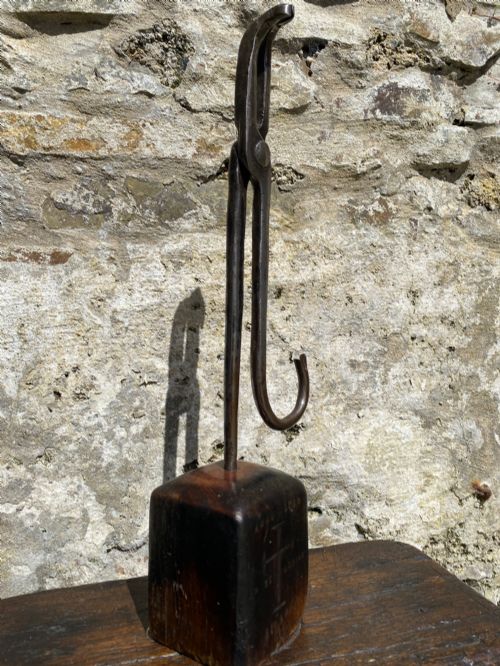
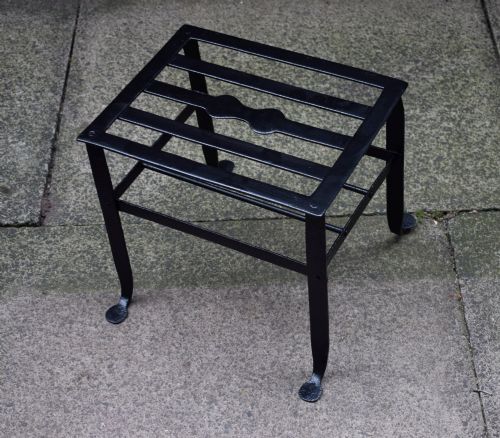
Beyond hall furniture, the listings include plant stands, fire grates, and specialised hearth accessories from the Victorian and Edwardian eras. These domestic objects appear in various forms, ranging from simple blacksmith-made hearth footmen to ornate cast umbrella holders bearing intricate stick loops and drip pans.
The material origins trace primarily through the nineteenth century, encompassing Victorian, Edwardian, and Art Nouveau stylistic periods. English and French workshops produced the majority of these pieces, employing robust metals to withstand daily wear in bustling entrance halls and manor houses.
Evaluating standard and craftsmanship
Quality in an iron stand rests upon the crispness of the foundry casting and the integrity of the structural joins. Finer pieces display sharply defined botanical or Gothic motifs without the blurring or pitting common in hurried mass production.
The inclusion of original removable drip trays at the base distinguishes better examples from incomplete ones, as these thin metal pans frequently rusted away and went missing over time. Maker attribution, such as foundry stamps from prominent nineteenth-century makers, also elevates the standing of a piece.
Antique Iron Stand Retail Price Guide 2026
Typical asking prices for iron stand among the pieces listed under this phrase on Sellingantiques today, from the lower quarter to the upper quarter. They describe what is for sale here now, not the wider market.
Listings feature cast iron, brass, and wrought iron shaped into umbrella stands, plant stands, and fire grates across the nineteenth and twentieth centuries.
Coalbrookdale
The Antique Iron Stand Glossary
- Cast iron
- Iron poured into a mould in a molten state to create rigid, highly detailed decorative objects. This technique allowed Victorian foundries to mass-produce complex Gothic and Aesthetic Movement umbrella stands.
- Wrought iron
- Iron worked by hand while hot using a hammer and anvil rather than poured into a mould. Blacksmiths utilised this malleable metal for making durable hearth equipment and floor stands.
- Drip pan
- A shallow metal tray situated at the base of an umbrella stand to catch water. Original pans are crucial for keeping floors dry and maintaining the completeness of the piece.
- Stick loop
- The upper metal divider or ring array on an umbrella stand that keeps walking sticks and brollies upright. These loops form the structural framework of hall stands.
- Aesthetic Movement
- A late nineteenth-century design style emphasising visual beauty over narrative function. Pieces from this movement often incorporate stylized plant forms and geometric ironwork.
Antique Iron Stand: Frequently Asked Questions
What is an antique iron stand used for?
These stands primarily served domestic roles in Victorian and Edwardian hallways, holding wet umbrellas, walking sticks, and parasols. Other variants supported plants, candles, or fireplace tools near the hearth.
Their heavy metal construction provided the necessary stability to hold tall, awkward items upright without tipping over on stone or wooden floors.
How do I clean an iron stand?
Dust the surface regularly with a dry cloth and apply a light coat of neutral wax or microcrystalline wax to protect the metal from moisture. Avoid harsh chemical cleaners that can strip original patination or painted finishes.
If the piece has an enamel drip pan, wash and dry it thoroughly before replacing it in the base to prevent rust accumulation.
Are these stands waterproof?
While the metal frames tolerate moisture, antique stands often feature iron or tin drip pans that can rust if left sitting in standing water for extended periods. It is wise to empty and dry the base tray periodically.
Many surviving pieces show evidence of interior corrosion precisely because their original purpose involved containing wet umbrellas day after day.
How can I tell if an iron stand is Victorian?
Victorian examples typically display distinct design traits such as Gothic Revival motifs, heavy cast frames, and sometimes registry diamond marks stamped into the metal. The weight and texture of nineteenth-century foundry work differ noticeably from modern reproductions.
Examining the construction of the joints, screws, and the wear patterns on the feet helps confirm the age and authenticity of the piece.