



Antique Iron Sign
An antique iron sign carries the weight of past commerce, street directions, and civic identity.
Antique Iron Sign
When you search for an antique iron sign, you encounter heavy metal markers that once directed travellers, advertised local trades, or marked public buildings. These pieces span from Georgian plaques to industrial indicators from the nineteen-thirties.
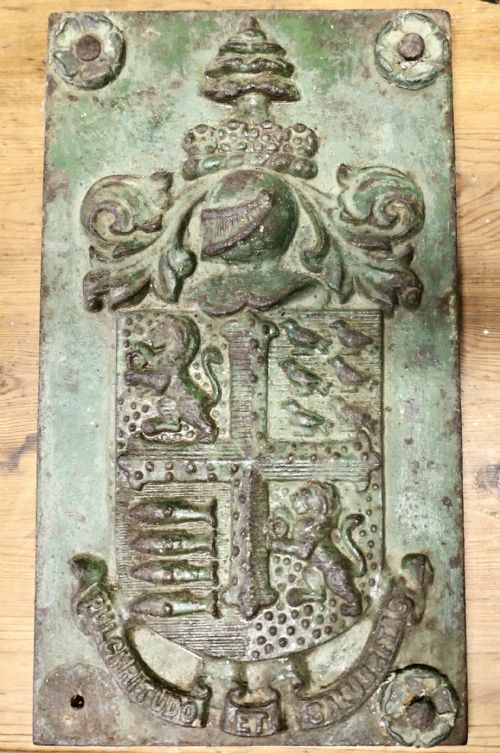
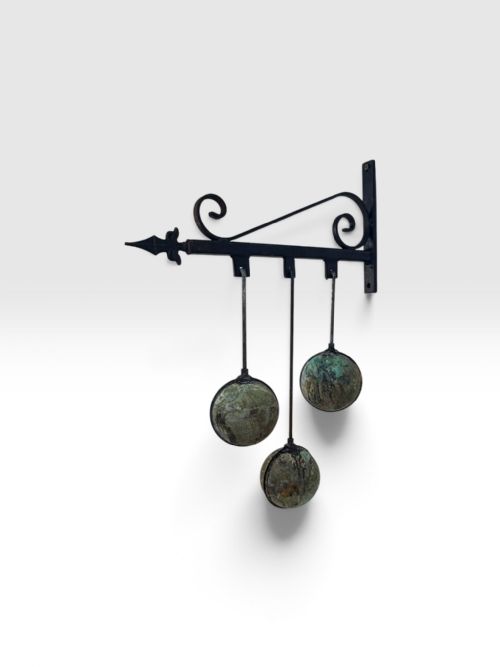
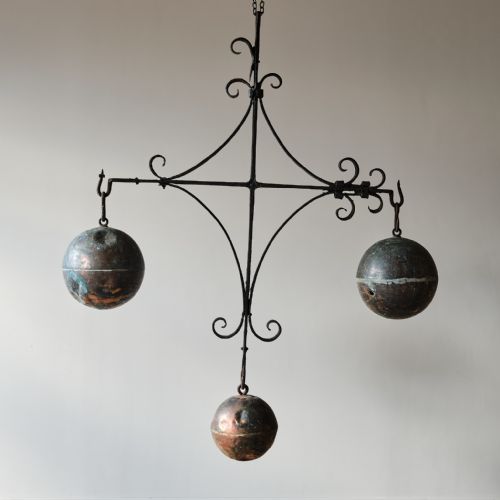
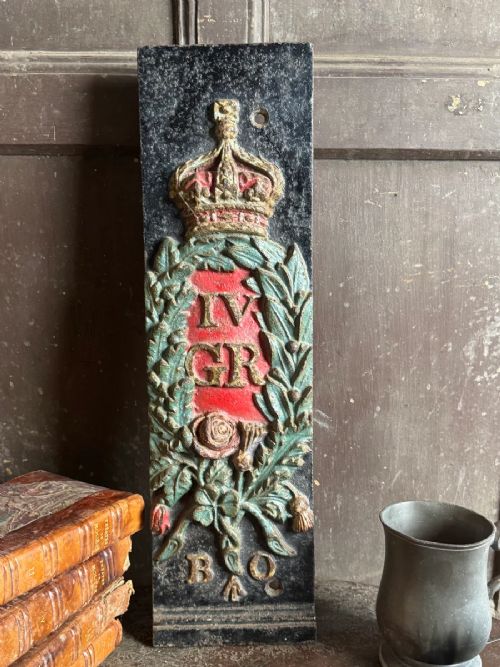
The selection on this page includes cast iron trade signs, painted wall plaques, street signs, and hanging pub signs. You will also find architectural salvage, weather vanes, and specific trade markers such as pawnbrokers and apothecary displays.
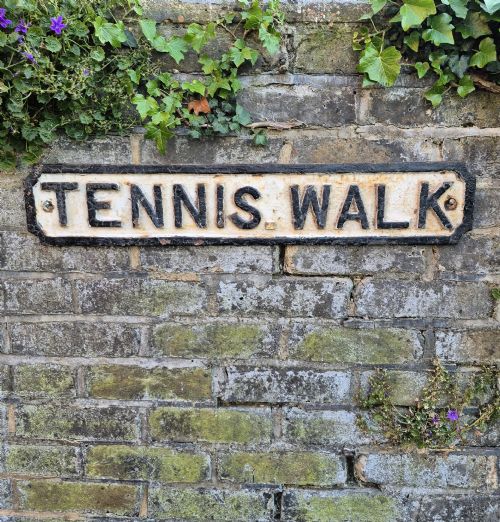
Origins stretch across British, French, and Japanese traditions, mixing functional municipal notices with folk art expressions. Each object records a specific function in past daily life, whether guiding a pedestrian along Jersey Road or marking a butcher's window.
What varies in quality
Quality in these metal objects rests on the crispness of the original casting and the depth of the surviving paint scheme. Sharply defined lettering and armorial details indicate superior foundry work from periods like the nineteenth century.
The integrity of the metal surface and the honesty of the weathering distinguish better examples from heavily restored ones. Original hand-painted lettering carries a visual authority that modern repainting obscures.
Antique Iron Sign Retail Price Guide 2026
Typical asking prices for iron sign among the pieces listed under this phrase on Sellingantiques today, from the lower quarter to the upper quarter. They describe what is for sale here now, not the wider market.
Listings feature items spanning from the fifteenth century up to nineteen-forty, utilising cast iron, wrought iron, sheet iron, copper, brass, and paper.
Gerwin and Co Birmingham·J and H Keyworth and Co
The Antique Iron Sign Glossary
- Cast iron
- A hard, brittle alloy of iron and carbon poured into a mould to form complex shapes and lettering. It forms the body of many nineteenth-century trade signs and plaques.
- Wrought iron
- A tough, malleable form of iron beaten and bent by hand into brackets, weather vanes, and structural supports. This material resists shock and bending better than cast iron.
- Armorial plaque
- A cast or painted metal display showing a coat of arms, civic crest, or royal insignia. These items often marked official buildings or private estates.
- Trade sign
- A marker hung outside a shop or business to advertise the profession within, such as a pawnbroker's symbol or a pestle and mortar for an apothecary.
Antique Iron Sign: Frequently Asked Questions
How do I hang a heavy iron sign?
Heavy cast iron and sheet metal pieces require mechanical fixings directly into structural masonry or timber studs. Wall brackets must bear the full weight without pulling loose from the wall.
Ensure you locate the fixing points securely, as trade signs often exceed normal domestic weights and require robust support to prevent damage.
Are these signs suitable for outdoor display?
Many of these pieces originated outdoors as street markers, pub signs, or architectural plaques. However, prolonged exposure to modern moisture levels can accelerate corrosion on historic metal surfaces.
If you place an antique iron sign outside, monitor the paint condition closely and shelter it from severe weather to preserve the remaining surface pigment.
How do I clean an old painted metal sign?
Dust the surface gently with a dry, soft brush to remove loose dirt and debris. Avoid abrasive cleaners, harsh detergents, or scrubbing, which will damage delicate historic paint layers.
Conserving the original patina means accepting minor surface dirt rather than attempting to return the object to a factory-fresh finish.
How can I tell a nineteenth-century sign from a later one?
Examine the casting quality, the weight of the metal, and the composition of the paint layers. Nineteenth-century examples often display deeper relief work and thicker iron plates compared to twentieth-century equivalents.
Typography styles and fixing methods also offer clear clues to the manufacturing decade, shifting from hand-forged brackets to standardised industrial mountings over time.