

Antique Iron Seat
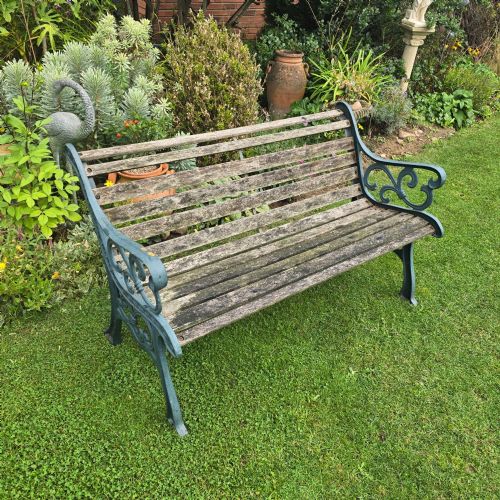
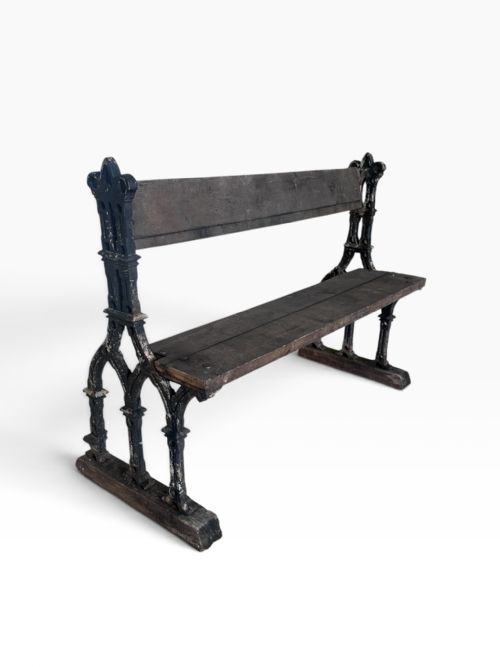
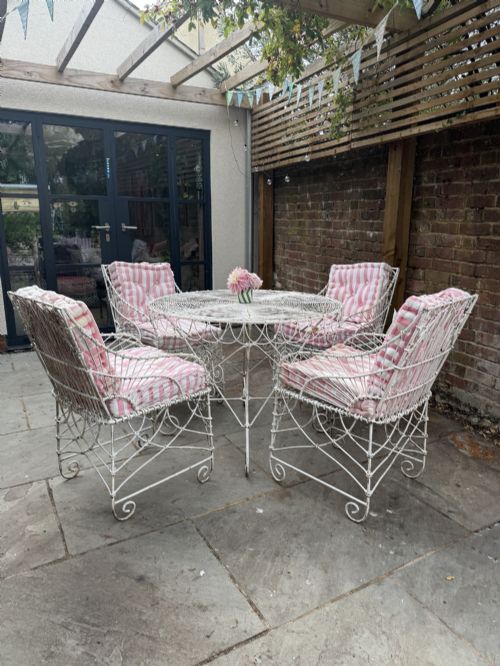
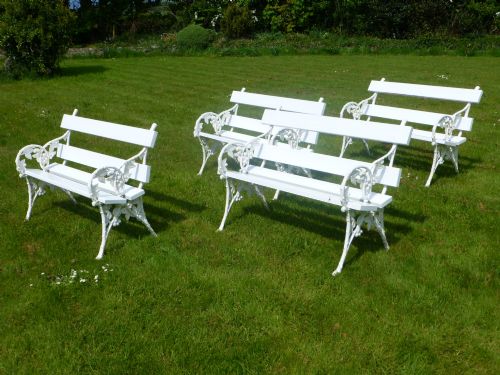
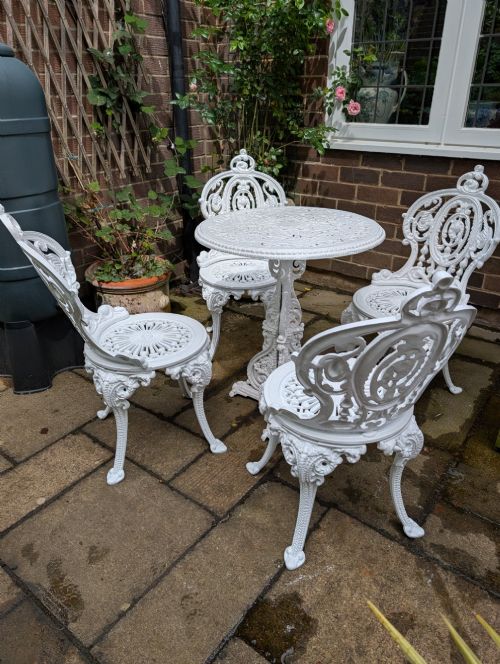
An antique iron seat brings enduring architectural form to a terrace or lawn, uniting heavy metalwork with practical everyday utility.
Antique Iron Seat
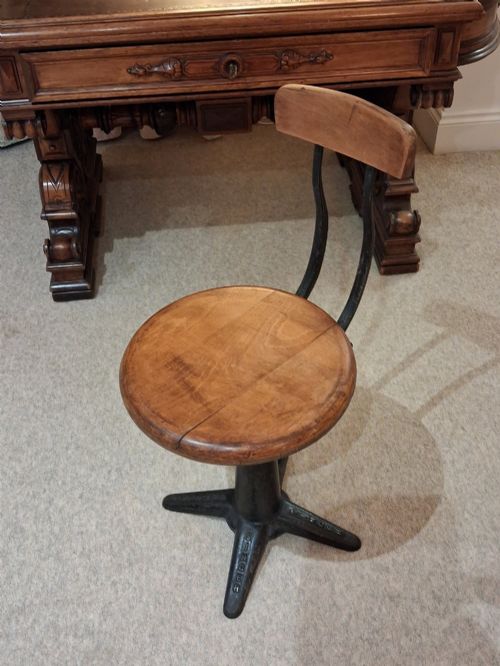
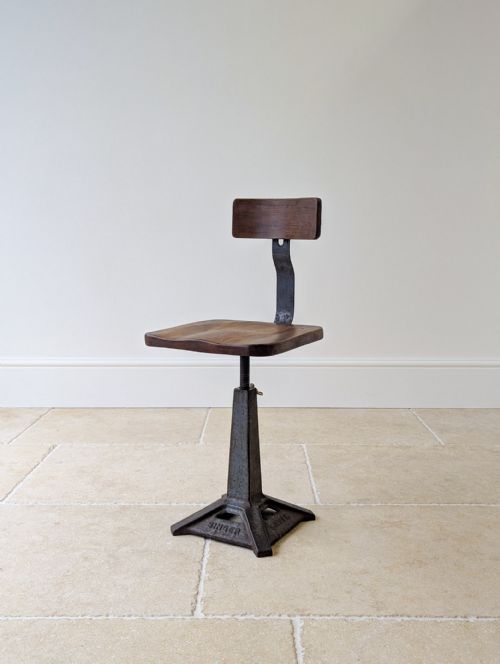
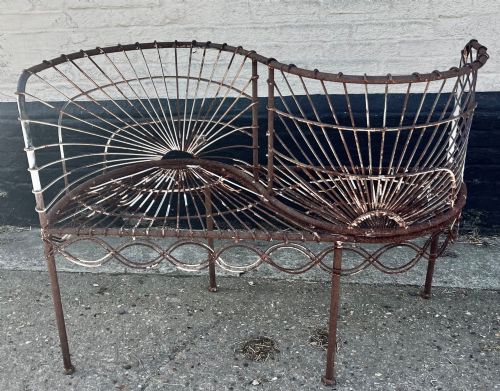
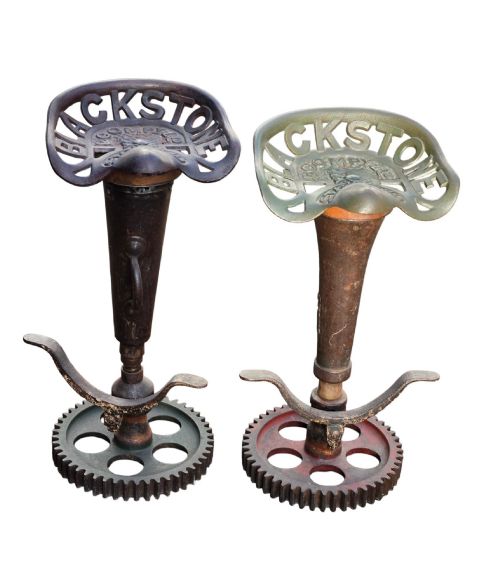
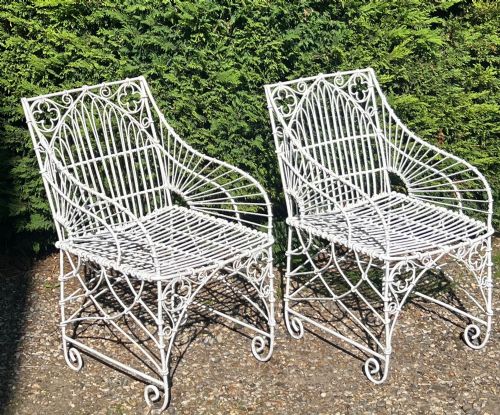
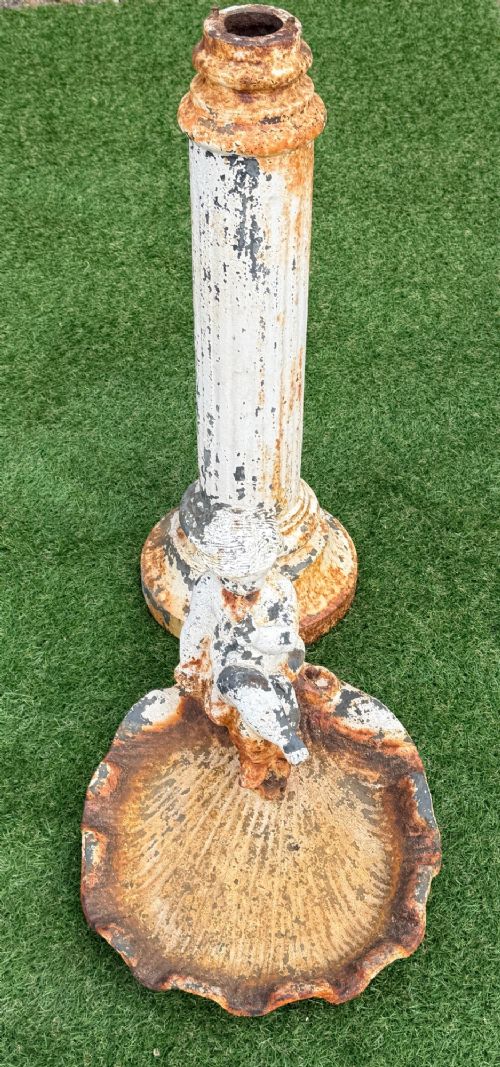
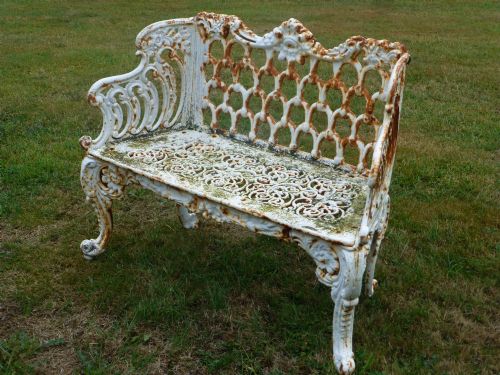
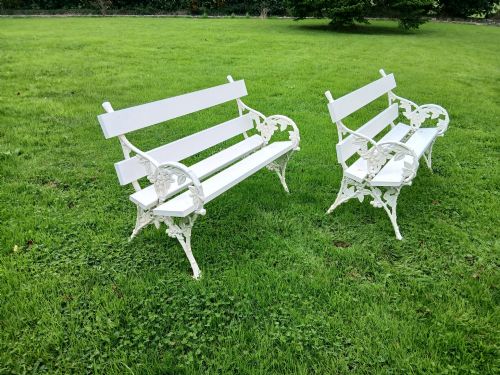
An antique iron seat encompasses a broad variety of outdoor and industrial furniture, ranging from Victorian garden benches and conversational arrangements to machinist chairs and bar stools. Buyers searching for an antique iron seat most frequently encounter nineteenth-century cast-iron garden benches and twentieth-century industrial seating.
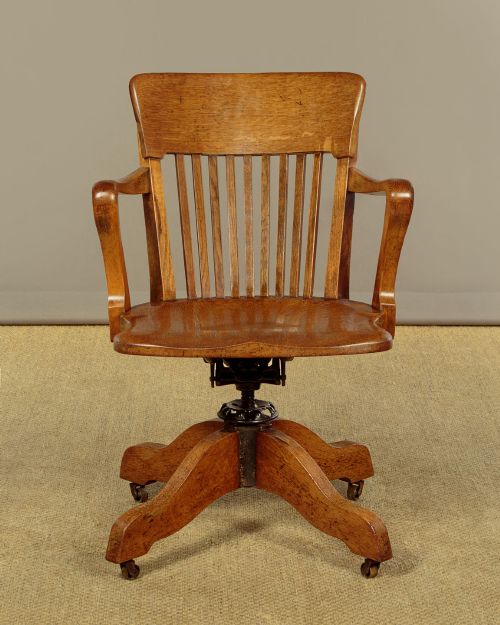
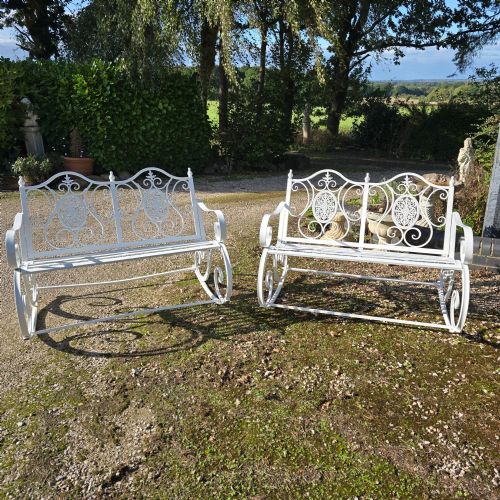
The inventory spans multiple periods, including Regency, Victorian, Edwardian, and the early twentieth century, with styles moving between Gothic revival, French country, and industrial rustic. Forms extend beyond standard benches to include armchairs, rocking benches, daybeds, and revolving stools.
Origins vary from English foundries to French workshops, reflecting diverse regional tastes in outdoor ornamentation and utilitarian workshop furniture. Many pieces integrate timber or wood components alongside the primary metal frames.
Materials and Construction
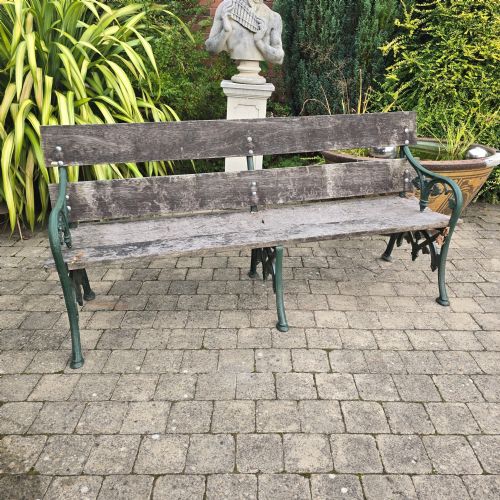
Makers utilised cast iron and wrought iron for the primary structural frames and decorative panels, often combining the metal with timber, elm, or wood for slats and seats. Paint finishes provided both decoration and protection against the elements, whilst steel and leather appeared in specific industrial forms.
Foundries employed intricate sand-casting techniques to produce ornate patterns such as blackberry and leaf motifs, fern designs, strapwork, and gothic tracery. Wrought iron components were shaped by hand, creating flexible strapwork and robust armchairs designed for enduring outdoor use.
Antique Iron Seat Retail Price Guide 2026
Typical asking prices for iron seat among the pieces listed under this phrase on Sellingantiques today, from the lower quarter to the upper quarter. They describe what is for sale here now, not the wider market.
Listings feature cast iron, wrought iron, timber, wood, fabric, steel, and leather across pieces dated from the early nineteenth century through to the 1950s.
Evaluating Quality
The distinction between ordinary and exceptional pieces lies in the crispness of the casting detail and the attribution to renowned foundries. Finer examples display sharply defined foliage, deep relief work, and balanced proportions that mark superior foundry craftsmanship.
Structural integrity and originality of components dictate value, particularly where timber slats meet heavy iron frames. Pieces that retain their original foundry markings or bear distinctive design patents command greater attention from discerning collectors.
Blackstone & Co.·Falkirk Carron Foundry·Carron Foundry·Christopher Dresser·Coalbrookdale
The Antique Iron Seat Glossary
- Cast iron
- A hard, brittle alloy of iron and carbon poured into moulds to create intricate decorative patterns and sturdy structural supports for garden benches.
- Wrought iron
- Tough, malleable iron beaten or bent into shape by hand, frequently utilised for linear strapwork designs on Regency and Victorian seating.
- Faux bois
- A decorative technique mimicking the natural appearance of wood grain, applied to iron frames to resemble rustic timber branches.
- Strapwork
- Flat bands of metal interwoven or arranged in geometric patterns, characteristic of Regency and nineteenth-century garden benches.
- Foundry
- A factory that produces metal castings, often stamping its name or registration details directly onto the ironwork.
Antique Iron Seat: Frequently Asked Questions
How do I date an antique iron seat?
Dating relies on stylistic clues, registration marks, and foundry stamps cast into the metalwork. Regency pieces often feature linear strapwork, whilst Victorian examples frequently display naturalistic leaf and gothic motifs.
Construction methods also provide guidance, as nineteenth-century pieces typically utilise heavier cast components compared to later industrial variants. Comparing decorative details with known foundry catalogues helps narrow the period of manufacture.
Are these seats suitable for outdoor use?
Most antique iron seats were originally designed for gardens, parks, and terraces, making them inherently suited for outdoor placement. Cast and wrought iron withstand the elements remarkably well, though prolonged exposure to moisture can lead to surface oxidation.
Maintaining a protective layer of paint preserves the metal and prevents rust from compromising the structural integrity. Regular inspection ensures that any wooden slats integrated into the design remain weather-resistant.
How do I identify foundry marks?
Foundry marks are usually raised letters or numbers cast directly into the underside of the seat, along the back rail, or on the frame. These inscriptions often name the maker or supply registration diamonds indicating the exact year and month of design protection.
Not all pieces bear maker marks, as many regional foundries produced unmarked utilitarian furniture. Careful cleaning around obscured areas often reveals hidden stamps or registry numbers.
Can I use an industrial iron stool indoors?
Industrial iron stools and machinist chairs translate effortlessly into contemporary domestic interiors, serving as kitchen seating or bar height perches. Their robust metal bases and revolving mechanisms bring authentic workshop character to modern living spaces.
Pairing them with wooden tables or rustic dining sets highlights their utilitarian origins. Protective pads placed beneath the feet prevent scratching on indoor flooring.