



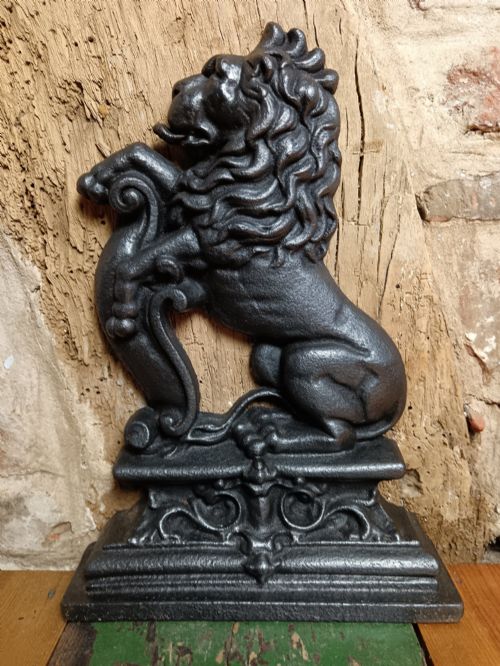

Antique Iron Lion
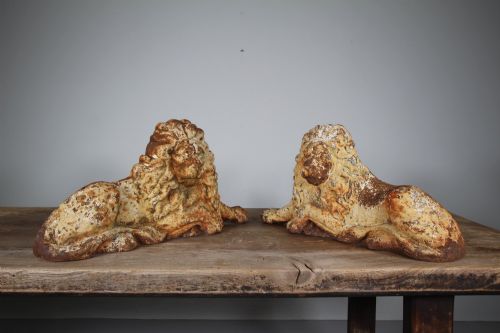
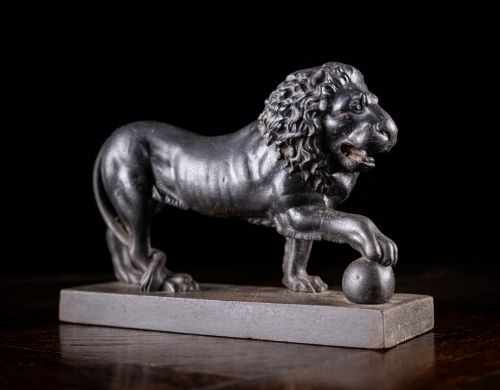
These heavy cast metal beasts bring a commanding presence to hearths and doorways as an antique iron lion.
Antique Iron Lion
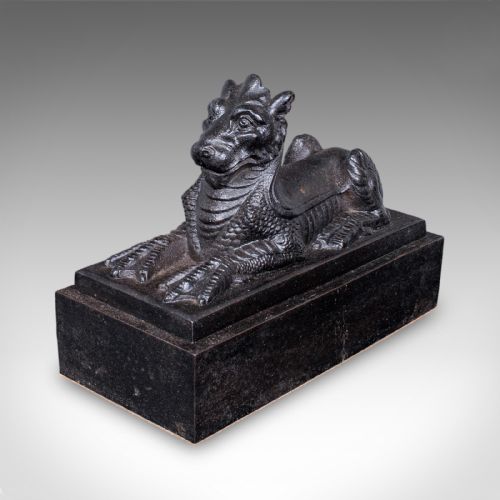
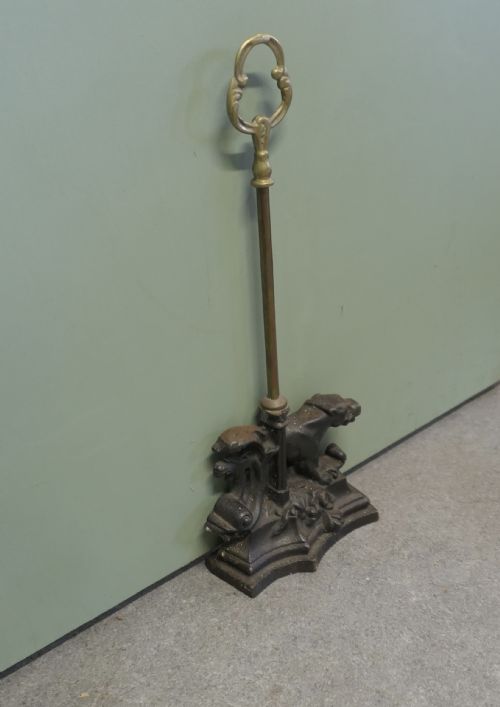
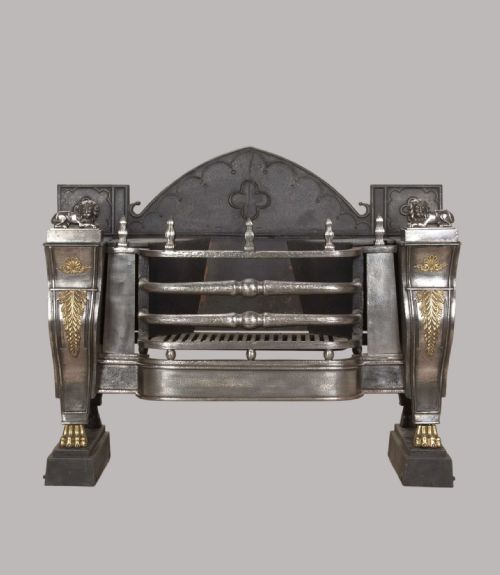
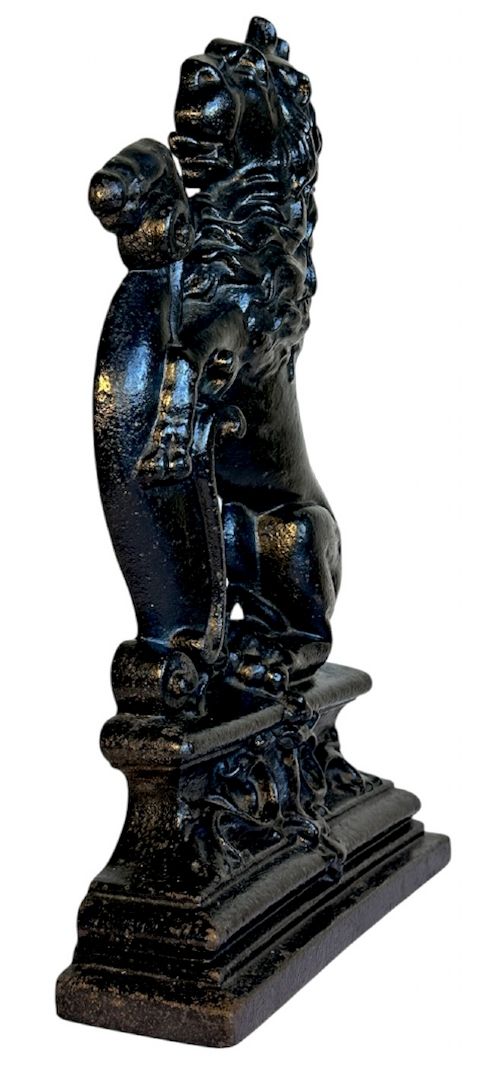
An antique iron lion most commonly takes the form of a heavy doorstop, door porter, or a protective guardian keeping draughts at bay in a hallway. You will also meet these powerful figures cast into fireplace accessories, fire backs, and armorial coats of arms originating from the Victorian period and the nineteenth century.
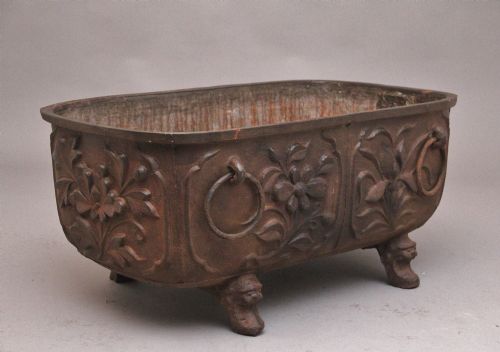
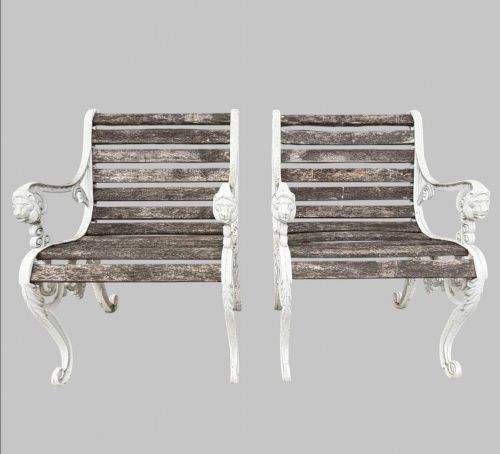
The domestic selection extends to garden furnishings, boot scrapers, and furniture bases cast in sturdy metal, reflecting a Victorian appetite for heraldic and classical imagery. While the pieces vary from domestic doorstops to monumental royal crests, the cast iron lion remains a steadfast staple of nineteenth-century British and European metalwork.
How they were made
Foundry workers poured molten metal into sand moulds to create these robust figures, utilising cast iron for its ability to hold sharp relief details in manes, claws, and heraldic shields. Wrought iron and steel elements often provide structural support in companion fire grates and tables, while applied paint and gold leaf historically finished the surfaces.
The casting process allowed workshops to produce identical sculptural forms in volume, yet each piece retained the distinct texture of the sand mould. Secondary tooling and assembly joined cast components to heavy base plates, ensuring the stability required for utilitarian objects like doorstops and fire dogs.
Antique Iron Lion Retail Price Guide 2026
Typical asking prices for iron lion among the pieces listed under this phrase on Sellingantiques today, from the lower quarter to the upper quarter. They describe what is for sale here now, not the wider market.
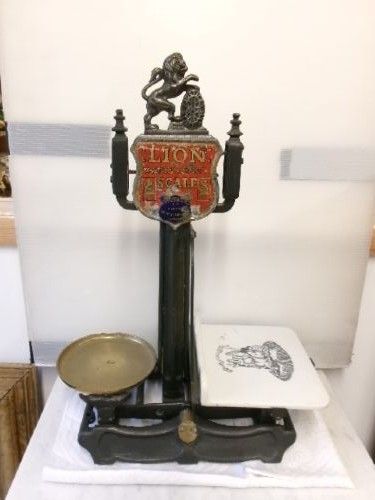
The listings span from Georgian and Victorian periods into the interwar years, featuring materials such as cast iron, brass, porcelain, and gold leaf.
What varies in quality
The weight and proportion of the casting also dictate distinction, as heavier, denser iron provides the substantial heft expected of architectural doorstops and fire furniture. Finer examples display careful finishing at the seams and edges, avoiding the heavy pitting and soft details found in lesser production runs.
Herbert & Sons London·Unno Shomin
The Antique Iron Lion Glossary
- Doorstop
- A heavy utilitarian object designed to hold doors open, frequently modelled as a cast iron lion or guard figure. These portable weights combine domestic utility with sculptural presence.
- Fire Back
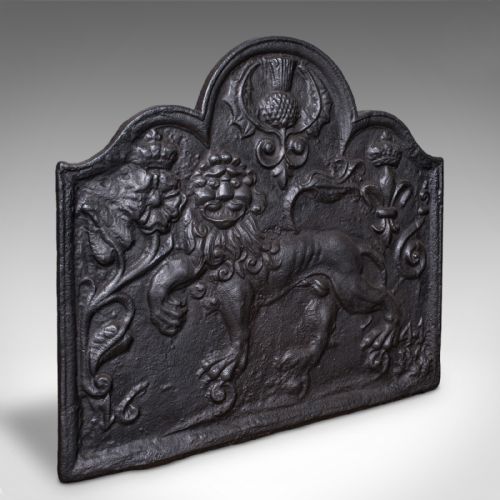
- A heavy iron plate placed at the back of a hearth to protect the wall and reflect heat into the room. They frequently display heraldic lions, royal coats of arms, or mythological scenes.
- Cast Iron
- An iron-carbon alloy poured into moulds while molten to form complex shapes. It forms the primary structural and decorative material for nineteenth-century doorstops and fire furniture.
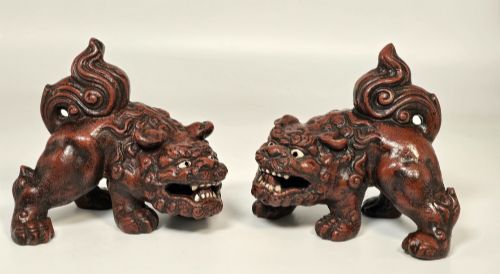
- Shishi
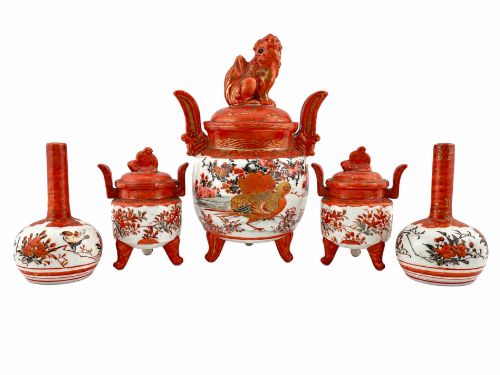
- A traditional East Asian guardian lion or foo dog originating in Buddhist art. These mythical beasts appear on Japanese porcelain garnitures and decorative metalwork.
- Andirons
- Horizontal metal bars supported by legs, also known as firedogs, used to raise logs off the hearth floor. Pairs often incorporate cast iron or brass lion masks at the front.
Antique Iron Lion: Frequently Asked Questions
How do I identify a Victorian iron lion doorstop?
Victorian doorstops display dense cast iron construction with deep relief modelling and a substantial, heavy base designed for practical daily use. Look for authentic surface wear and older paint layers beneath modern touch-ups.
Inspect the underside and edges for casting seams characteristic of nineteenth-century foundry methods rather than modern reproduction techniques.
Where were iron lions placed in a home?
These pieces served primarily as functional items in hallways to prop heavy timber doors open against draughts, or stood by the hearth as fire stops. Larger versions acted as garden ornaments or architectural crests above doorways.
Their robust metal construction suited high-traffic areas where durability mattered as much as decorative display.
How do I clean an antique iron lion?
Remove surface dust with a dry brush and apply a light coat of neutral paste wax to protect the metal from moisture and rust. Avoid harsh chemical cleaners or abrasive scouring pads that strip original paint.
Keep the pieces in dry interior environments to prevent oxidation and preserve the historical surface finish.
Are cast iron and wrought iron lions different?
Cast iron was poured into moulds to create solid, highly detailed sculptural forms like doorstops and fire backs with complex manes and facial expressions. Wrought iron was heated and beaten by hand into structural shapes like fire grates and framework.
Many nineteenth-century items combine both materials, using cast elements for the decorative lion figure and wrought components for the functional mount.