
Antique Iron Lighting
These antique iron lighting pieces bring solid presence and industrial history into a room through centuries of forged metalwork.
Antique Iron Lighting
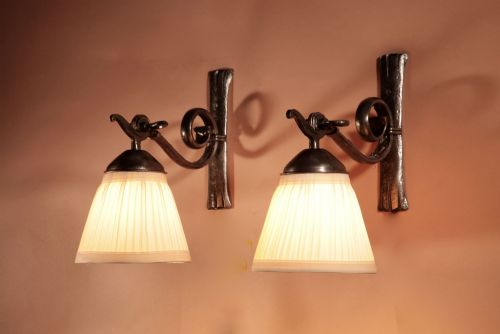
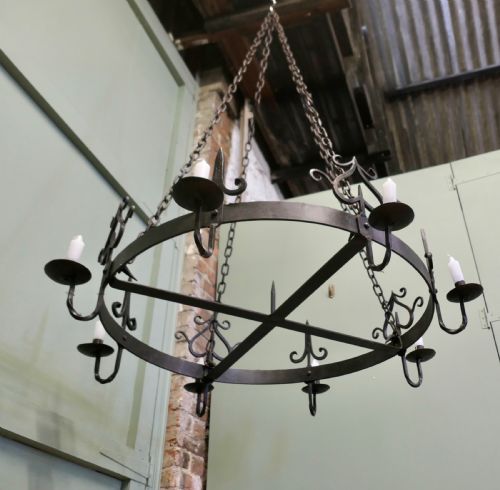
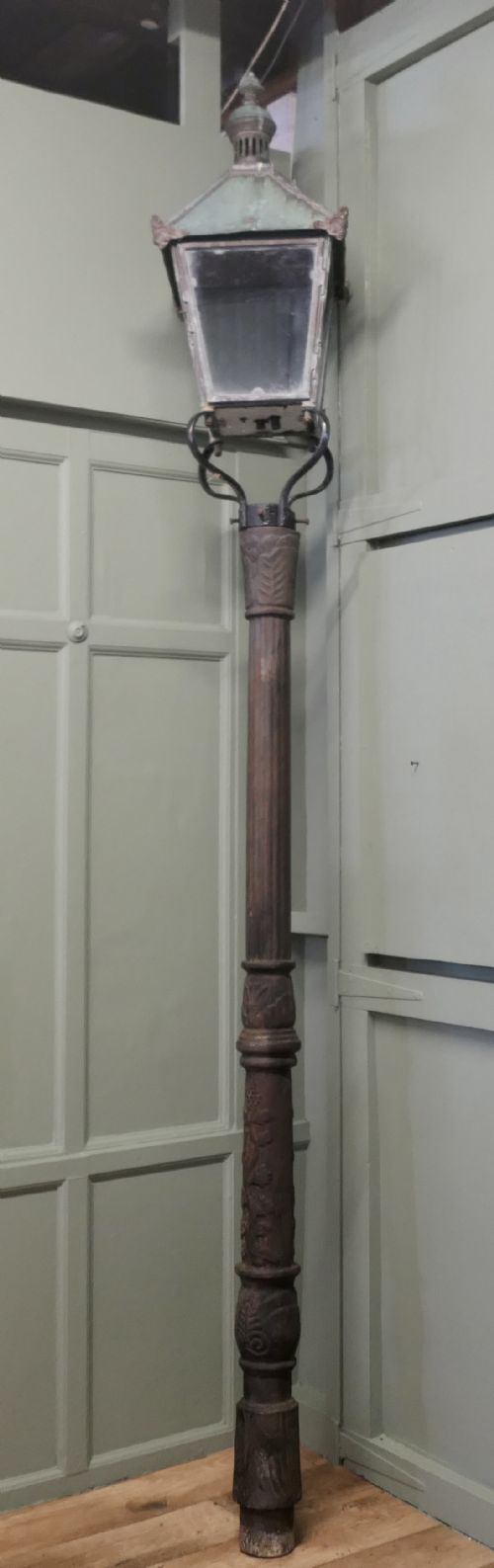
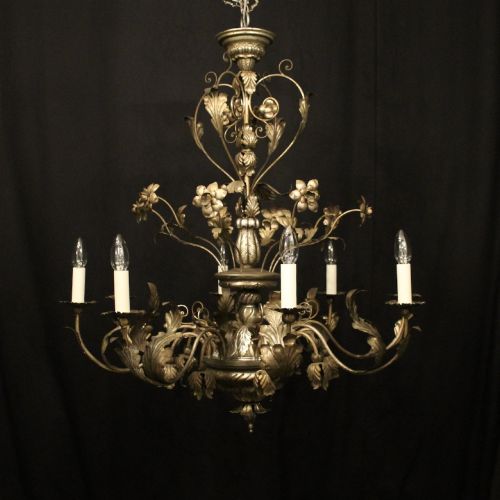
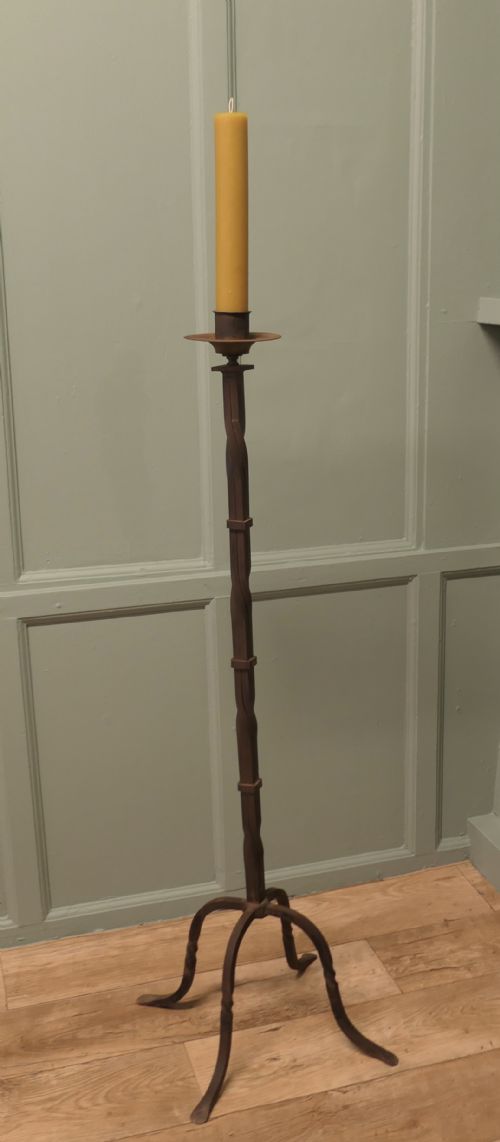
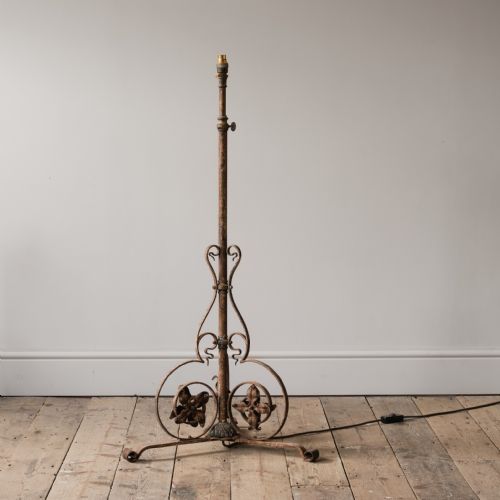
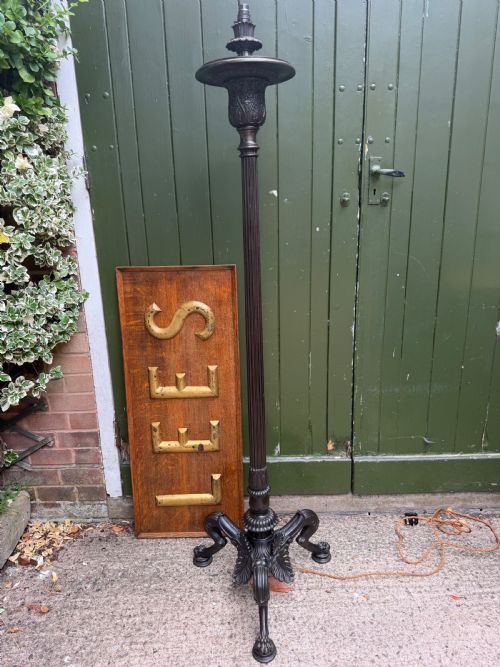
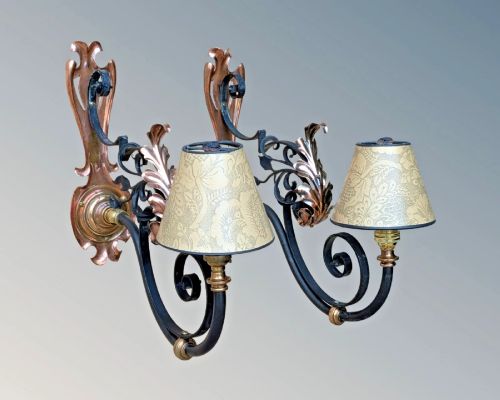
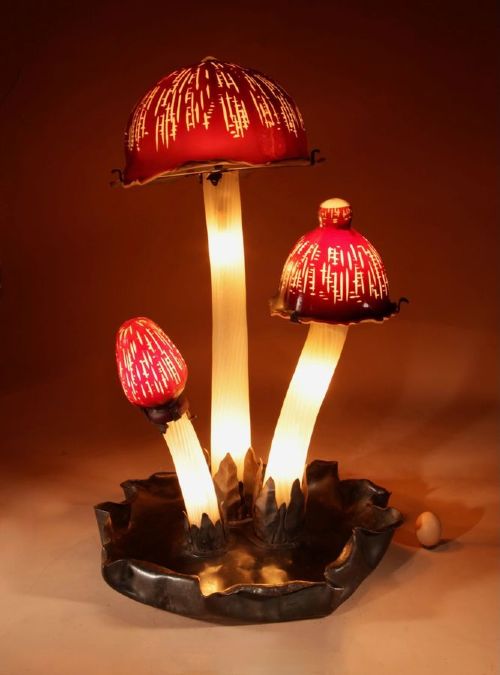
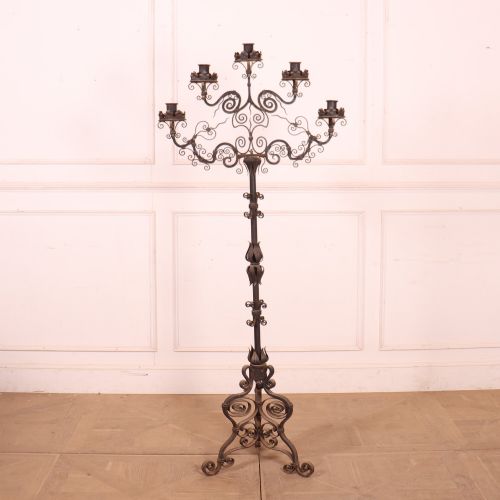
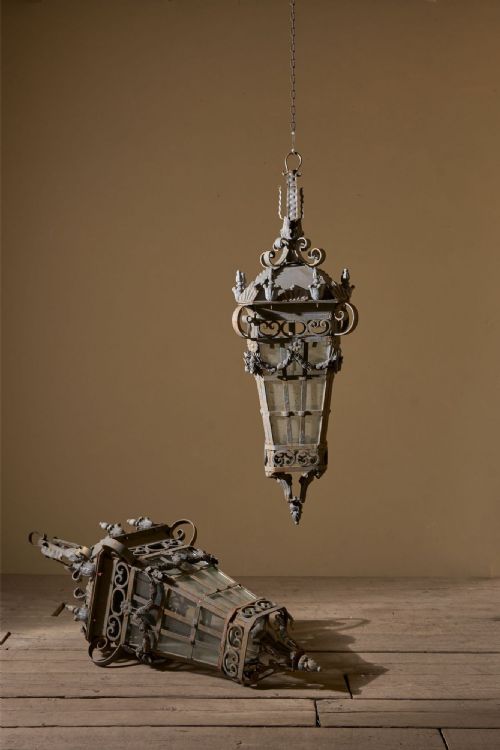
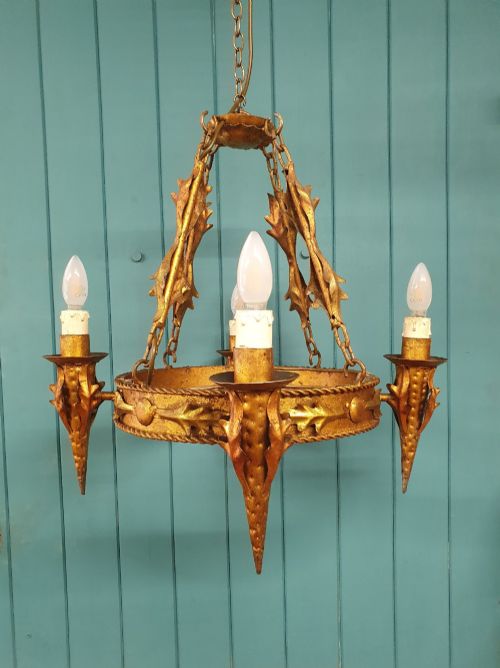
When you search for antique iron lighting, you encounter utility items transformed over generations, ranging from simple 18th-century rushlights to substantial Victorian and early 20th-century lanterns. The selection spans utilitarian street lanterns, floor-standing candelabras, and intricate wrought iron chandeliers.
You are most likely to meet pieces forged or cast in Britain and continental Europe during the 19th and early 20th centuries, alongside earlier domestic examples mounted on timber bases. These objects bridge the gap between functional illumination and heavy architectural decoration.
Materials and Techniques
The construction relies heavily on wrought iron and cast iron, often paired with brass, copper, and blown or pressed glass panels. Blacksmiths shaped the wrought iron by hand while it was heated, leaving hammer marks that reveal the labour behind each bracket and stand.
Cast iron components provided intricate detail for ceiling roses and heavy standard lamps through moulds, while sheet iron formed functional items like rushnips and coach lamps. Surface treatments include patination, paint, and sometimes gilt or polychrome finishes.
Listings feature items spanning the 17th century through to the 1930s, utilising wrought iron, cast iron, glass, and brass.
Evaluating Quality
Quality rests in the integrity of the blacksmith's handwork and the retention of original components rather than modern replacements. Pieces that retain their original mountings, glass panels, and surface patination stand apart from heavily restored or altered examples.
The refinement of the silhouette distinguishes finer examples, such as architectural floor candelabras or balanced Art Deco frames, from simpler utilitarian items. The interaction between the heavy metal and secondary materials like crystal or coloured glass indicates the maker's ambition.
REVO Leicester·Bleriot
The Antique Iron Lighting Glossary
- Rushlight
- A simple holder designed to grip a dried rush dipped in animal fat for illumination. These domestic iron objects date predominantly to the 18th century.
- Pricket
- A sharp metal spike on a candlestick or chandelier that holds a candle in place rather than a socket. They appear frequently on ecclesiastical and Gothic revival pieces.
- Hogscraper
- A type of sheet iron candlestick featuring a push-up ejector mechanism inside the shaft. The name derives from its supposed resemblance to a butcher's tool.
- Rushnip
- A combined tool that held both a rushlight and provided a socket for a tallow candle. This dual function served rural households before widespread paraffin and gas lighting.
- Ceiling Rose
- An ornamental disc fixed to the ceiling from which a chandelier or pendant light hangs. Victorian examples in iron often display foliage designs like ivy.
Antique Iron Lighting: Frequently Asked Questions
How do I mount a heavy iron chandelier safely?
Heavy chandeliers and lanterns require secure anchoring into ceiling joists rather than plaster alone due to the dense nature of cast and wrought iron.
Consult a qualified electrician to assess the weight distribution and ensure the electrical wiring matches modern standards.
Can I convert an old oil or gas lantern for electricity?
Many lanterns and standard lamps have already undergone conversion from gas, oil, or candles to electricity over their long operational lives.
Further rewiring is straightforward for a professional, provided the historic metal housing remains unaltered and structurally sound.
How do I care for antique iron surfaces?
Keep the metal clean by dusting regularly with a dry cloth to prevent moisture accumulation.
Avoid harsh chemical cleaners that strip the historic patination, applying a microcrystalline wax sparingly if protection against humidity is necessary.
How do I distinguish 18th-century ironwork from later Victorian pieces?
Early 18th-century pieces like rushlights display hand-forged characteristics tied to domestic utility, often mounted on simple hewn timber bases.
Victorian and later items frequently incorporate cast iron machinery, more complex adjustable mechanisms, and distinct stylistic revivals like Gothic or Art Deco.