
Antique Iron Light
These antique iron light pieces combine heavy metalwork with functional illumination, offering a robust aesthetic grounded in centuries of metalworking traditions.
Antique Iron Light
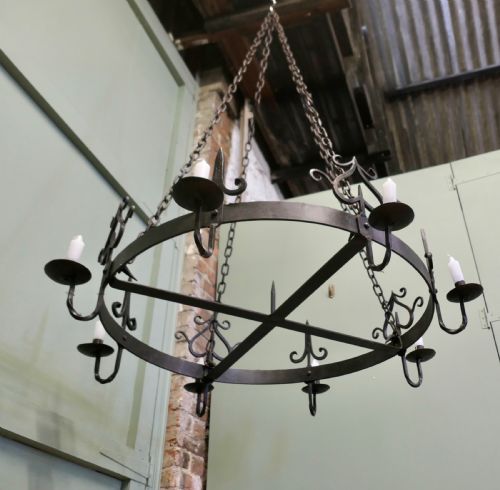
When you search for an antique iron light, you encounter a diverse array of utilitarian and decorative objects spanning multiple centuries, from early rushlight holders to grand chandeliers. The selection includes items originating from various periods such as the eighteenth century, the Victorian era, and the nineteen-thirties.
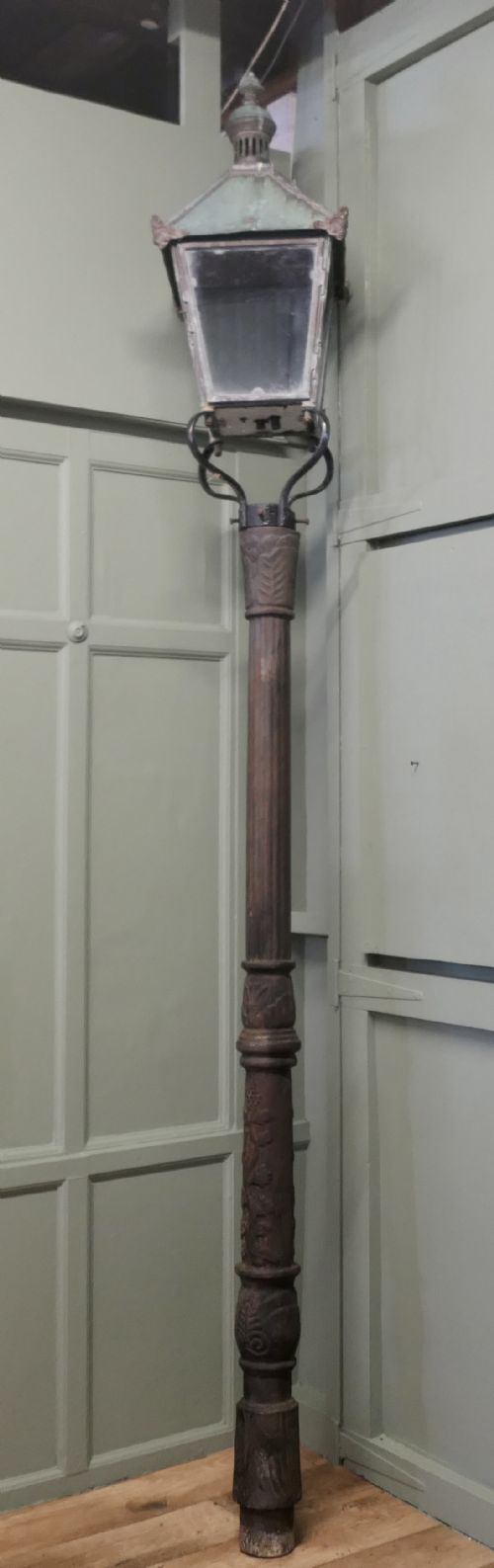
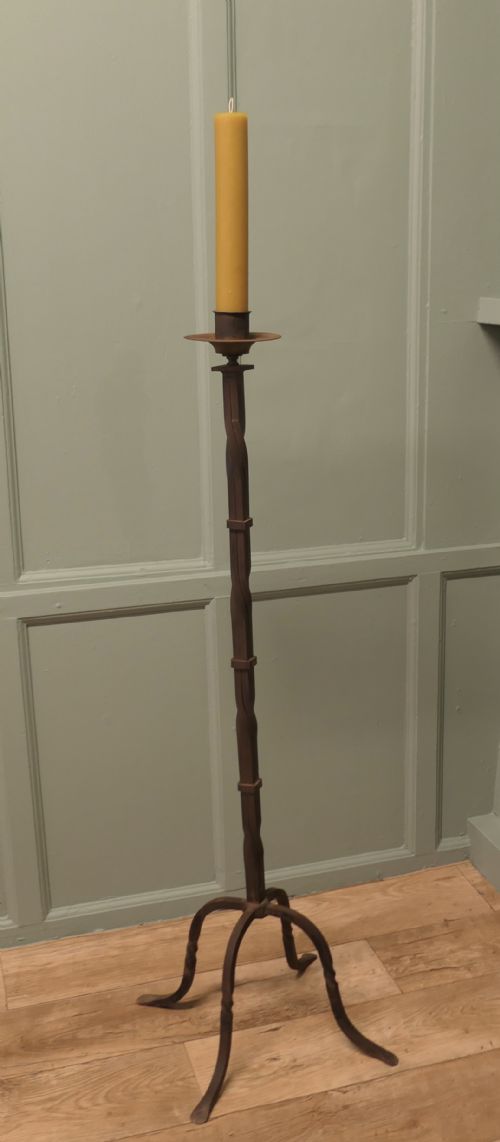
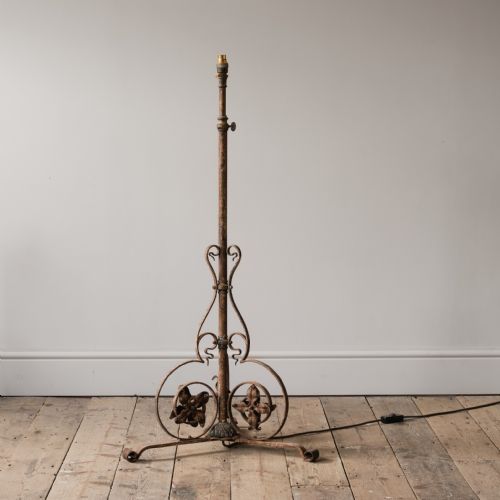
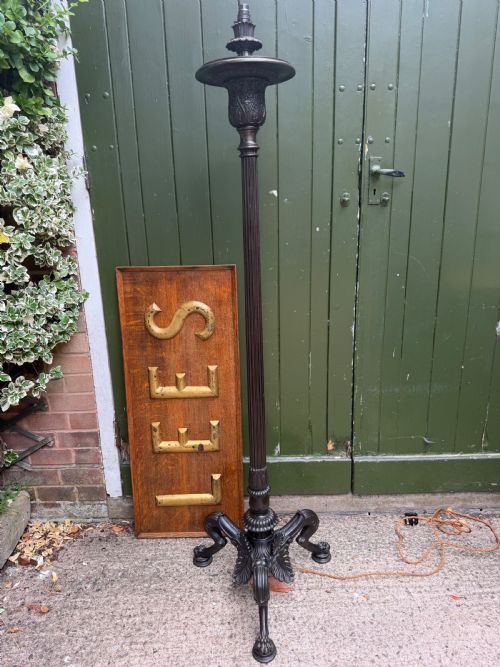
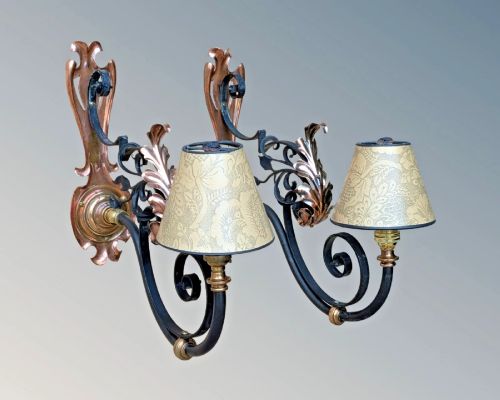
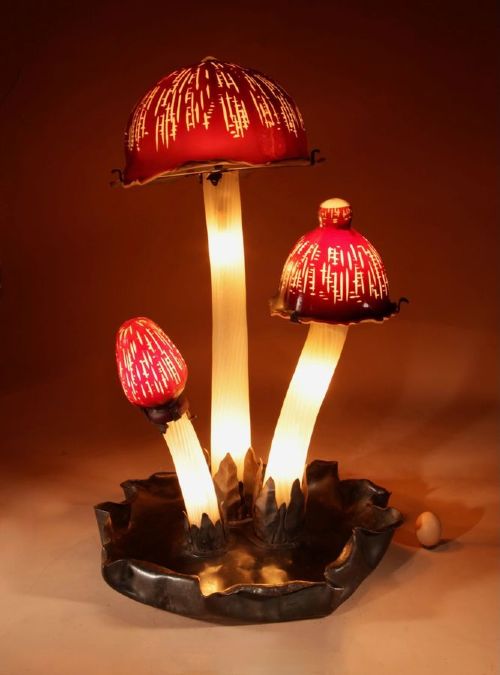
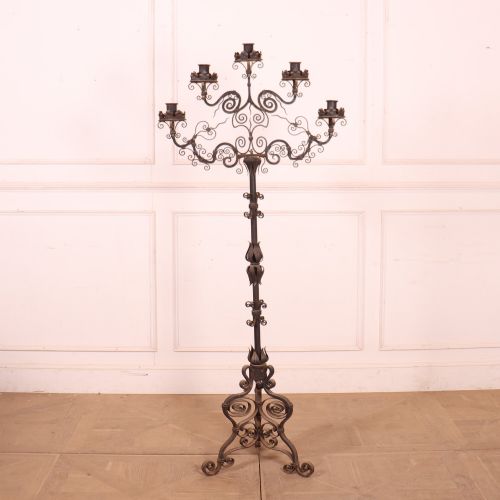
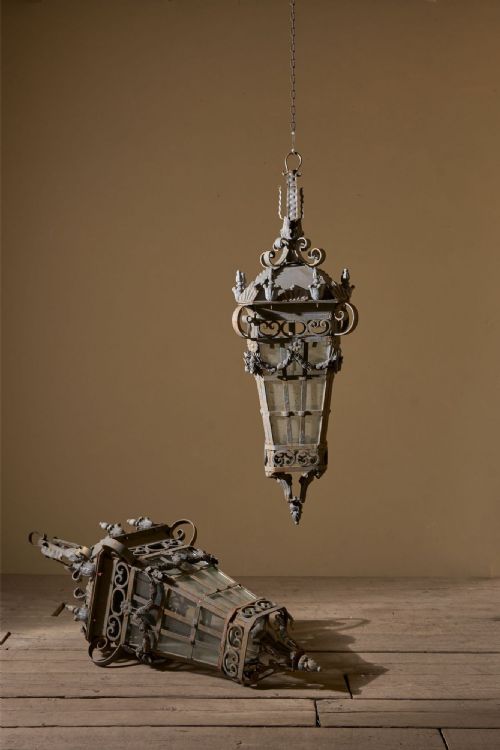
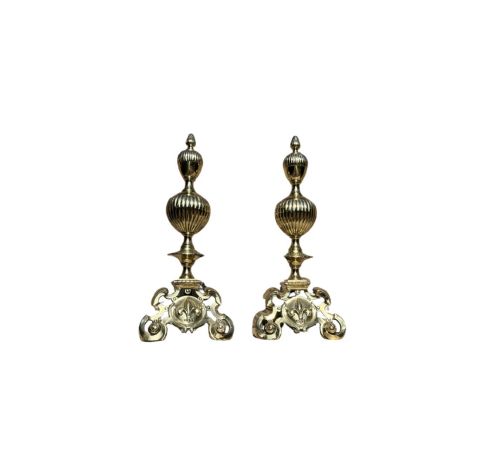
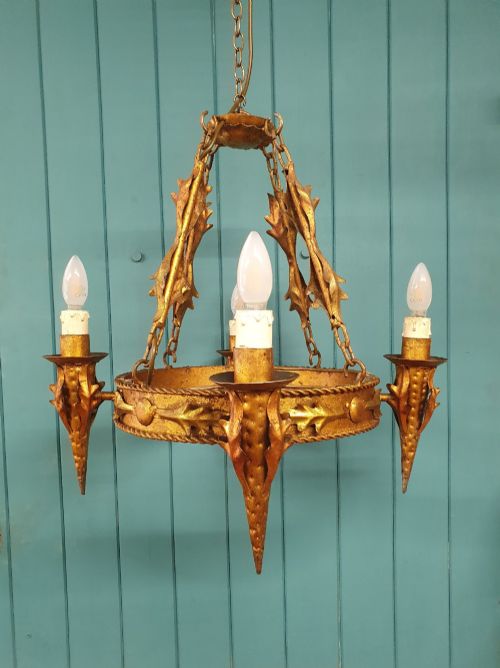
The forms on this page range from floor-standing candelabras and standard lamps to wall lights, ceiling lanterns, and table lamps. Wrought iron and cast iron form the structural core of these pieces, frequently paired with glass, brass, and fabric elements.
How they were made
Blacksmiths shaped wrought iron by hand, utilising heat and hammering techniques to create adjustable floor lamps, rushnip holders, and sturdy candle stands. Cast iron components, such as ceiling roses and structural bases, were produced by pouring molten metal into moulds to achieve decorative patterns including ivy leaves and classical Grecian designs.
Makers integrated glass shades, brass fittings, and gilded accents into the iron frameworks, adapting older pieces originally lit by candles or gas for later electrical use.
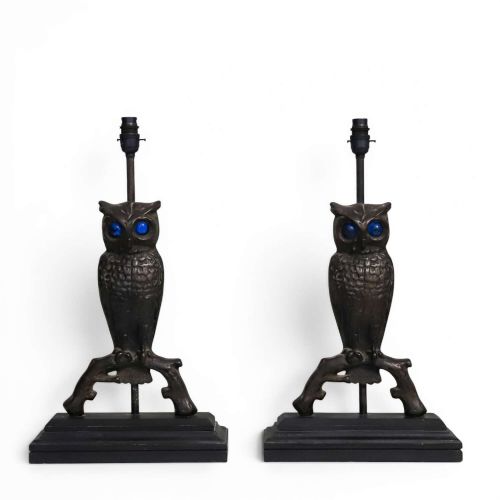
Owl lamps converted from fireplace andirons bring a touch of avian surveillance to evening illumination.
What varies in quality
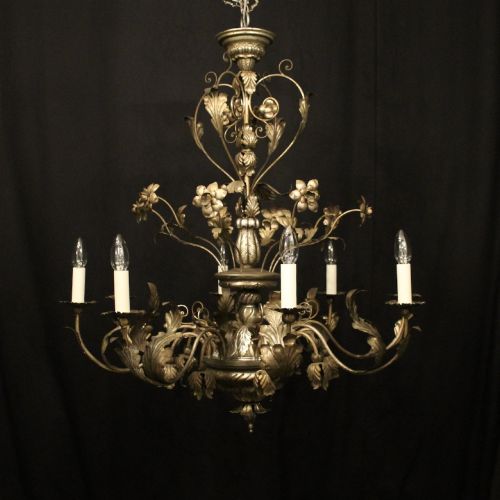
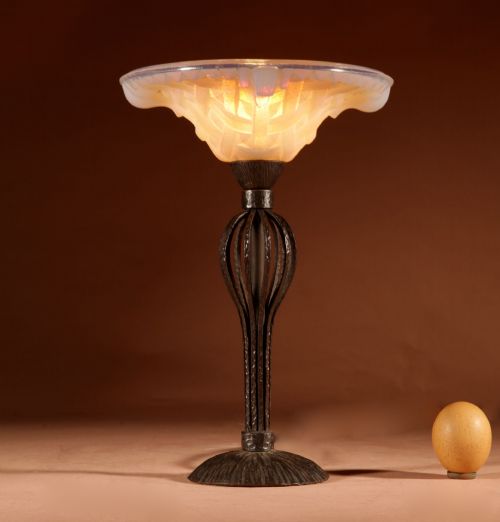
The standard of craftsmanship relies heavily on the execution of the metalwork, distinguishing hand-forged blacksmith pieces from standard production items. Finer examples display meticulous detailing in the scrollwork, patination, and the integration of secondary materials like opalescent glass or crystal drops.
Proportion and architectural presence dictate the visual impact of larger pieces like chandeliers and hall lanterns, where balance and weight distribution determine the success of the design.
REVO·Heals·Lacroix·Lalique·Bleriot
The Antique Iron Light Glossary
- Wrought iron
- Tough, malleable iron that can be heated and hammered into shape by a blacksmith. This material yields visible hammer marks and fibrous textures on older lighting fixtures.
- Rushlight holder
- A spring-action or weighted iron device designed to grip a dried rush dipped in animal fat for illumination. These domestic implements represent early forms of portable lighting.
- Cast iron
- Iron melted and poured into a mould to take a specific shape. It appears frequently in heavier bases, lampposts, and decorative ceiling roses.
- Toleware
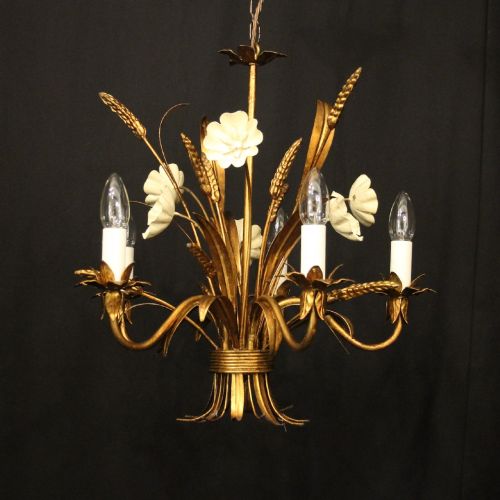
- Painted or lacquered tinplate used for decorative elements on chandeliers and wall lights. It provides colourful polychrome surfaces on French and continental fixtures.
- Candelabra
- A branched candlestick holder designed to support multiple candles. Larger versions often feature elaborate iron or gilt metal arms hung with crystals.
Antique Iron Light: Frequently Asked Questions
How do I date an iron light?
Dating relies on examining the manufacturing techniques, such as hand-forged hammer marks versus machine casting, alongside stylistic indicators like Gothic Revival or Art Deco motifs.
Hardware details, assembly methods, and original surface treatments also provide clues to the era of production.
Were these lights originally electrified?
Many older pieces began their existence utilising candles, oil, or gas before undergoing conversion for modern electrical wiring during later decades.
Fixtures such as garden lanterns and carriage lamps frequently show physical alterations from their initial fuel sources.
How do I clean wrought iron safely?
Dusting with a dry, soft cloth removes surface debris without harming the aged patina of the metal. Avoid harsh chemical cleaners that can strip protective wax or historical finishes from the ironwork.
What is a rushlight?
A rushlight is a simple form of lighting made by peeling the pith of a rush plant and soaking it in grease or animal fat. The resulting taper burned for a short duration while held securely in an iron nip.