


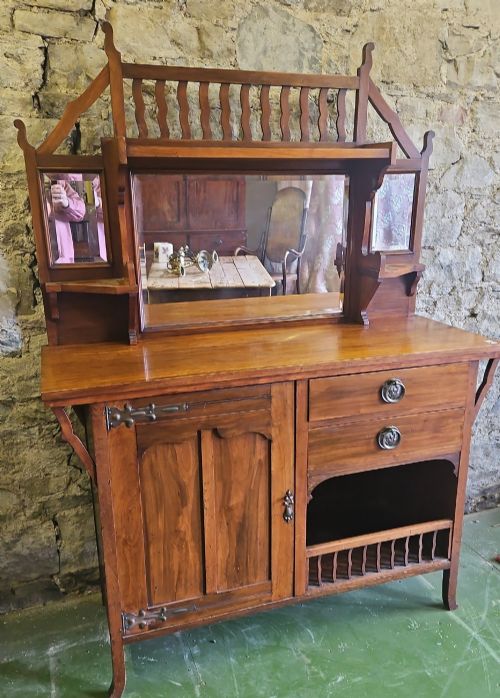


Antique Iron Hinges
Antique iron hinges secure heavy doors across centuries of domestic and institutional architecture, offering both rugged durability and period character for restoration projects.
Antique Iron Hinges
When buyers search for antique iron hinges, they are looking for functional hardware salvaged from historic properties, furniture, and architectural joinery. These components range from simple utilitarian straps to decorative fixtures designed to support heavy oak doors and cabinet panels.
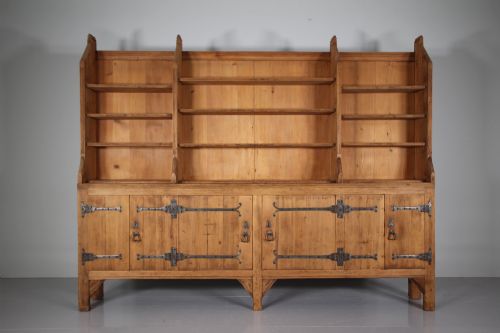
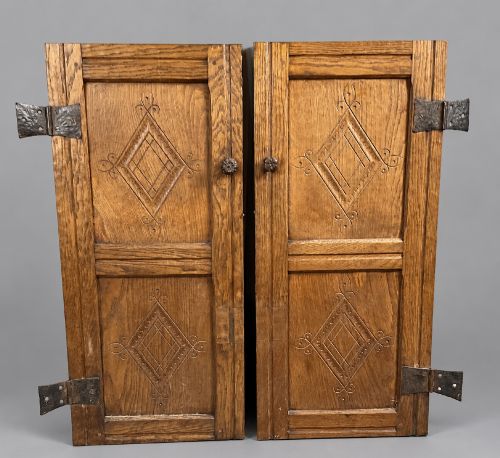
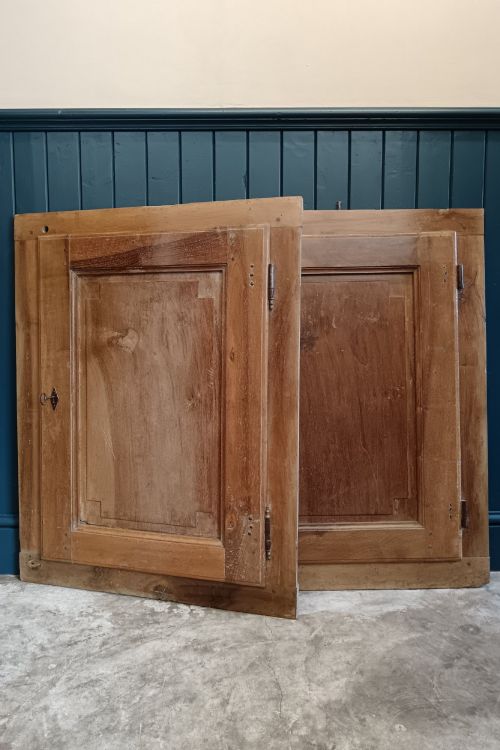
The pieces available across these listings appear primarily as integrated hardware on architectural salvage, including chapel doors, cupboard doors, and larger storage furniture. Iron elements emerge most visibly in combination with heavy timber forms like pine, oak, and walnut.
Originating from periods spanning the eighteenth century through to the early twentieth century, these items carry the distinct functional aesthetic of their respective eras. European folk art, Gothic revival, and arts and crafts styles heavily influence the design of the ironwork attached to these wooden structures.
Materials and construction
The construction of these pieces relies heavily on wrought iron and standard iron, shaped by hand or early industrial methods to withstand continuous mechanical stress. Blacksmiths hammered the metal while hot to achieve durable straps, pivots, and plates capable of bearing the weight of massive timber panels.
Hardware is typically fastened to robust woods such as oak, pine, and walnut using traditional joinery and hand-forged nails or screws. The integration of ironwork with timber creates a utilitarian structure designed for longevity in domestic, ecclesiastical, and provincial settings.
Antique Iron Hinges Retail Price Guide 2026
Typical asking prices for iron hinges among the pieces listed under this phrase on Sellingantiques today, from the lower quarter to the upper quarter. They describe what is for sale here now, not the wider market.
Listings feature ironwork combined with pine, oak, and walnut across eighteenth and nineteenth-century furniture and doors.
Assessing quality in ironwork
Quality in these items is determined by the purity of the metalwork, the skill of the blacksmith, and the preservation of the original surface texture. Hand-forged examples displaying distinctive hammer marks and clean proportions represent superior craftsmanship compared to later, mass-produced industrial alternatives.
The relationship between the hardware and the timber substrate also dictates overall integrity. Well-preserved pieces maintain their original fixing points and operational alignment, showing minimal replacement of screws, straps, or the surrounding wood.
Liberty and Co.
The Antique Iron Hinges Glossary
- Wrought iron
- A tough, malleable form of iron containing slag inclusions, traditionally worked by hand on an anvil. This material resists corrosion better than modern steel and develops a deep patina over centuries of exposure.
- Architectural salvage
- Building materials and hardware recovered from structures slated for demolition or renovation. This practice preserves historic components for reuse in period restorations.
- Gothic revival
- An architectural and decorative style drawing inspiration from medieval forms, prevalent during the nineteenth century. It frequently incorporates pointed arches, heavy iron straps, and dark woods.
- Arts and crafts
- A design movement emphasising handcraftsmanship, simple forms, and traditional materials. Pieces from this period often highlight visible construction methods and functional hardware.
- Strap hinge
- A long, flat metal hinge attached to the surface of a door and frame. It provides substantial structural support for heavy timber doors.
Antique Iron Hinges: Frequently Asked Questions
What periods do these hinges come from?
The listings feature items originating from the eighteenth, nineteenth, and early twentieth centuries. Specific pieces trace their origins to the Georgian, Victorian, and Edwardian eras.
Craftsmanship reflects the technological capabilities and stylistic preferences of these distinct historical periods, ranging from provincial blacksmithing to early industrial production.
How were antique iron hinges used?
These hinges served a purely mechanical purpose, supporting heavy doors on cupboards, dressers, bookcases, and large architectural entrances. Their robust construction was essential for weight-bearing applications in domestic and institutional buildings.
Over time, decorative elements were integrated into the functional design, particularly during stylistic revivals like the Gothic and Arts and Crafts movements.
How do I care for antique iron hardware?
Maintenance involves keeping the metal clean and dry to prevent active corrosion while preserving the historical patina. Gentle dusting and occasional application of specialised museum wax help protect the surface.
Avoid using harsh chemical cleaners or abrasive scouring pads, as these will strip away centuries of accumulated oxidation and damage the underlying metal.
Can antique hinges be installed on new doors?
Many salvaged iron hinges remain entirely functional and can be fitted to new or restored timber doors. Careful measurement of weight capacity and pivot alignment ensures the hardware operates smoothly.
Professional installation is often recommended to support the substantial weight of historic ironwork without damaging modern door frames.