
Antique Iron Grate
An antique iron grate brings structural presence and period warmth to a hearth, spanning robust Victorian designs and refined Georgian styles.
Antique Iron Grate
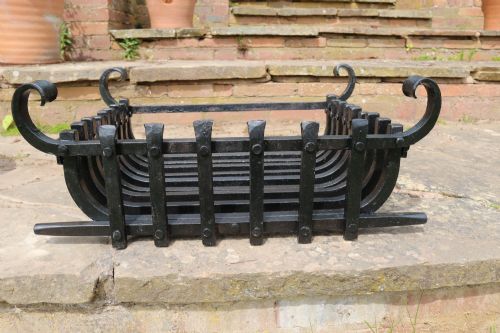
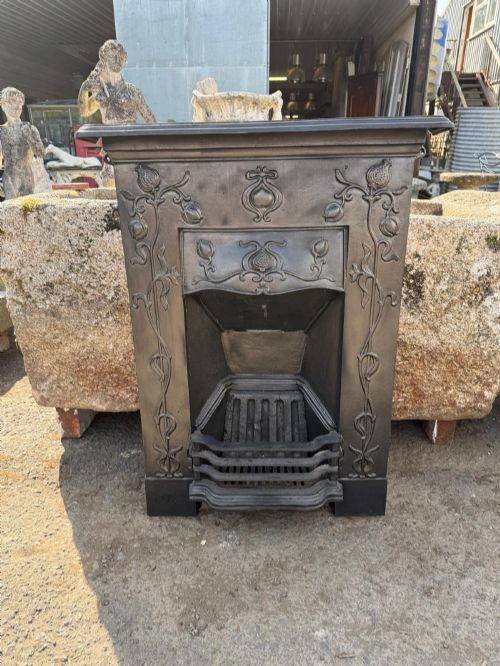
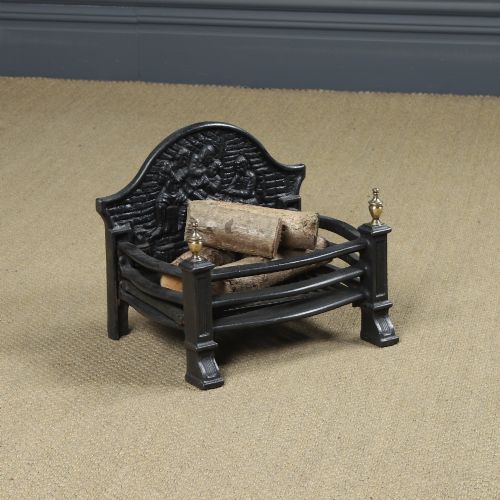
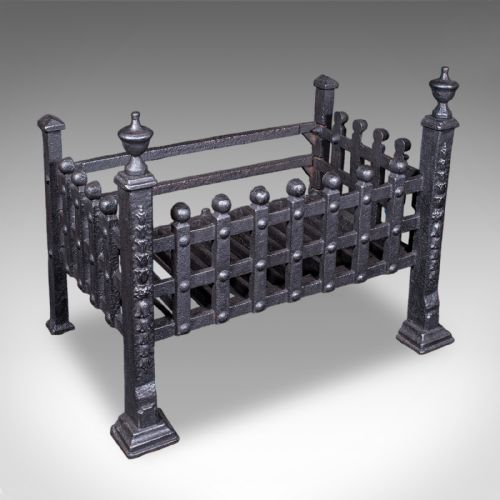
When searching for an antique iron grate, a buyer encounters heavy hearth furniture designed to hold solid fuel safely within a fireplace opening. The listings show forms ranging from freestanding fire baskets and hob grates to register grates and combination fireplaces.
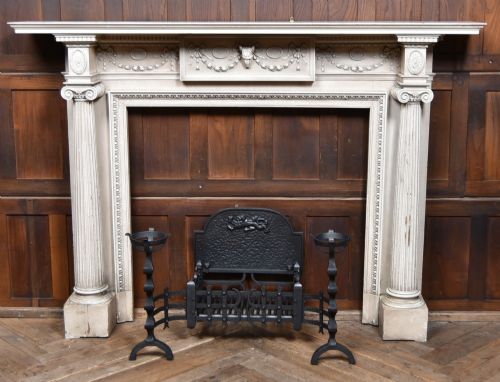
The pieces appearing most frequently belong to the Victorian and 19th Century periods, alongside Georgian examples and later revivals from the 1920s and 1930s. These vary from small cast iron baskets for modest hearths to large country house sets complete with andirons and fire backs.
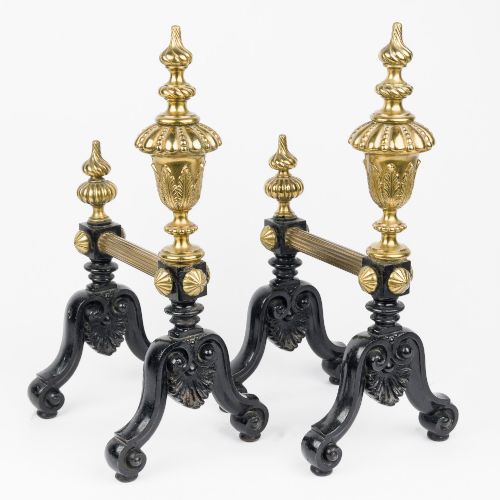
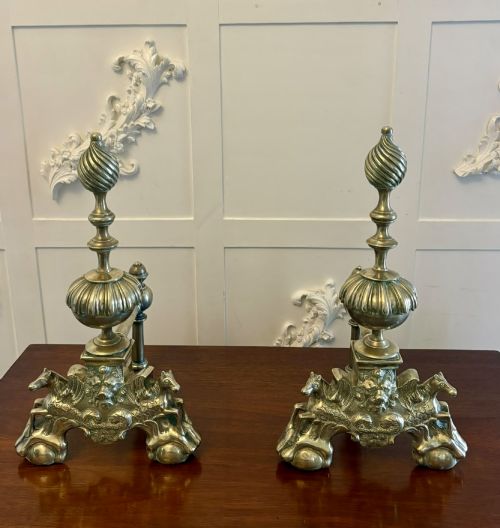
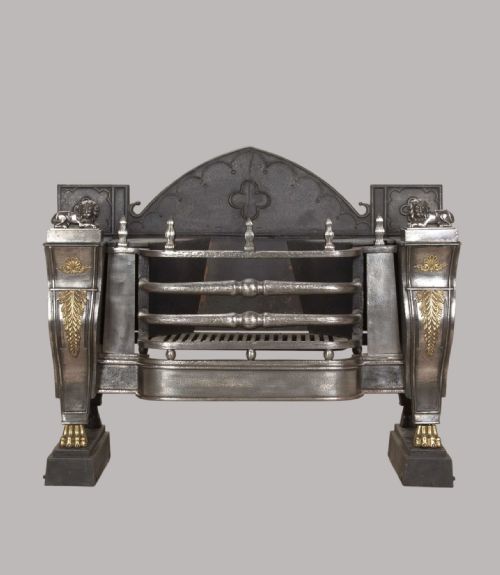
Originating predominantly from English workshops, these items incorporate functional accessories such as brass fire dogs, fenders, and steel footmen. The stylistic vocabulary spans Adam style, Gothic Revival, Neoclassical, and Arts & Crafts designs.
Materials and construction methods
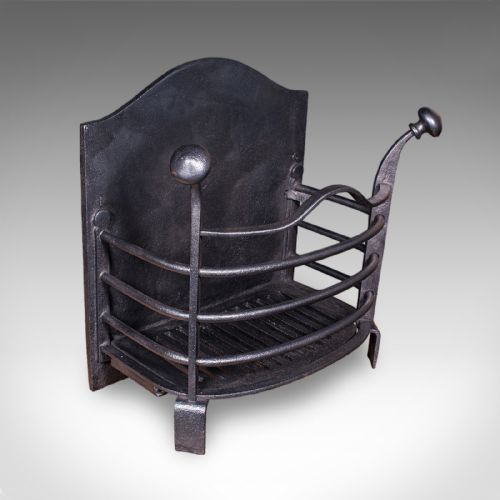
Makers utilised cast iron and wrought iron as the primary structural materials, often combining them with brass components, steel, and firebrick linings. Cast iron allowed for intricate mouldings and heavy fire backs, while wrought iron provided resilient bars for fire baskets.
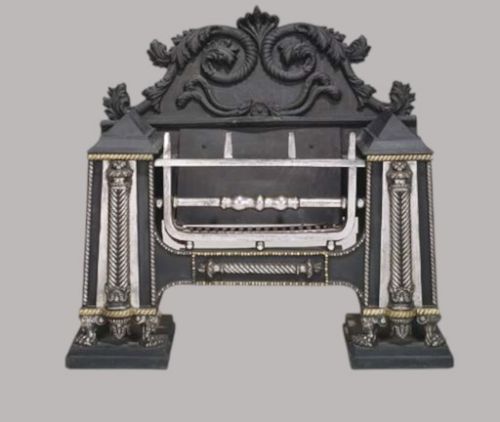
Surface detailing incorporated polished brass andirons, parcel gilt highlights, and painted wood surrounds. Pieces such as combination fireplaces and register grates demonstrate advanced metalworking techniques from nineteenth-century foundries.
Salesmen once carried miniature brass and iron firegrates to demonstrate full-sized hearth designs directly to prospective Victorian buyers.
Assessing quality in ironwork
Quality rests upon the weight of the metal, the crispness of the cast ornamentation, and the integrity of the joints between cast and wrought elements. Superior examples display balanced classical proportions, particularly in Regency and Adam style models.
The presence of matching brass fittings, substantial fire backs, and original firebrick liners distinguishes exceptional pieces from standard utility grates. Refurbished examples retain their heavy structural gauge while offering functional readiness.
The Antique Iron Grate Glossary
- Hob grate
- A cast iron fireplace featuring raised side platforms used for keeping kettles warm. These units became popular during the Georgian period.
- Andirons
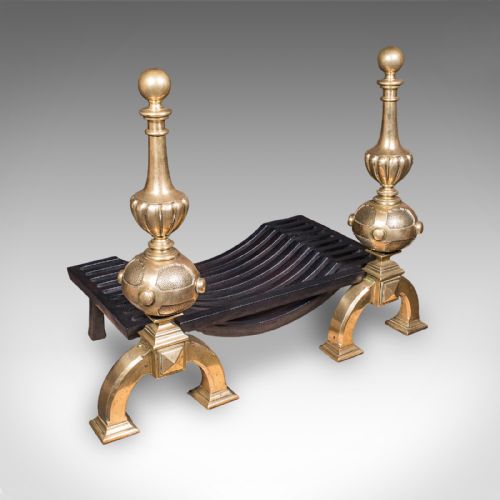
- Horizontal metal bars supported by vertical legs, placed in a hearth to hold logs. They frequently accompany fire baskets in larger settings.
- Register grate
- A fireplace grate fitted with a movable flap or damper to control the draught of the chimney. This mechanical advancement improved heating efficiency in the nineteenth century.
- Fire back
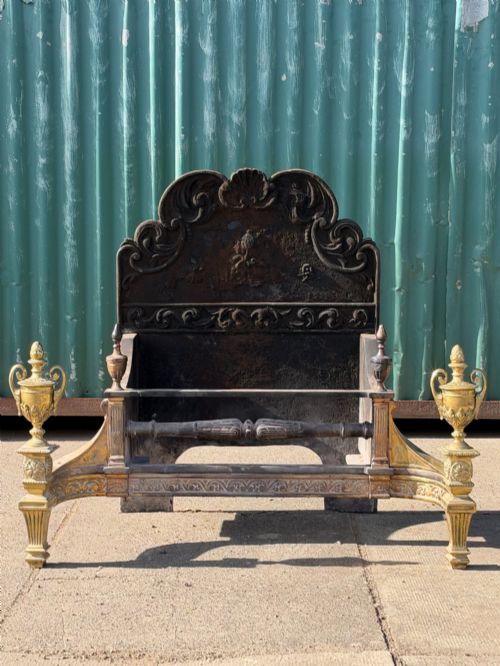
- A heavy iron plate placed at the back of an open hearth to reflect heat into the room and protect the masonry wall. They often feature decorative cast motifs.
- Fire basket
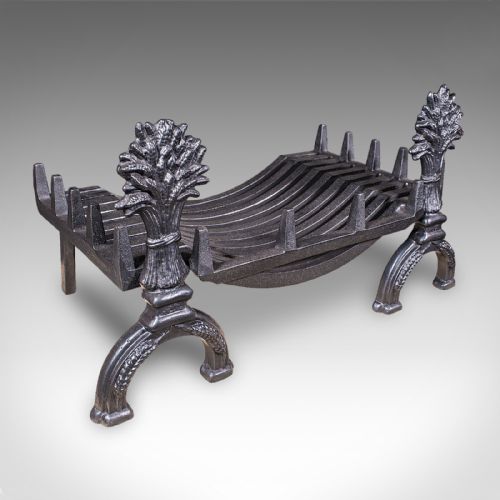
- An open metal basket designed to contain coal or wood within a fireplace. They appear in both freestanding and hearth-fitted formats.
Antique Iron Grate: Frequently Asked Questions
How do I choose the correct size?
Measure the internal width, depth, and height of your fireplace opening carefully before selecting a grate. Freestanding baskets and hob grates require adequate clearance around the sides and back for safe operation.
Consider the fuel type you intend to burn, as smaller proportions suit decorative use or gas conversions, while heavy cast iron baskets handle wood and coal effectively.
What is a combination fireplace?
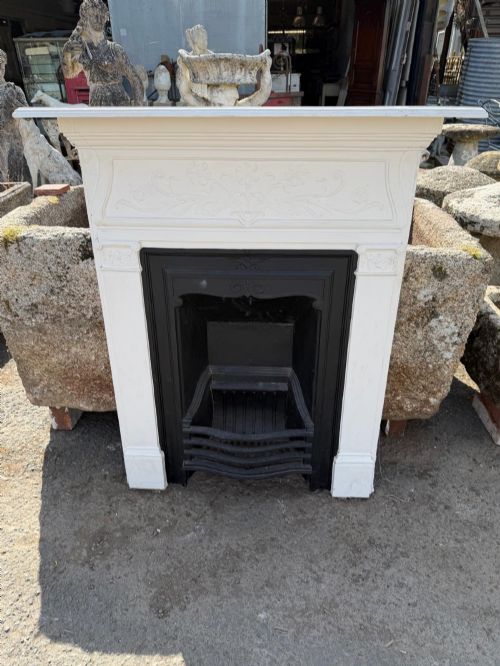
A combination fireplace integrates the grate, register, and surround into a single cohesive cast iron unit. These pieces became widespread during the Victorian era for standard domestic rooms.
They offer a complete architectural solution without requiring separate mantelpieces or inserts, often reflecting regional foundry patterns.
Can these grates burn real fires?
Many historical grates are built from robust cast and wrought iron capable of handling solid fuel. Checking for firebrick linings and solid metal thickness confirms suitability for active fires.
Restored pieces often feature updated internal components while preserving the exterior period appearance for modern hearths.
How do I identify a Georgian grate?
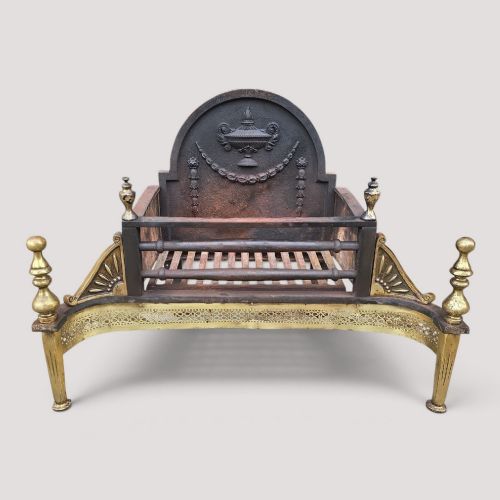
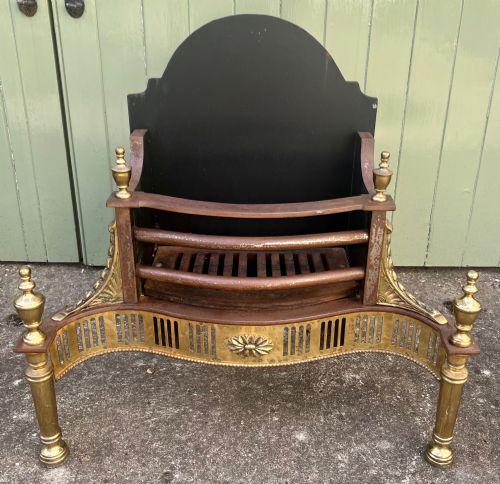
Georgian and George III style pieces typically exhibit clean classical lines, neoclassical motifs, and balanced proportions. They frequently utilise bright brass highlights alongside dark cast iron.
Details such as serpentine fronts and delicate pierced aprons distinguish these refined eighteenth-century and revival designs from heavier Victorian alternatives.