



Antique Iron Figurine
An antique iron figurine brings tactile weight and character to a room, ranging from utilitarian doorstops to decorative desk ornaments and animal sculptures.
Antique Iron Figurine
The search for an antique iron figurine reveals a diverse selection of sculptural objects spanning domestic accessories, functional doorstops, and decorative desk ornaments. These pieces originate from various eras, including Victorian, Edwardian, and the early twentieth century.
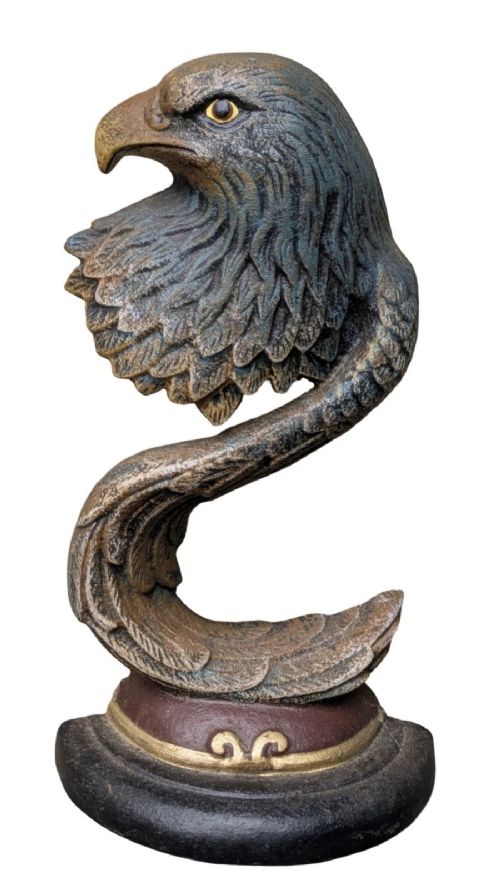
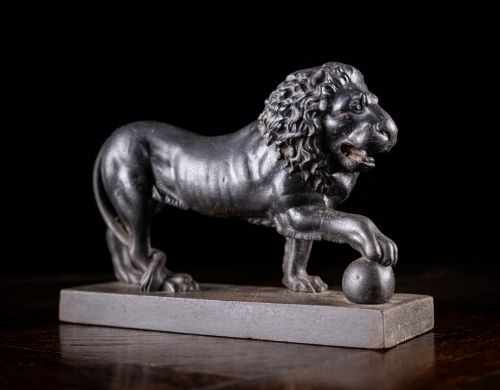
Buyers frequently encounter animal depictions such as dogs, horses, pigs, and bulls, alongside human figures and novelty items like mechanical bells or money banks. Stylistic influences range from British country styles and French animalier to Meiji period Japanese metalwork.
Common forms serve practical purposes in the home, functioning as heavy doorstops, fireplace ornaments, and paperweights. Others exist purely as cabinet sculptures and statues produced in cast iron, bronze finish, and patinated metal.
Materials and construction
Makers utilised heavy foundry methods, pouring molten metal into sand or metal moulds to achieve solid cast iron and cast metal figures. This technique allowed for durable items with robust structural integrity suited to daily household use.
Surface finishes applied to the metal include applied paint, enamel, bronze finishes, and dark patinated iron treatments. These coatings defined the visual texture and protected the base metal from corrosion over decades of display.
Antique Iron Figurine Retail Price Guide 2026
Typical asking prices for iron figurine among the pieces listed under this phrase on Sellingantiques today, from the lower quarter to the upper quarter. They describe what is for sale here now, not the wider market.
Materials span cast iron, patinated iron, bronze finishes, and painted or enamelled metal surfaces used across various utilitarian and decorative forms.
Evaluating quality and detail
The application and preservation of original paint, enamel, or patinated finishes significantly impact the visual appeal and authenticity of the piece. Intact surface treatments reflect better initial craftsmanship and careful subsequent preservation.
Unno Shomin
The Antique Iron Figurine Glossary
- Cast iron
- A strong, hard alloy of iron and carbon poured into moulds to create solid decorative and functional objects. It provides the heavy base required for items like doorstops and large paperweights.
- Patinated iron
- Metal treated with chemicals, heat, or natural ageing to produce an aged surface tone. This finish enhances the visual depth of sculptures and desk ornaments.
- Animalier
- A nineteenth-century artistic style focusing on the realistic portrayal of animals, particularly dogs, horses, and wild beasts. French and Victorian makers produced numerous cast metal examples.
- Okimono
- A Japanese decorative figurine designed for display on a shelf or in a traditional alcove. These pieces showcase intricate metalwork techniques from makers active during the Meiji period.
Antique Iron Figurine: Frequently Asked Questions
What is an antique iron figurine used for?
Many of these pieces served practical domestic functions alongside their decorative appeal. Items like heavy dogs and horses often acted as doorstops or fireplace accessories to hold doors open or manage hearth equipment.
Other smaller castings functioned as desk ornaments, paperweights, or money banks. Today, collectors primarily display them as sculptural shelf objects or mantelpiece ornaments.
How do I identify a Victorian iron figurine?
Victorian examples frequently display the weight and robust proportions typical of nineteenth-century foundry production. They often take the form of utilitarian items like spaniel doorstops or fireplace ornaments associated with country house interiors.
Stylistic cues such as Victorian animalier modelling or period clothing on human figures help place the casting in the nineteenth century. Examining the base metal and surface wear also assists in confirming the era.
Are all iron figurines made of cast iron?
Not all pieces consist purely of standard cast iron. While many heavy doorstops and sculptures utilise cast iron, others employ general cast metal, bronze finishes, or patinated iron.
Different foundries used varying metal compositions depending on whether the object required high tensile strength, fine detail reproduction, or specific patination results. Surface finishes like enamel or paint were then applied over these metal bases.
How should I care for an antique iron figurine?
Maintenance involves keeping the metal dry and protecting the surface from moisture to prevent rust formation. Gentle dusting with a dry cloth is usually sufficient for cleaning patinated or painted surfaces.
Avoid using harsh chemical cleaners or abrasive polishes that might strip away original paint, enamel, or aged patination. Placing pieces in stable indoor environments preserves both the metal and any applied surface coatings.