



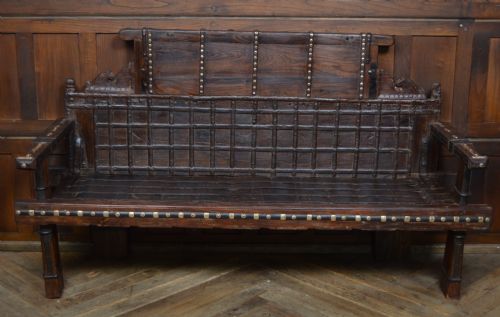


Antique Iron Daybeds
Antique iron daybeds combine robust metal frames with versatile lounging utility, offering timeless charm for modern interiors and gardens alike.
Antique Iron Daybeds
Antique iron daybeds encompass sturdy metal frames designed for both sitting and reclining, spanning Victorian and early 20th-century periods. These pieces appear in forms ranging from traditional daybeds and garden benches to sun loungers and bed steads.
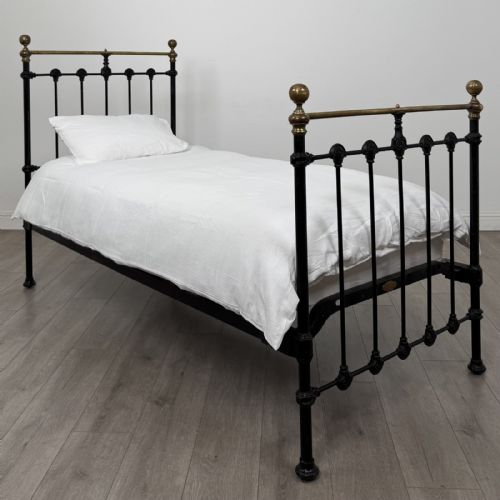
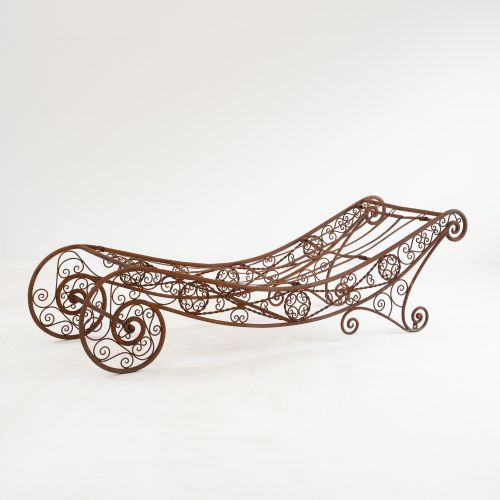
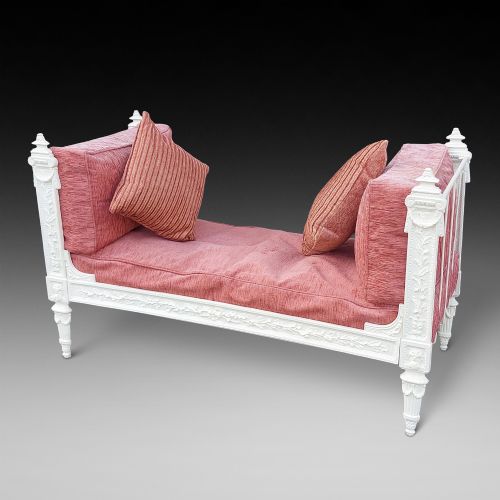
Buyers seeking antique iron daybeds will frequently encounter Victorian single beds and French garden daybeds featuring combined iron and brass construction. The selection includes specific variations such as platform style beds, child cot beds, and garden loungers.
Origins represented in these pieces stretch from domestic Victorian settings to French country aesthetics, utilising painted iron, cast iron, and wrought iron. Each iteration provides a durable frame suitable for daily relaxation or ornamental garden placement.
How they were made
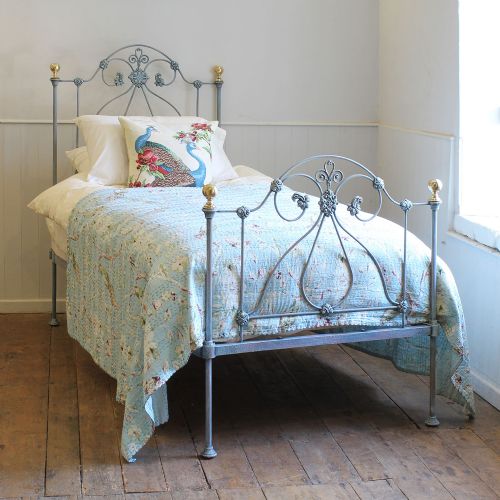
Makers constructed these frames utilising durable cast iron and wrought iron for structural integrity, frequently pairing them with gleaming brass components for decorative contrast. Painted iron finishes provided both protection against oxidation and distinct coloration, as seen in blue verdigris examples.
Support systems relied on practical slatted bases or platform styles built directly into the metal framework to accommodate mattresses and cushions. Artisans shaped metal tubing and bars into structured headboards, footboards, and scrolling garden bench ends.
Antique Iron Daybeds Retail Price Guide 2026
Typical asking prices for iron daybeds among the pieces listed under this phrase on Sellingantiques today, from the lower quarter to the upper quarter. They describe what is for sale here now, not the wider market.
Some garden daybeds have survived a century outdoors, wearing their blue verdigris like an old coat worn in the rain.
What varies in quality
The sophistication of the metalwork defines the upper tier of these pieces, distinguishing plain utility frames from elaborately detailed Victorian brass and iron combinations. Heavier castings and more intricate joinery separate standard production from superior examples.
The condition and application of original or early paintwork, such as verdigris surfaces, influence the visual character and authenticity of each piece. Integrated brass elements that retain their polish and secure fittings elevate the overall execution.
R W Winfield
The Antique Iron Daybeds Glossary
- Cast iron
- A strong, hard iron alloy poured into moulds to create complex decorative shapes and structural bed ends. It forms the rigid backbone of many Victorian frames.
- Wrought iron
- Iron that is heated and hammered into shape by hand, resulting in fibrous, resilient components often found in French garden daybeds. This material allows for slender, elegant scrolls.
- Verdigris
- A green or blue patina formed naturally on copper, brass, or painted iron surfaces through atmospheric exposure. It provides a distinctive aged aesthetic highly prized on garden furniture.
- Slatted base
- A foundation constructed from wooden or metal slats laid across the bed frame to support a mattress. This method ensures proper ventilation and even weight distribution.
- Bedstead
- The complete framework of a bed, including headboard, footboard, and side rails, excluding the mattress. Antique versions showcase period-specific metal casting techniques.
Antique Iron Daybeds: Frequently Asked Questions
What is an antique iron daybed?
Antique iron daybeds are nineteenth-century and early twentieth-century resting furniture constructed primarily from cast iron, wrought iron, and brass. They function as both seating and lounging platforms within homes and gardens.
These pieces reflect the industrial and decorative metalworking techniques of the Victorian era and French country workshops. Their durable frames accommodate various mattress types for everyday use.
How do I date an antique iron bed?
Dating relies on examining the construction methods, material combinations, and stylistic clues recorded in Victorian and early twentieth-century examples. Iron and brass detailing often points to specific decades between eighteen fifty and nineteen twenty.
Changes in metal casting technology and popular aesthetic movements help narrow down the period of manufacture. Comparing hardware and joinery provides further chronological context.
Are iron daybeds suitable for daily sleeping?
These robust metal frames provide reliable structural support when fitted with modern mattresses suited to single or super single dimensions. Their sturdy iron and steel construction ensures long-term durability.
Many historic frames feature slatted bases or platform designs originally built to hold proper bedding. They integrate comfortably into modern bedrooms as permanent sleeping solutions.
Can antique iron daybeds go outside?
Certain variations, specifically French wrought iron garden daybeds and garden benches, are purposefully built for outdoor environments. Painted iron finishes help protect the underlying metal from weathering.
Indoor Victorian brass and iron beds require shelter from moisture to preserve their polished brass and delicate painted surfaces. Verdigris finishes on garden pieces naturally withstand outdoor elements.