


Antique Iron Console
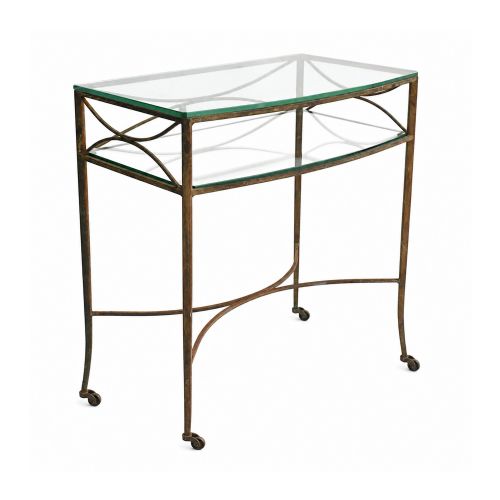
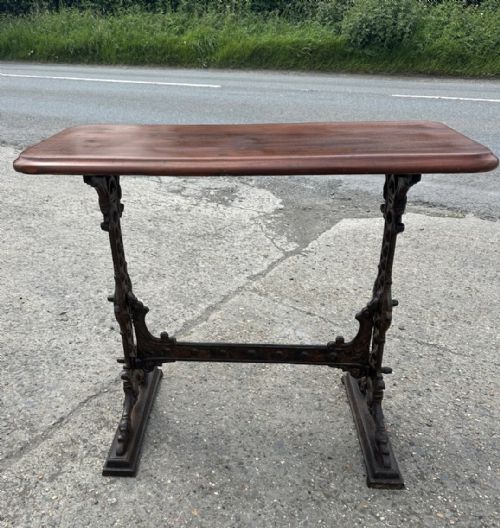
These antique iron consoles combine heavy metal frames with marble, wood, or steel surfaces to create durable display tables for halls and living spaces.
Antique Iron Console
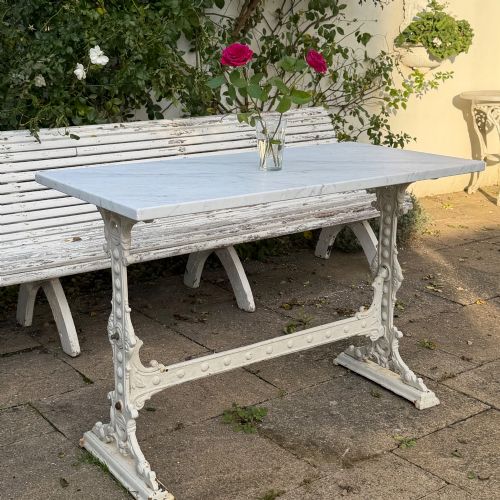
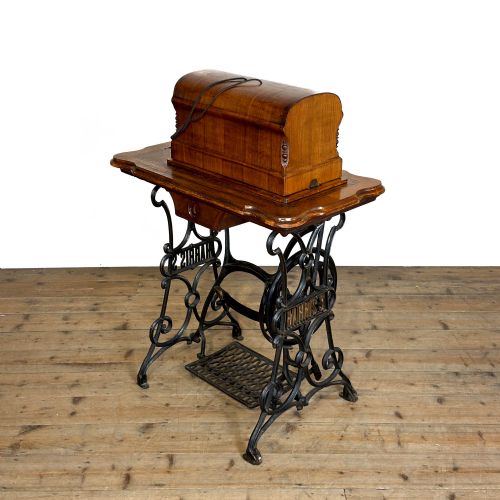
An antique iron console serves as a sturdy surface for hallways, conservatories, and reception rooms, often positioned against a wall to hold lamps or decorative objects. These pieces unite rigid metal framing with contrasting tabletops, pairing the industrial strength of cast or wrought iron with refined stone or timber.
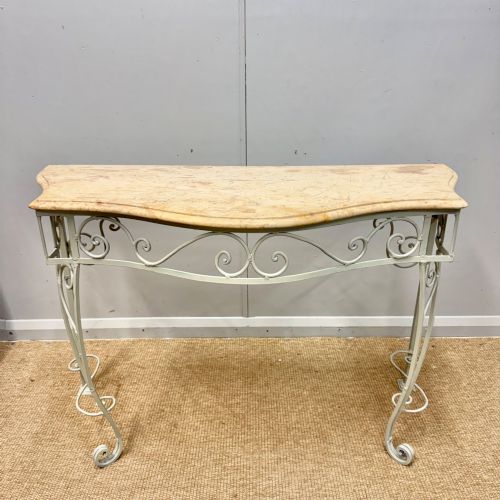
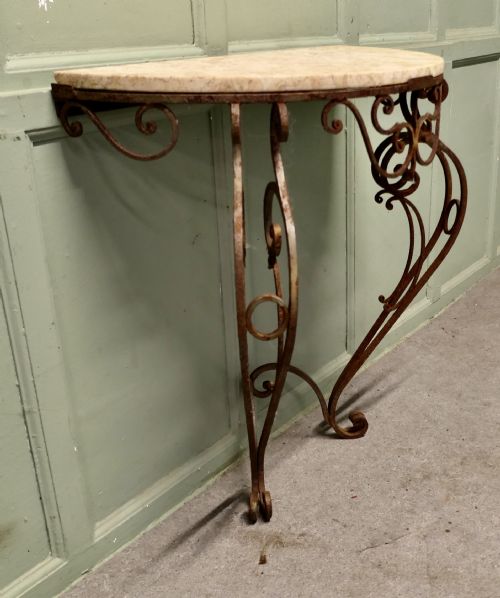
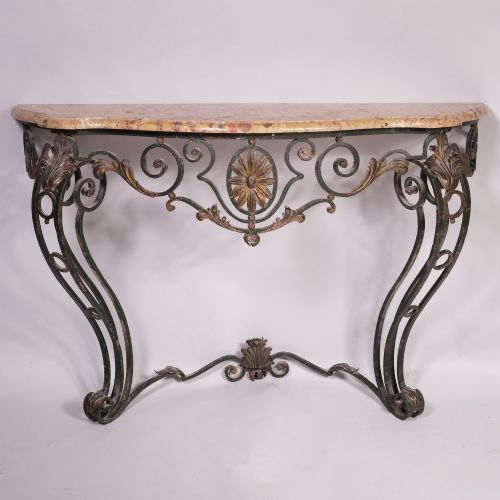
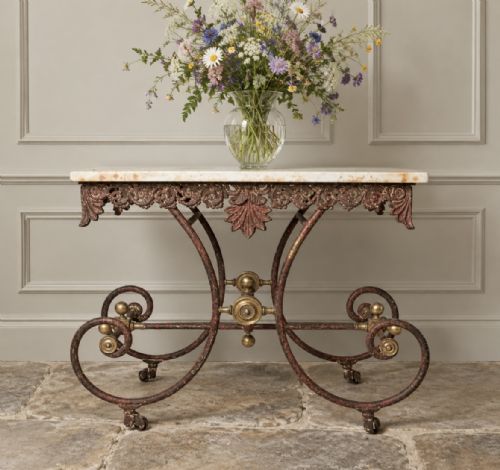
Origins stretch from Victorian and Edwardian Britain to French provincial workshops and Spanish houses, spanning periods from the seventeenth century through to the 1920s. Buyers will frequently encounter nineteenth-century French designs that pair wrought iron supports with heavy serpentine or straight marble slabs.
Materials and construction methods
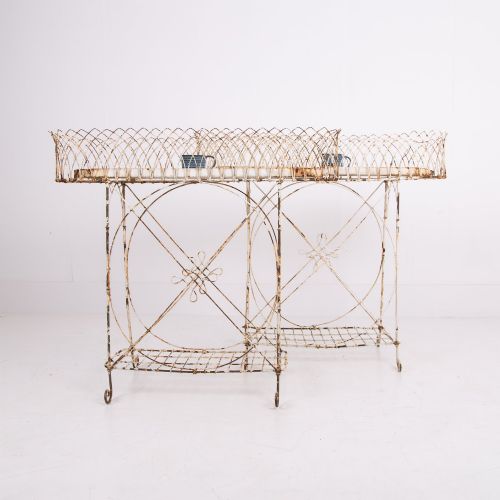
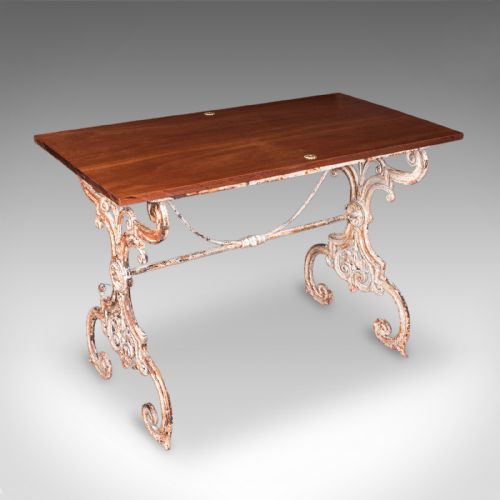
Metal frames rely on either cast iron moulded into decorative or industrial patterns, or wrought iron shaped by hand into scrolls and structural braces. Cast components offer heavy stability, whereas forged wrought iron provides slender strength and flexibility for complex frames.
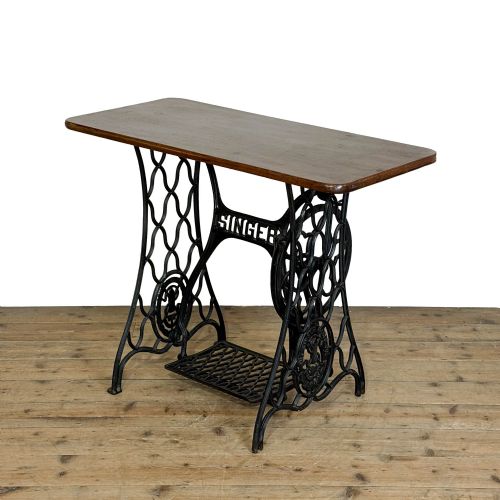
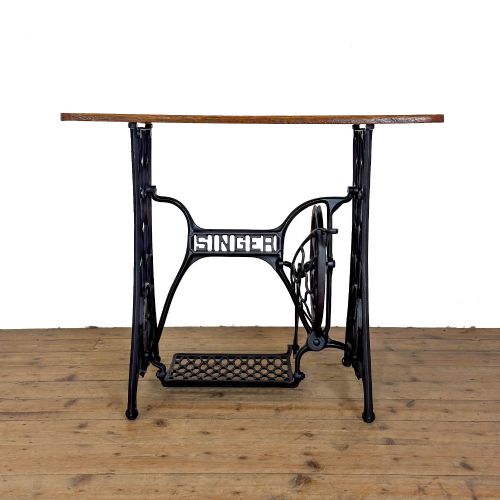
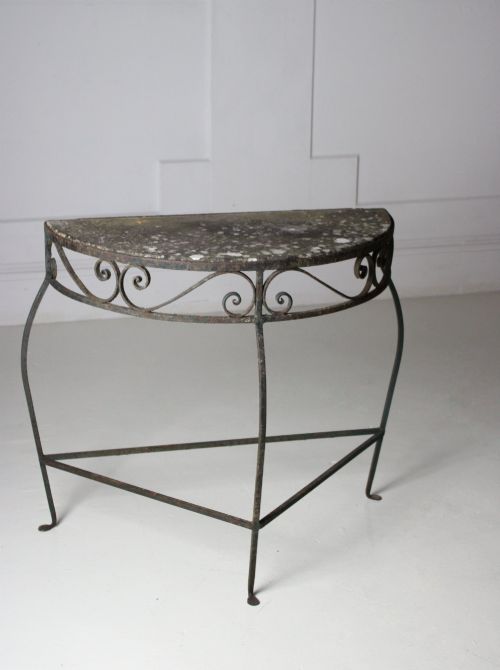
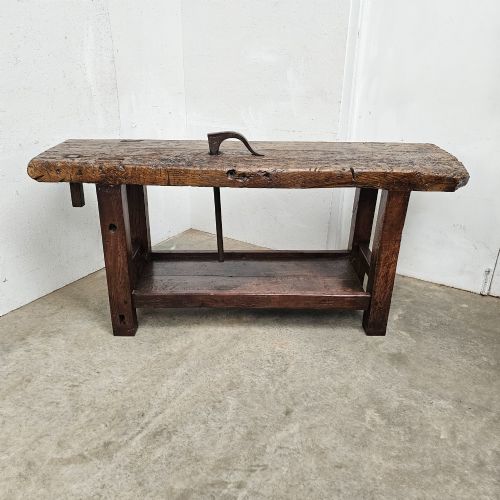
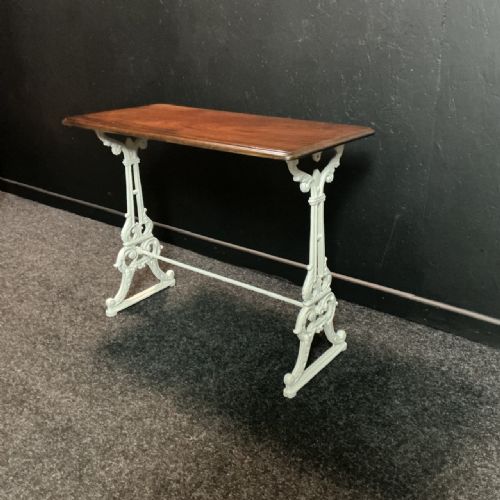
Table surfaces balance the dense metal bases through contrasting materials, most notably polished marble, dense oak, and walnut. Wood elements frequently show the marks of hard utility use, such as patinated finishes and clamping bars on workbenches.
Antique Iron Console Retail Price Guide 2026
Typical asking prices for iron console among the pieces listed under this phrase on Sellingantiques today, from the lower quarter to the upper quarter. They describe what is for sale here now, not the wider market.
The furniture forms span garden tables, pub tables, patisserie counters, and industrial workbenches adapted for domestic display.
Distinguishing quality in iron consoles
Quality rests in the harmony of proportions between the metal base and the upper surface, along with the crispness of casting or the hand-forged detail in wrought iron. Superior pieces maintain original components, such as unreplaced marble slabs or matching timber tops that have aged alongside the frame.
The integrity of the structural joints and the depth of the metal patination dictate the grade of a piece. Finer examples display honest surface wear without compromise to the load-bearing capacity of the iron or the stability of the tabletop.
Jones Sewing Base·Singer
The Antique Iron Console Glossary
- Console table
- A table designed to stand against a wall, frequently secured with brackets or balanced on heavy legs.
- Cast iron
- Iron poured into a mould while molten to create intricate or robust structural shapes.
- Wrought iron
- Iron heated and hammered into shape by hand, resulting in tough, fibrous metal work.
- Patina
- The surface sheen and colour acquired by materials through age, use, and exposure.
- Serpentine top
- A tabletop featuring a distinctive wavy front edge with a convex centre flanked by concave curves.
Antique Iron Console: Frequently Asked Questions
Where should I place an iron console?
These tables suit narrow entrance halls, reception rooms, and garden conservatories where a slim profile and sturdy build are required.
The combination of metal frames and stone or wood tops allows them to function as display surfaces for lamps, plants, and decorative objects.
How do I care for a marble top?
Marble surfaces require gentle cleaning with mild, non-acidic soap and water to preserve the polished finish and prevent staining.
Using coasters and placemats helps protect the stone from etching caused by spills and heavy use.
Are these tables suitable for outdoor use?
Garden tables and certain iron frames were originally built for exterior environments like patios and conservatories.
Protection from prolonged dampness prevents rust formation on vulnerable iron joints and preserves timber elements.
How can I tell the period of a console?
Dating relies on examining the casting techniques, fastener types, and the natural wear patterns on both the metal and the top.
Victorian and Edwardian pieces often show distinct industrial foundry marks, while earlier examples display hand-forged characteristics.