

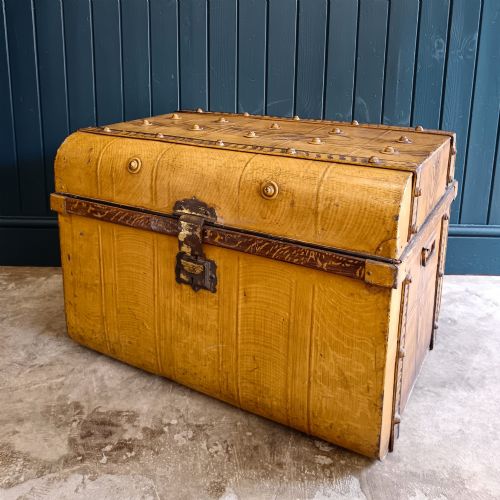
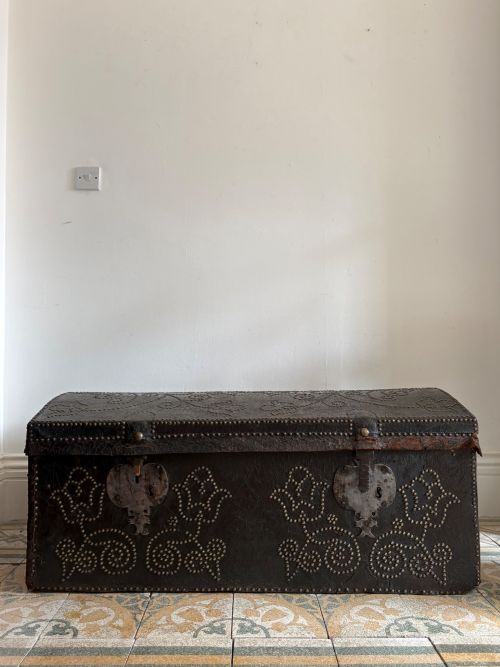
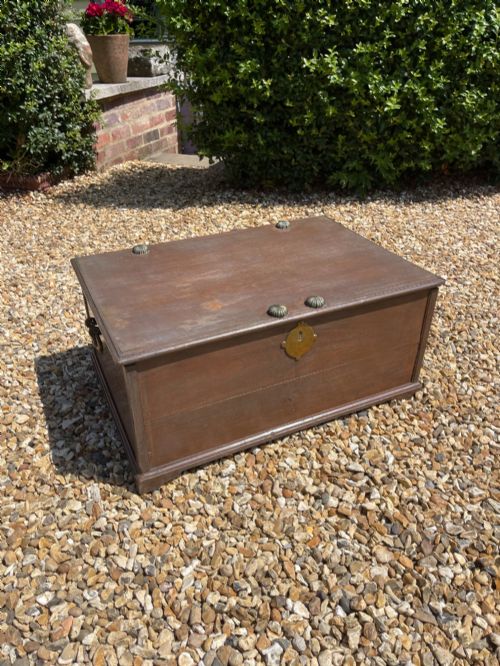
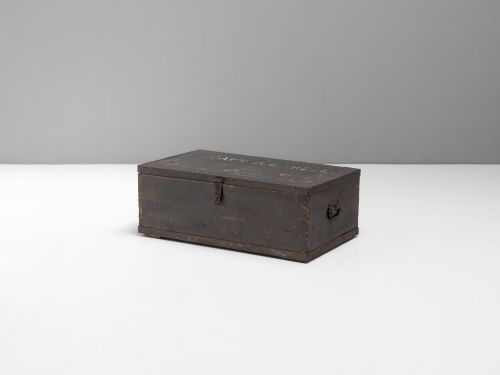
Antique Iron Coffer Box
An antique iron coffer box is a heavy security chest forged for travel or vault storage, built to outlast generations.
Antique Iron Coffer Box
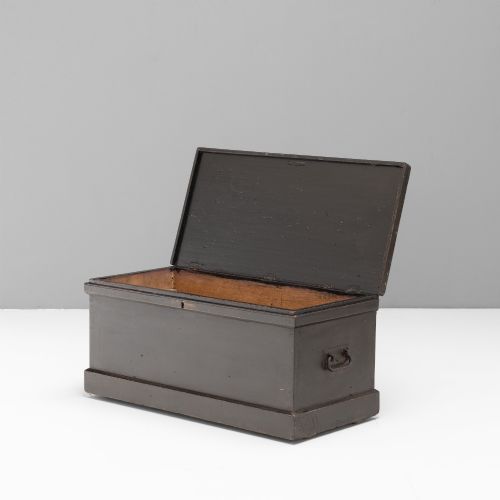
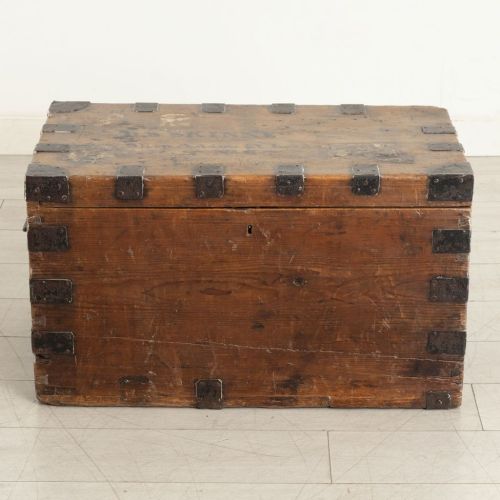
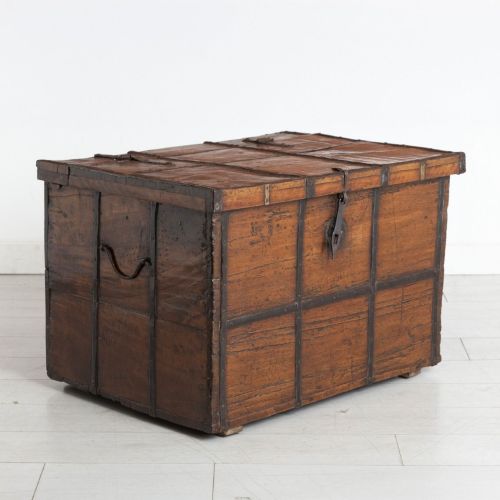
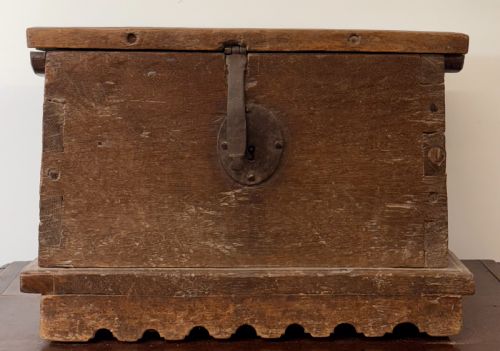
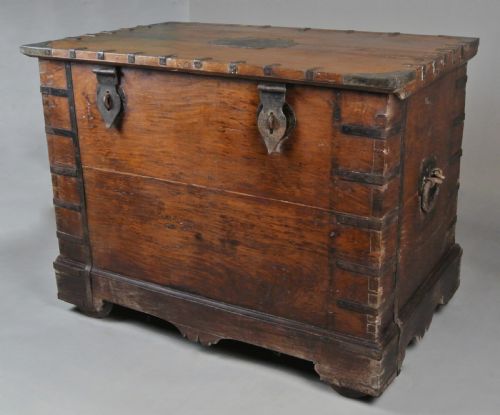
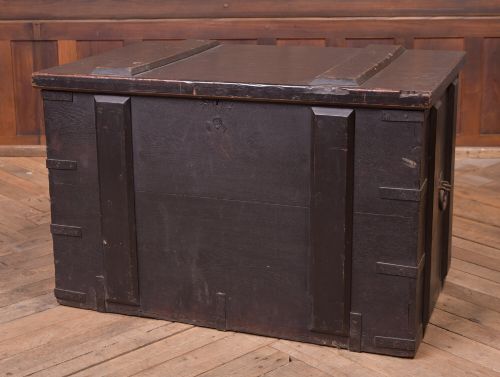
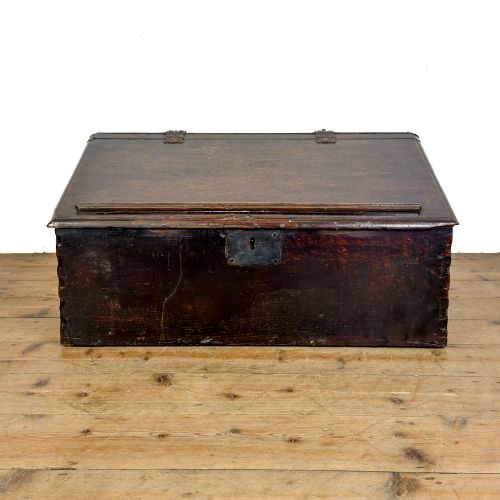
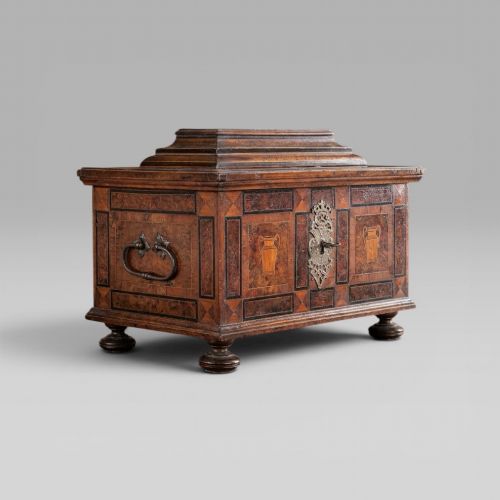
An antique iron coffer box combines sturdy wooden carcases with reinforced metal straps, hinges, and bindings. Buyers find everything from seventeenth-century oak strongboxes to nineteenth-century travel trunks and dowry chests.
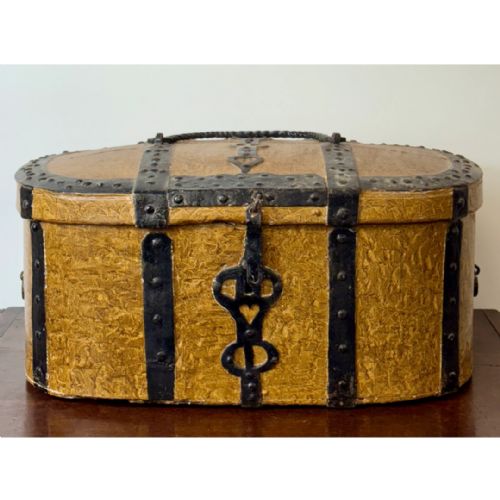
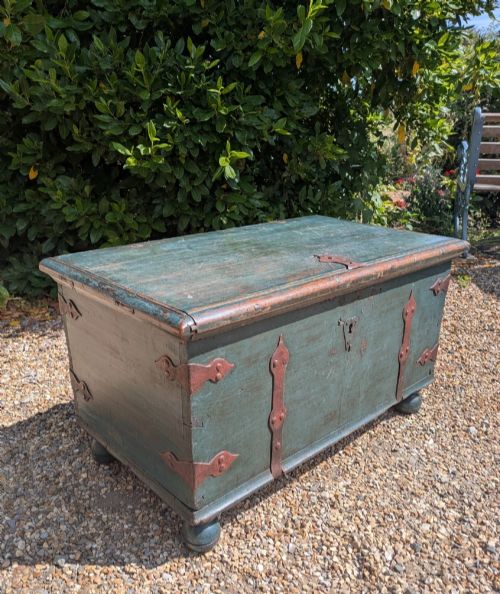
The selection ranges across European and domestic origins, including Scandinavian folk art pieces, Flemish and English oak coffers, and campaign trunks. Many examples utilise pine, teak, elm, or walnut alongside heavy forged iron hardware.
How they were made
Joiners constructed the primary bodies from solid timbers such as oak, pine, and teak, often employing six-plank construction or dovetailed joints. Blacksmiths shaped hand-forged iron strapwork, corner brackets, and heavy carrying handles to secure the structure.
Internal mechanisms relied on complex steel locks, sometimes hidden beneath elaborate spring covers inside the lid. Surfaces might remain as bare polished wood, or receive hand-painted finishes and leather coverings studded with brass nails.
Some seventeenth-century strongboxes hid their keyholes beneath sliding panels to confuse anyone attempting an unscheduled inspection.
What varies in quality
The integrity of the original locking mechanism and internal complex steel work distinguishes a superior box from a standard utility chest. Intact hand-forged iron strapwork and original surface paint or patination elevate the standing of a piece.
Proportion and timber selection also divide the range, from simple elm storage boxes to monumental teak dowry chests with detailed Moorish style decoration or Scandinavian folk art painting.
The Antique Iron Coffer Box Glossary
- Coffer
- A heavy wooden chest traditionally used for storing valuables or documents. These often feature reinforced iron bands.
- Strongbox
- A secure container designed for money or precious items, frequently fitted with intricate internal steel locking systems.
- Strapwork
- Decorative or reinforcing bands of flat metal fastened across the exterior of a chest to increase structural strength.
- Campaign chest
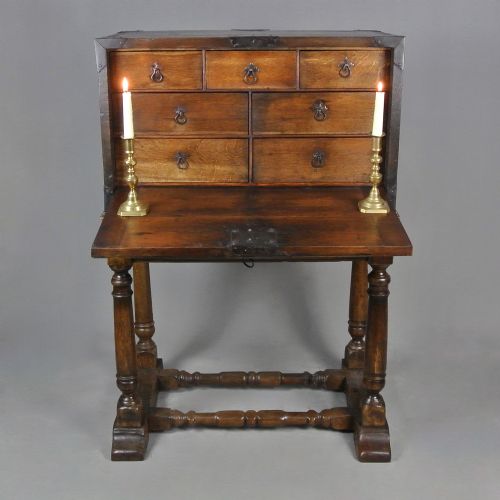
- Portable furniture made in sections with recessed brass handles, built for officers on military deployment.
- Dome top
- A rounded lid profile that sheds water and increases internal storage capacity, common on older travel trunks.
Antique Iron Coffer Box: Frequently Asked Questions
What is an iron coffer box?
An antique iron coffer box is a secure storage chest constructed from thick timber and reinforced with hand-forged iron straps and bands. These pieces were built to safeguard valuables, documents, and currency against theft or transit damage.
Over the centuries, workshops across Europe produced them in various forms, from small desk boxes to large domestic storage trunks.
How were antique strongboxes locked?
Makers fitted strongboxes with complex internal steel locks, often concealed beneath a decorated metal plate on the underside of the lid. Multiple bolts engaged simultaneously when the key turned, controlled by sophisticated lever or spring mechanisms.
Many surviving examples retain their original keys, which are often large and intricately forged.
Where were these chests made?
Production spanned England, the Netherlands, Flanders, Spain, and Scandinavia, alongside colonial workshops in regions such as Rajasthan. Each area used local timbers like oak, pine, teak, or elm, combined with regional styles of ironwork and paint decoration.
Flemish and German workshops specialised in complex mechanical strongboxes, while Scandinavian makers produced painted folk art marriage chests.
How do I care for a wooden and iron chest?
Keep the timber nourished with appropriate wax and maintain a stable indoor humidity level to prevent the wood from splitting around the iron fittings. The metal components benefit from a very light application of microcrystalline wax to protect against oxidation.
Avoid placing heavy iron-bound trunks in direct sunlight or near heat sources that might dry out the ancient wood.
What is an Armada chest?
An Armada chest is a heavy iron-plated box manufactured in Germany or Flanders during the sixteenth and seventeenth centuries. Despite the traditional British folk name linking them to the Spanish Armada, they served as military pay chests and municipal strongboxes.
Their lids conceal complex locking assemblies that drive multiple bolts into the sides of the chest at once.