


Antique Interior Genre Painting
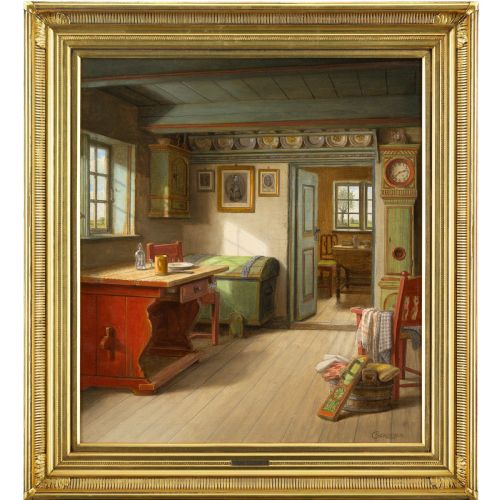
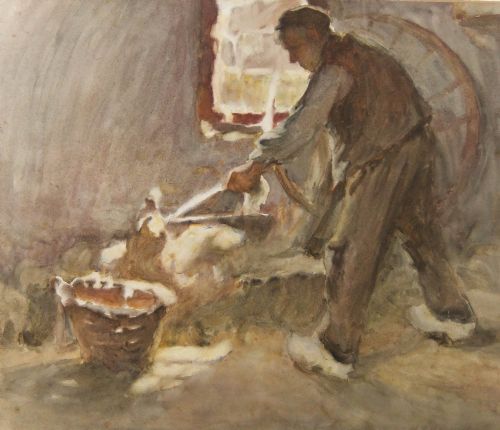
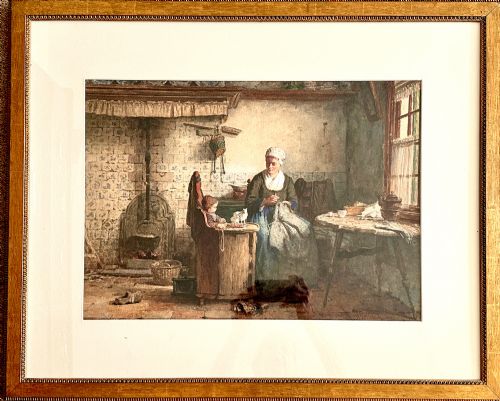
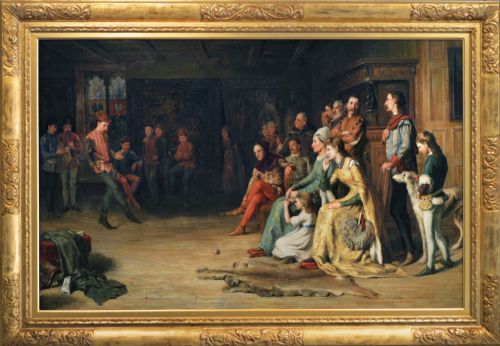
These antique interior genre painting works capture domestic scenes, cottages and taverns in oil and watercolour from the nineteenth century onwards.
Antique Interior Genre Painting
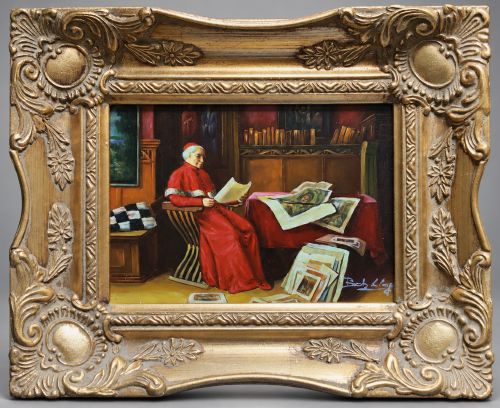
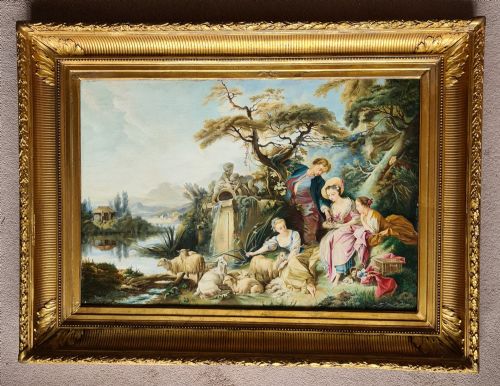
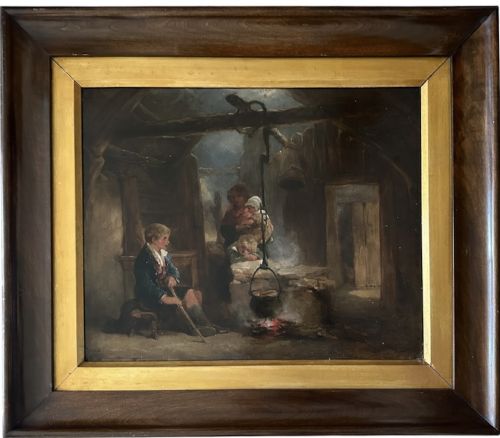
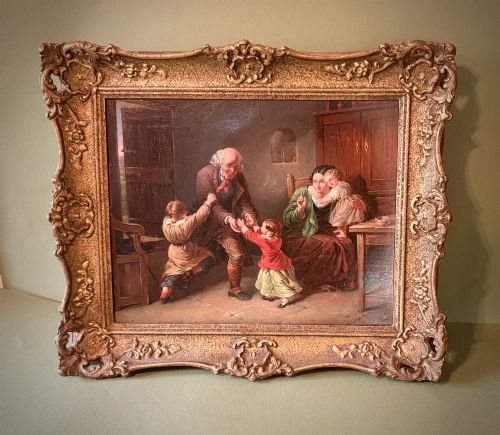
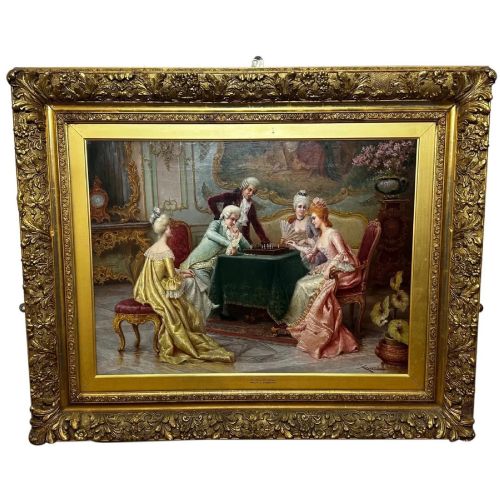
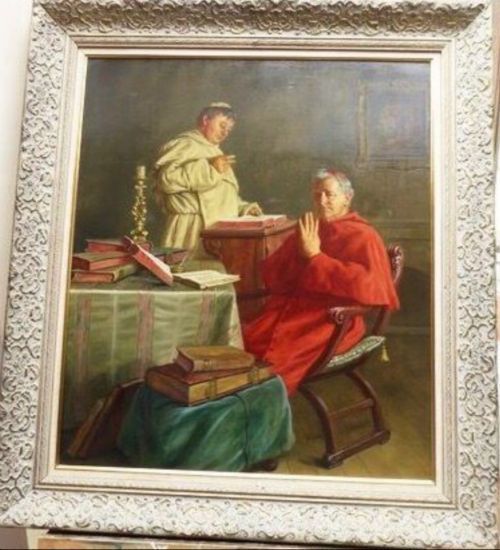
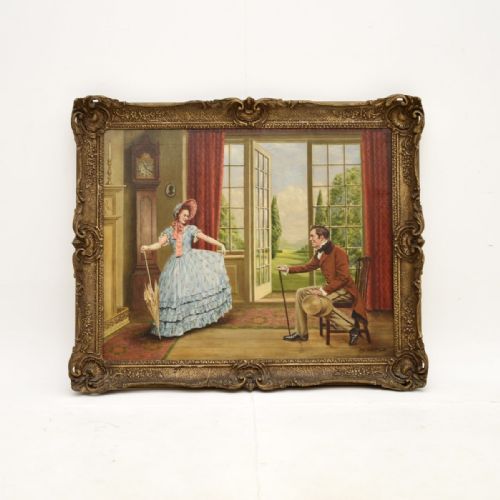
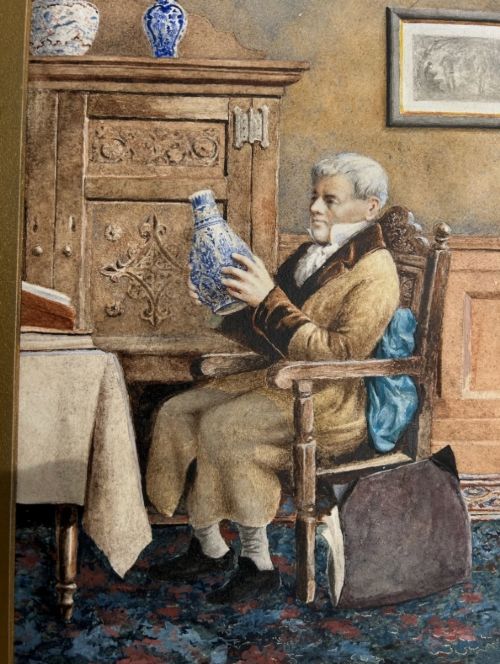
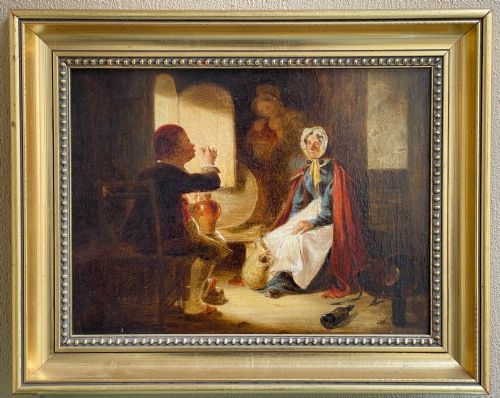
An antique interior genre painting portrays everyday domestic scenes, tavern gatherings and cottage life within domestic or historic settings.
Most pieces seen here belong to the nineteenth century, including Victorian works, alongside Edwardian and mid-century examples.
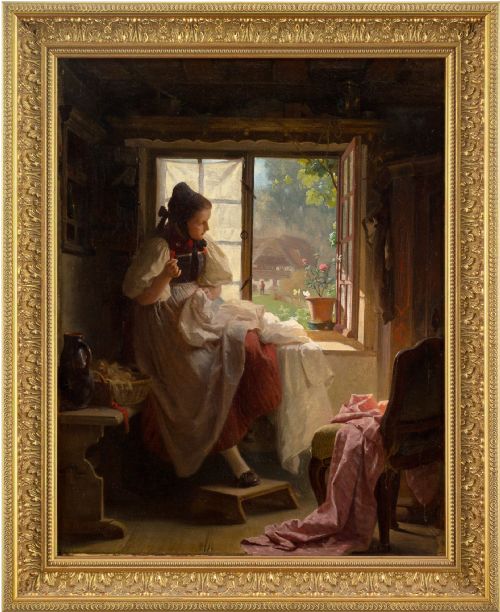
The subjects range from country house tea times and quiet mornings by windows to card players and blacksmiths at work.
How They Were Made
Artists painted primarily in oil on canvas or panel, and sometimes in watercolour, utilising oil paint alongside gesso and giltwood frames.
Canvases were stretched and secured within frames finished with gold leaf, while panels provided a rigid surface for detailed brushwork.
Antique Interior Genre Painting Retail Price Guide 2026
Typical asking prices for interior genre painting among the pieces listed under this phrase on Sellingantiques today, from the lower quarter to the upper quarter. They describe what is for sale here now, not the wider market.
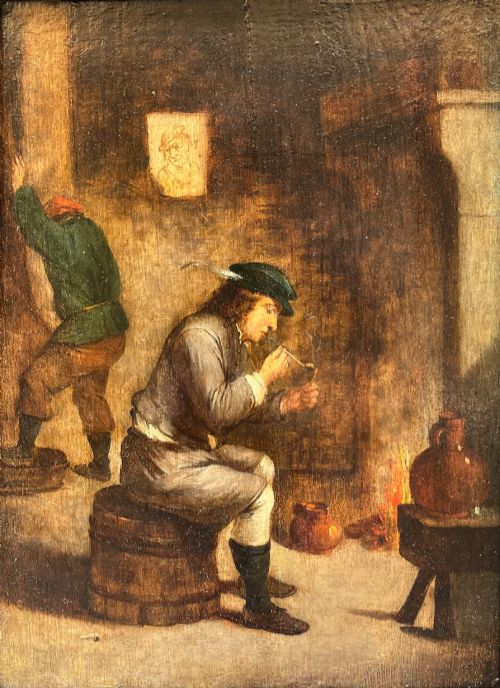
Several canvases capture servants sneaking moments by tavern barrels or eavesdropping on household conversations.
What Varies in Quality
Quality rests in the handling of light, shadow and human expression, separating lively character studies from stiff compositions.
The depth of narrative detail in domestic interiors and the preservation of original pigments and giltwood framing distinguish finer examples.
Henry Stacy Marks·Stephen Samuel Lewin·Henry Silkstone Hopwood·Alfred Lyndon Grace·Max Kaltenmoser·David Teniers·James Hamilton·Hendrik Valkenberg·Bernard De Hoog·Valdemar Magaard·Renato Moretti·Jacob Akkersdijk·J De Ninville·Harry Brooker·Johann Hamza·Byam Shaw·George Kilburne·Alexander Rosell·John Arthur Lomax·John Watkins Chapman·Charles Haigh Wood·Frank Moss Bennett·Haynes King·James Kyd·Edwin Thomas Roberts
The Antique Interior Genre Painting Glossary
- Genre painting
- A style depicting scenes from ordinary life, typically domestic interiors, taverns or street scenes. These works focus on human narratives rather than portraiture or landscape.
- Oil on canvas
- Pigments bound in a drying oil applied to a woven fabric support. This combination allowed artists to blend tones smoothly and build rich textures.
- Chiaroscuro
- The strong contrast between light and dark within a composition. Painters utilised this technique to create dramatic focus on figures inside dim rooms.
- Giltwood
- Wood carved and covered with a thin layer of gold leaf or metallic powder. It provides the decorative borders for framing traditional artworks.
Antique Interior Genre Painting: Frequently Asked Questions
What is a genre painting?
A genre painting depicts everyday life and ordinary people engaged in routine activities, rather than historical events or grand mythology. These works record domestic moments, tavern scenes and cottage interiors.
Artists focused on human interaction and narrative, capturing details of nineteenth-century life. They offer a window into past domestic environments.
How are periods identified?
Periods are determined through a combination of clothing styles, interior furnishings, painting techniques and artist signatures. Victorian and Edwardian works reflect the fashions and domestic decor of their respective decades.
Signatures, dates inscribed on canvases, and framing materials also help narrow down the exact decade of creation.
Where were these paintings displayed?
Historically, these artworks hung in nineteenth-century drawing rooms, country houses and urban parlours. They added warmth and narrative interest to domestic spaces.
Today, collectors place them in traditional living rooms or studies where their rich frames and intimate subjects complement period interiors.
What media did artists use?
Artists worked primarily in oil paint on canvas or wooden panel, while others chose watercolour on paper. Oil allowed for layered colours and subtle blending of light.
Watercolour works offered a lighter touch, often framed under glass to protect the delicate pigments from atmospheric damage.