





Antique Inlaid Wood Panel
An antique inlaid wood panel brings rich texture and intricate detail to a room, offering craftsmanship that modern interiors rarely achieve.
Antique Inlaid Wood Panel
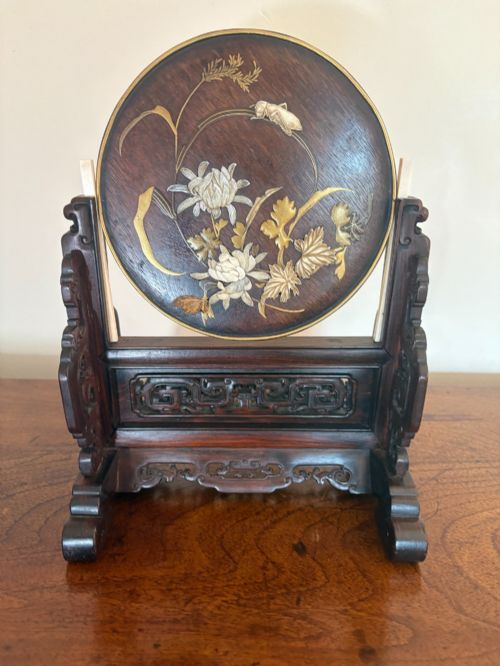
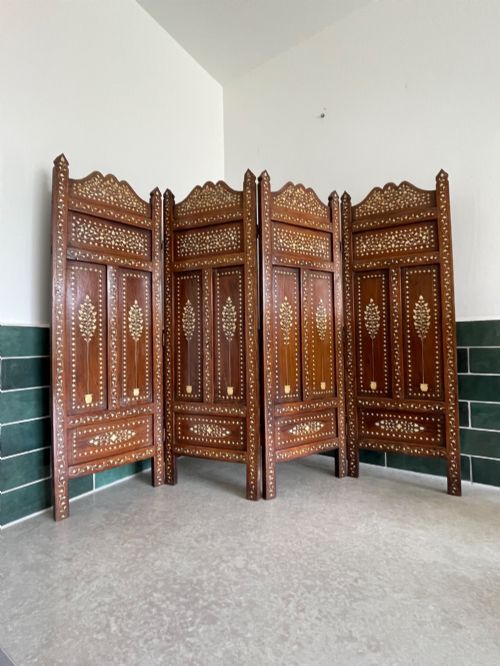
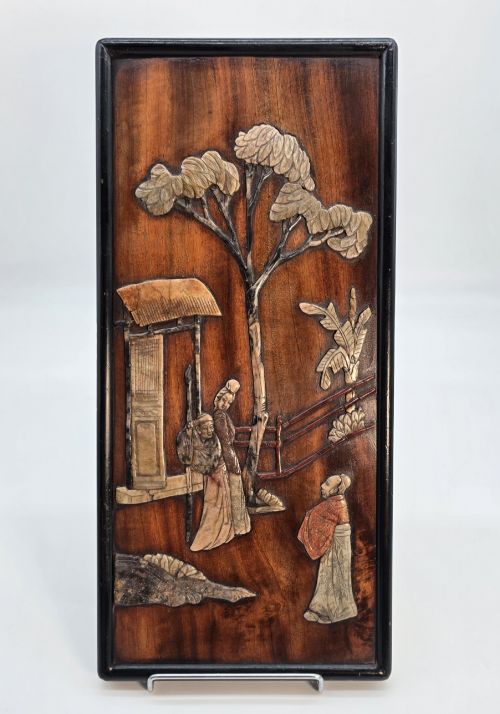
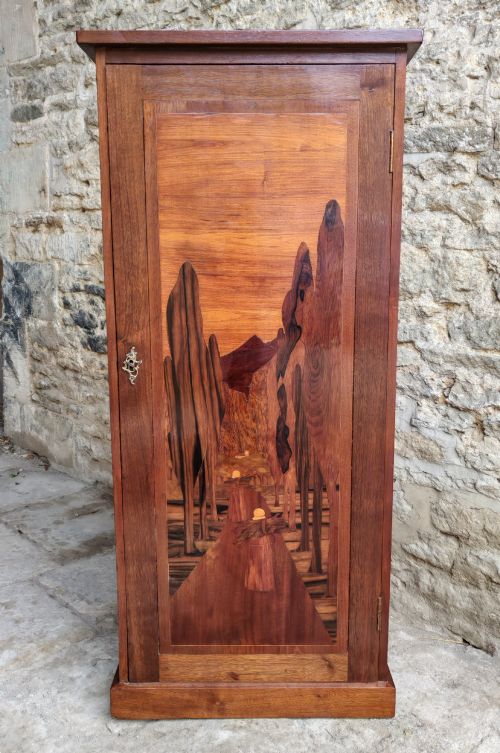
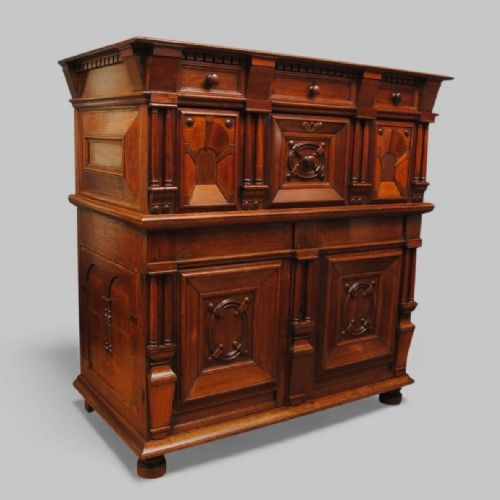
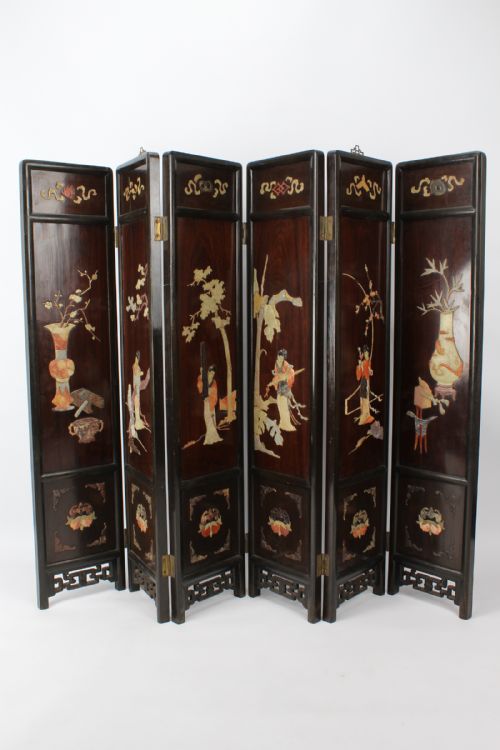
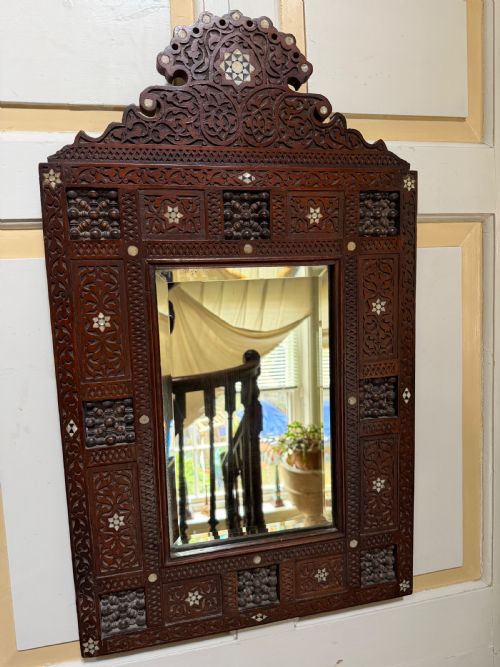
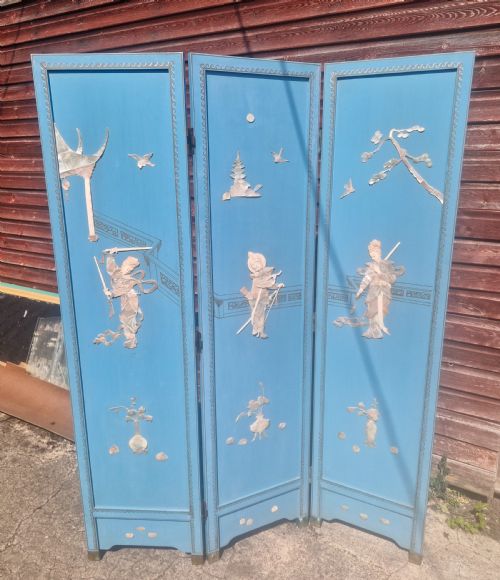
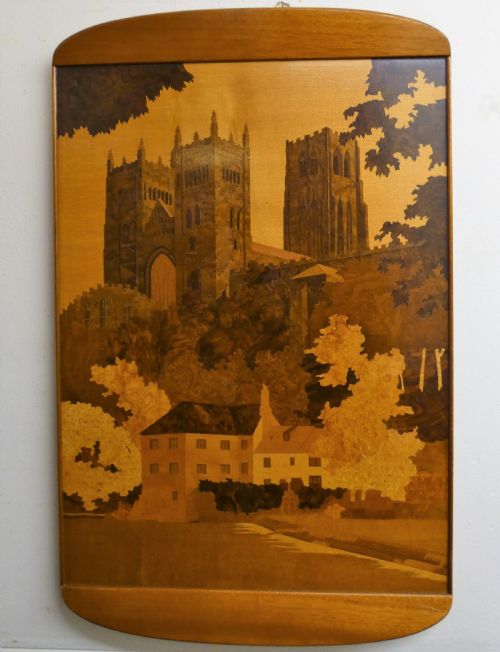
An antique inlaid wood panel gathers diverse traditions from the seventeenth century through to the early twentieth century, spanning English Georgian cabinetwork, Anglo-Indian marquetry, and Japanese Meiji period screens. These pieces appear as wall art, folding screens, table screens, and architectural fragments.
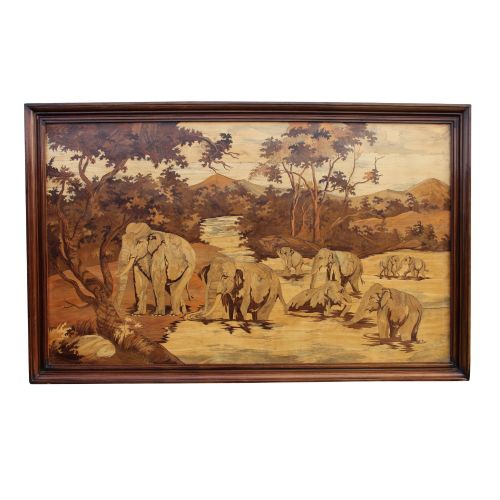
The selection ranges from geometric Tunbridge Ware wall plaques and specimen wood mosaics to large Indian elephant marquetry panels and Oriental folding screens. Buyers encounter various forms where contrasting timbers and delicate insertions define the surface decoration.
The origin often dictates the character of the piece, moving from the dark oak and walnut of earlier centuries to the lighter satinwood, rosewood, and exotic hardwoods favoured in later decorative eras.
Materials and construction methods
Cabinetmakers and artisans utilised a palette of dense hardwoods including mahogany, oak, walnut, rosewood, and teak as the structural foundation for their work. These timbers provided a stable base for detailed surface manipulation.
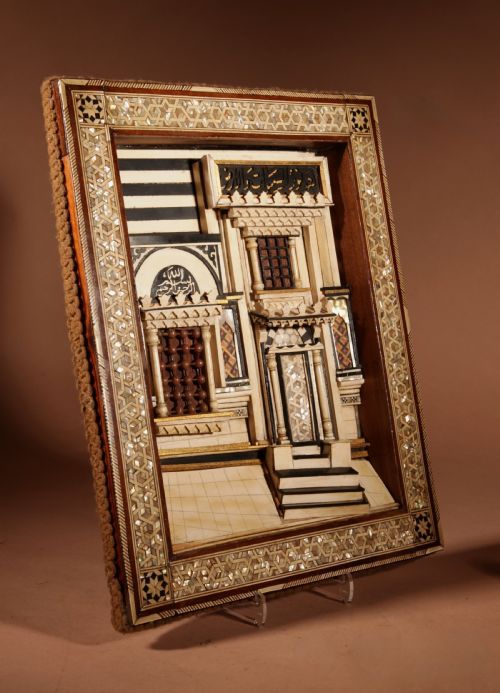
Intricate decoration relied on contrasting materials such as satinwood, fruitwood, brass, bone, mother-of-pearl, and silver-gilt. Craftsmen employed marquetry, parquetry, and meticulous wood mosaic techniques to fit these diverse elements flush within the primary surface.
Antique Inlaid Wood Panel Retail Price Guide 2026
Typical asking prices for inlaid wood panel among the pieces listed under this phrase on Sellingantiques today, from the lower quarter to the upper quarter. They describe what is for sale here now, not the wider market.
A leaping salmon caught in marquetry shows that turn-of-the-century craftsmen were just as likely to admire a good fishing trip as a grand palace.
Factors of distinction
The precision of the fit between the contrasting timbers and inserted materials determines the visual success of the surface. Superior examples demonstrate tight joints and seamless integration where different woods and metals meet.
The artistic ambition of the design and the depth of the carving or inlay work separate standard workshop production from exceptional studio pieces. Mastery of perspective, shading through heat-treated woods, and expressive detailing elevate the overall execution.
Rowley Gallery·Liberty and Co
The Antique Inlaid Wood Panel Glossary
- Marquetry
- The art of creating decorative patterns on a wooden surface by fitting together small pieces of veneer. This technique allows for complex pictorial scenes and flowing floral designs.
- Tunbridge Ware
- A distinct type of wooden mosaic work originating from Kent, featuring detailed geometric or pictorial motifs built from thousands of tiny tinted wood blocks. Each tiny square combines to form a precise mosaic image.
- Shibayama
- A Japanese craft style involving the inlay of precious materials such as bone, ivory, and mother-of-pearl into a wood or lacquer ground. These inlaid elements stand in low relief to create decorative figures and motifs.
- Parquetry
- A geometric mosaic of wood pieces used for decorative surfaces. It relies on regular repeating shapes rather than pictorial representation.
- Satinwood
- A lustrous, durable timber with a golden sheen, frequently employed in fine eighteenth and nineteenth-century cabinetmaking for contrasting highlights and stringing.
Antique Inlaid Wood Panel: Frequently Asked Questions
How do I hang a heavy wood panel safely?
Heavy panels require secure fixings into wall studs or solid masonry using appropriate brackets that can support the weight of dense hardwoods.
Ensuring the hanging wire or integrated mounting points distribute the load evenly prevents structural strain on the antique frame.
What is the difference between marquetry and parquetry?
Marquetry uses varied veneer pieces to form pictorial or floral scenes, requiring artistic skill in shaping and shading each element.
Parquetry constructs geometric patterns using regular, repeating shapes like squares, triangles, and diamonds to create repeating surface designs.
How should I clean an antique wood panel?
Dusting gently with a soft, dry cloth is sufficient for routine maintenance, avoiding modern chemical polishes that can degrade older finishes.
Applying a traditional beeswax sparingly helps nourish dry timber and preserves the natural lustre of the inlaid materials.
How do I date an inlaid wood panel?
Dating relies on identifying the primary timber, the style of the inlay work, and the construction methods used on the reverse or frame.
Comparing the decorative motifs against known periods like the Georgian era or the Arts and Crafts movement provides a reliable timeframe.