



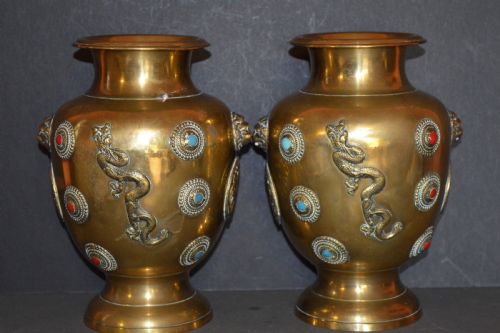


Antique Inlaid Jar
These antique inlaid jar examples bring together mixed metal, stone and tortoiseshell across international workshops.
Antique Inlaid Jar
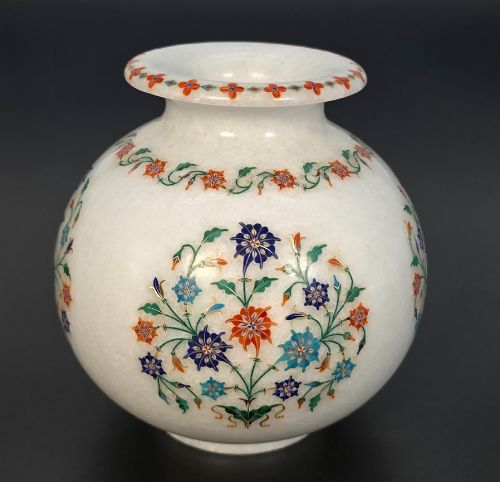
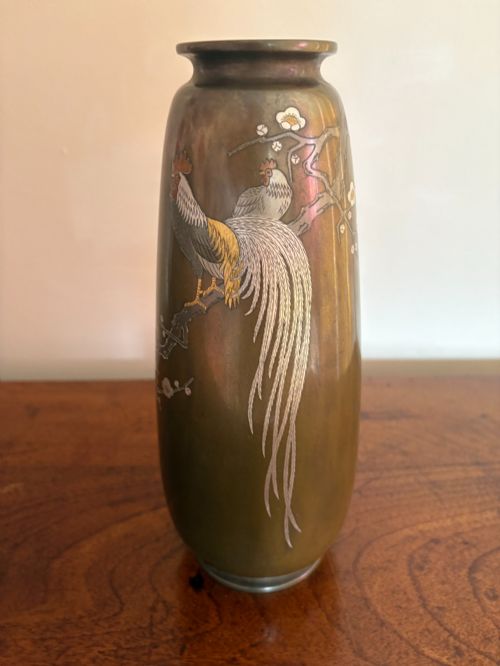
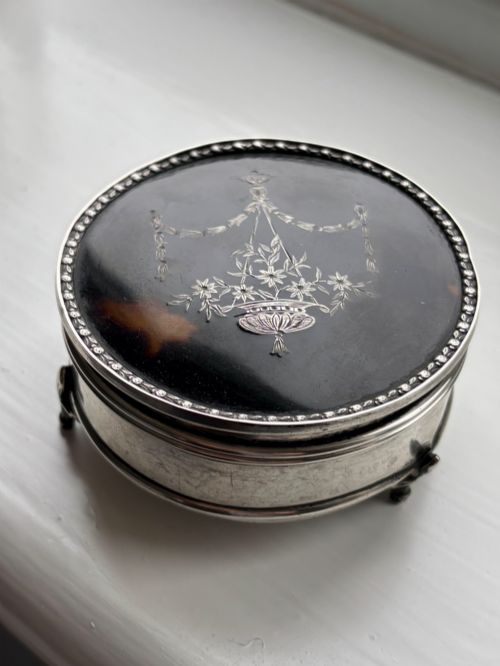
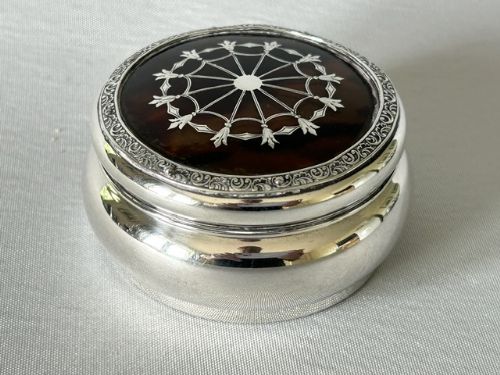
An antique inlaid jar encompasses decorative boxes, vanity cases, and vessels ornamented with contrasting materials set into a primary body. Buyers searching for an antique inlaid jar encounter items originating from British, Japanese, Moroccan, Indian, and Tibetan traditions. The selections span the Victorian, Edwardian, George V, and Meiji periods.
The domestic dressing table and desk categories dominate the items met here, alongside bronze and terracotta vases. Dressing table boxes, trinket boxes, and perfume bottles fitted with tortoiseshell, silver, and pique work appear frequently. Vessels decorated with silver cabochons, mixed metal highlights, or stone inlay represent the primary forms.
How they were made
Metals such as bronze, brass, copper, silver, and sterling silver form the structural bodies or mountings of many pieces. Artisans hammered, cast, or turned these metals before applying surface decoration or fitting inset panels. Artillery shells also served as the base medium for trench art items.
Organic and mineral materials provide contrast through precise insertion into the main body. Tortoiseshell, glass, terracotta, and marble receive pietra dura work, pique work, or metal mounts fixed securely by hand.
Antique Inlaid Jar Retail Price Guide 2026
Typical asking prices for inlaid jar among the pieces listed under this phrase on Sellingantiques today, from the lower quarter to the upper quarter. They describe what is for sale here now, not the wider market.
Listings span four distinct periods: the 19th Century, 1890, 1910, and 1920.
What varies in quality
The finesse of the surface embellishment dictates the standing of a piece within its category. Skilled handwork on mixed metal highlights, stone fitting, and tortoiseshell pique work separates standard containers from superior examples.
The integrity of the structural materials and the prestige of the maker or retailer influence value. Items bearing clear hallmarks or attributed to notable firms command stronger recognition among collectors.
KANASAWA·Ollivant & Botsford·Asprey & Co.
The Antique Inlaid Jar Glossary
- Pique work
- A method of inlaying tiny pins of gold or silver into tortoiseshell or ivory to create delicate patterns. This technique appears frequently on Edwardian dressing table items.
- Pietra dura
- An artistic process utilising cut and fitted polished coloured stones to create pictorial or geometric designs. It is seen on marble vessels from the Raj period.
- Mixed metal
- The combination of different metallic alloys, such as bronze, copper, silver, and gold, within a single decorative surface. Japanese Meiji period pieces use this method extensively.
- Cabochon
- A gemstone or polished mineral shaped in a convex form rather than faceted. These are often mounted in silver upon ceramic bodies.
- Trench art
- Objects made by soldiers, prisoners of war, or civilians from war materials and military debris. Artillery shells serve as the primary canvas for this work.
Antique Inlaid Jar: Frequently Asked Questions
What is an antique inlaid jar used for?
These pieces served practical and decorative functions in domestic spaces, holding cosmetics, trinkets, or perfumes on dressing tables and desks.
Larger metal or ceramic vessels functioned as ornamental vases in reception rooms and parlours.
How do I date an antique inlaid jar?
Dating relies on stylistic markers, hallmarks, and the specific materials characteristic of periods like the Victorian era, the Edwardian years, or the Meiji period.
Makers' marks and retailer signatures stamped into silver mounts provide precise chronological anchors.
How do I care for tortoiseshell and silver?
Tortoiseshell requires gentle dusting with a soft cloth and protection from direct sunlight and extreme temperature changes to prevent warping.
Silver mounts benefit from periodic light polishing with a non-abrasive cloth to maintain their finish without disturbing inset panels.
Where were these pieces made?
The listings demonstrate a diverse geographic range including workshops in Japan, Morocco, India, Tibet, and Britain.
Each region employed distinct regional materials, such as terracotta in North Africa and mixed metals in East Asia.