






Antique Inkwell Companion
An antique inkwell companion brings together the fittings for a traditional desk, keeping ink and pens ready.
Antique Inkwell Companion
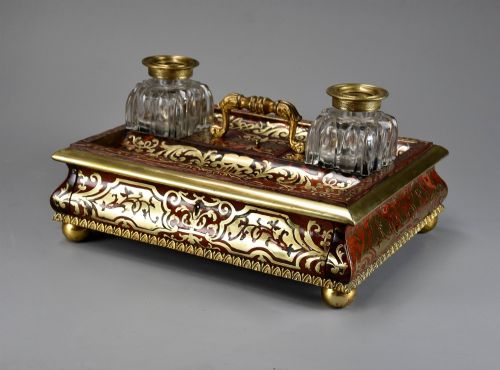
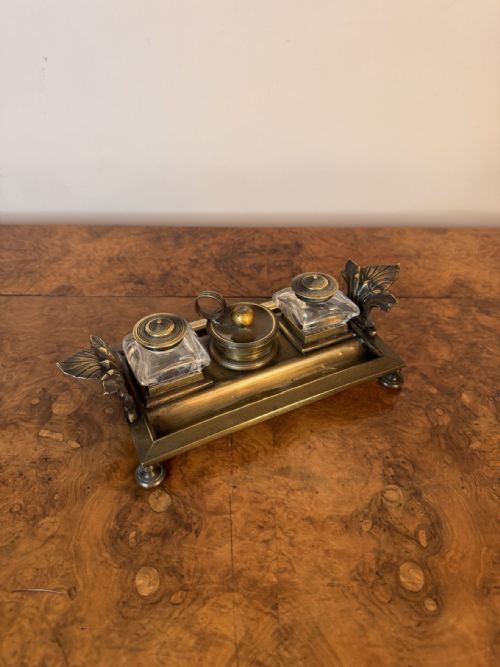
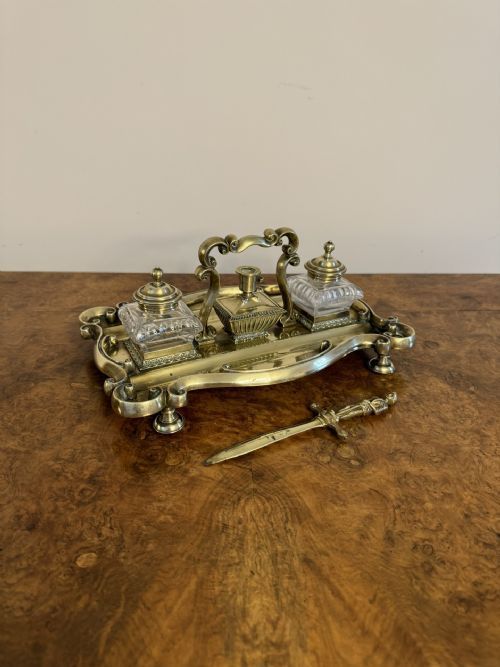
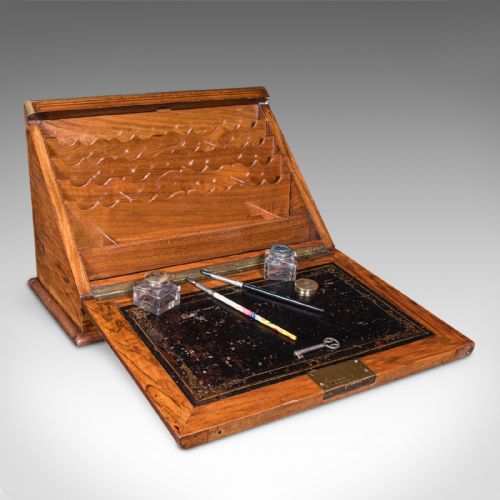
An antique inkwell companion gathers desk accessories onto a single base, often combining inkwells with stationery racks or pen trays. Buyers seeking an antique inkwell companion will find pieces predominantly from the nineteenth century, including Victorian and Regency examples.
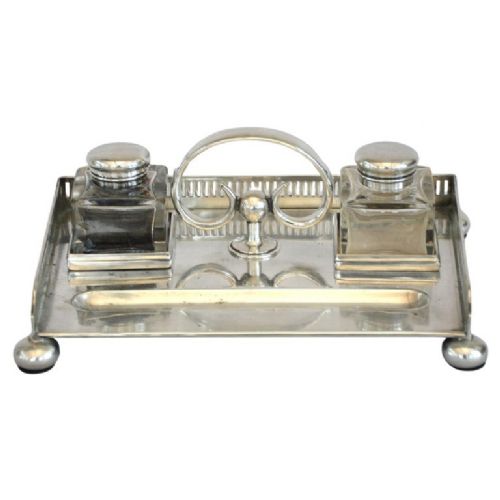
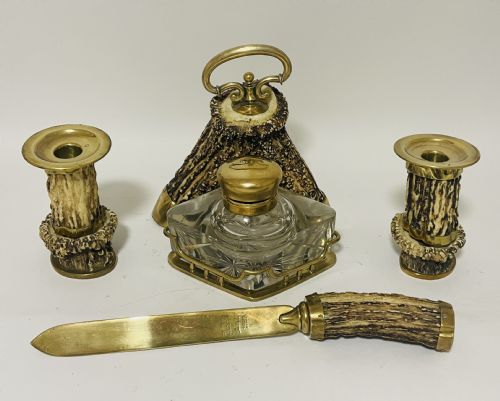
The forms range from simple wooden stands to elaborate double inkstands fitted with cut glass bottles and brass mounts. Many incorporate practical drawers or matching letter boxes designed for nineteenth-century correspondence.
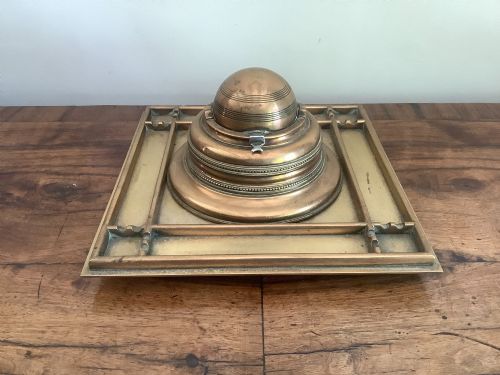
Materials vary from rich timbers such as walnut, rosewood and coromandel to metals including brass, silver plate and ormolu. These desk sets served as functional centrepieces for libraries and writing desks during the period.
How they were made
Cabinet makers constructed the wooden bases of these pieces using dense hardwoods like walnut, oak and coromandel, frequently incorporating brass inlay, tortoiseshell or mother of pearl. Metal components were cast in brass, bronze or ormolu, while glass inkwells were heavy, cut or moulded to fit snugly into dedicated recesses.
Silver plating and silver gilt finishes were applied to metal mounts and inkstand frames by firms operating in Birmingham and other manufacturing centres. Papier-mâché and papier-mâché variants received layered lacquer and hand-painted or inlaid ornamentation.
Antique Inkwell Companion Retail Price Guide 2026
Typical asking prices for inkwell companion among the pieces listed under this phrase on Sellingantiques today, from the lower quarter to the upper quarter. They describe what is for sale here now, not the wider market.
Desk accessories in this category span multiple forms from simple inkstands to complete writing stations and stationery cabinets.
What varies in quality
Quality depends on the precision of the cabinet work, the weight and clarity of the glass inkwells, and the intricacy of the metal mounts. Pieces utilising exotic timbers with fine brass stringing or intricate mother of pearl inlay stand apart from simpler utilitarian boxes.
The presence of matching original components, such as dual ink bottles with matching cut glass lids and integrated letter racks, elevates the standing of a desk set. Heavier gauge brass, fire-gilded ormolu, and signed maker elements distinguish the finest examples from standard production.
Walker And Hall·Marson And Jones·Moser
The Antique Inkwell Companion Glossary
- Inkstand
- A portable stand or tray holding one or more inkwells, sanders, and pen holders for use on a desk.
- Ormolu
- Gilded bronze or brass mounts applied to furniture and decorative objects for ornamentation.
- Coromandel
- A dense, dark brown timber with striking black figuring imported from Asia and used in high-end nineteenth-century cabinet work.
- Stationery box
- A desk accessory featuring upright partitions or compartments for storing writing paper, envelopes, and letters.
- Cut glass
- Glass decorated by cutting facets or patterns into the surface using a rotating wheel, commonly seen on nineteenth-century inkwell inserts.
Antique Inkwell Companion: Frequently Asked Questions
What is an antique inkwell companion?
An antique inkwell companion is a desk accessory set designed to hold inkwells, pens, and writing materials together on a wooden or metal base. These pieces formed standard equipment on nineteenth-century writing desks and library tables.
They range from simple single-bottle stands to large multi-piece sets incorporating stationery boxes, letter racks, and drawers. The design allowed writers to keep their correspondence tools organised in one place.
How were these desk sets used?
These desk stands provided a stable platform for dipping steel nibs or quill pens into liquid ink without spilling onto paper. The accompanying compartments stored envelopes, blotting paper, and letters awaiting dispatch.
In a nineteenth-century study or office, the inkstand remained permanently on the desk surface. Users lifted the glass stopper or hinged lid to access the ink reservoir whenever they needed to write.
How do I date a Victorian inkstand?
Dating relies on the prevailing style of the woodwork, metal mounts, and the manufacturing techniques used for the glass inkwells. Victorian pieces often feature heavy walnut, brass galleries, or papier-mâché with mother of pearl inlay.
Makers' marks stamped into silver-plated mounts or metal frames can also narrow down the production year. Stylistic details like Regency rosewood or Edwardian oak further help place the piece within a specific decade.
How do I care for wooden and brass desk stands?
Wooden bases benefit from occasional applications of appropriate furniture wax to nourish the timber and protect the finish. Brass mounts and silver-plated surfaces should be kept dry and dusted gently with a soft cloth.
Glass inkwells can be removed and washed with warm soapy water to clear out dried ink residue. Avoid using harsh chemical cleaners on antique finishes and delicate inlaid materials.