




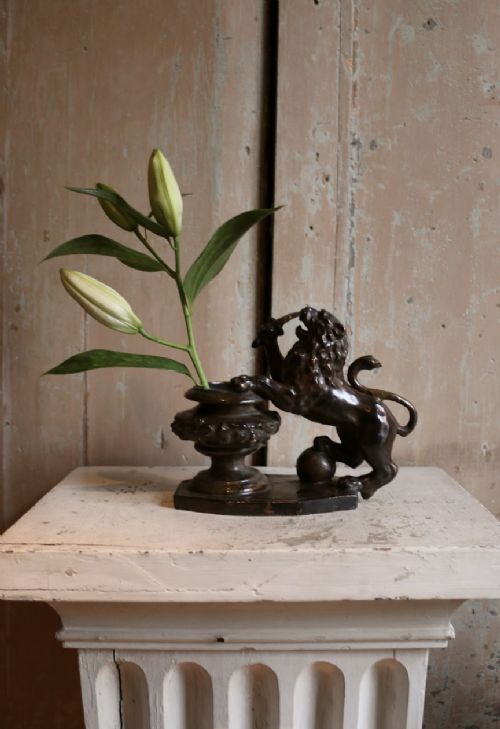


Antique Inkpot
An antique inkpot sits on the desk as a small, heavy vessel made to hold ink before the fountain pen took over.
Antique Inkpot
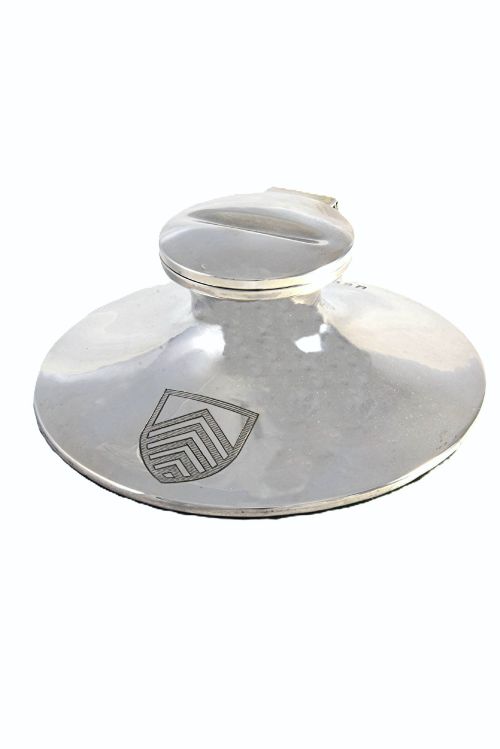
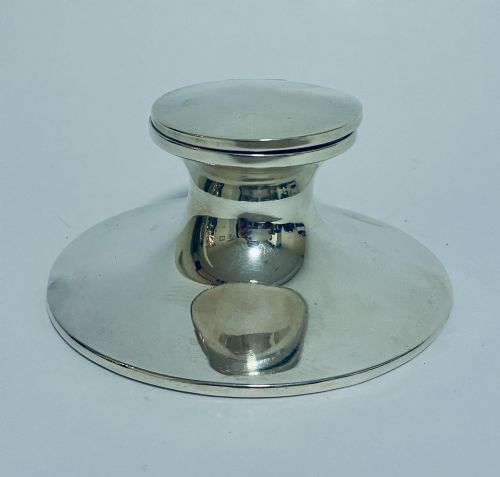
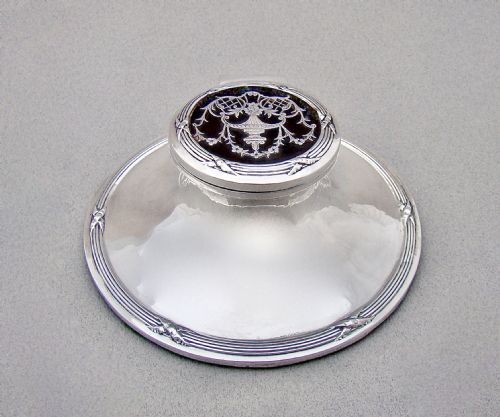
An antique inkpot covers everything from simple glass wells to elaborate desk stands fashioned from brass, bronze, and sterling silver. Buyers find pieces ranging from late Georgian travelling items to Edwardian capstan designs.
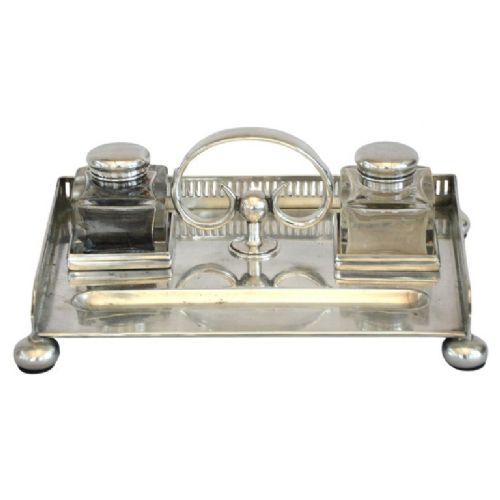
The material varies widely across the inventory, taking forms like cut glass, porcelain, tortoiseshell, and carved wood. Many pieces include integrated pen rests or form part of larger double inkstands.
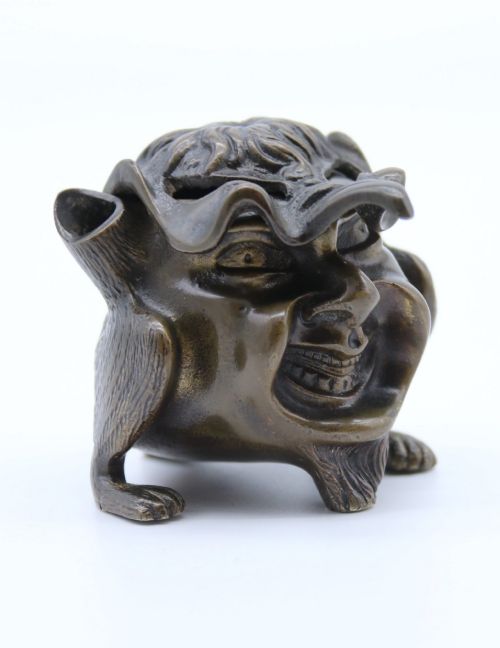
Novelty items form a distinct group within these desk accessories, showing carved bears, owls with glass eyes, and grotesque creatures. These functional objects doubled as decorative ornaments for the Victorian and Edwardian writing desk.
How they were made
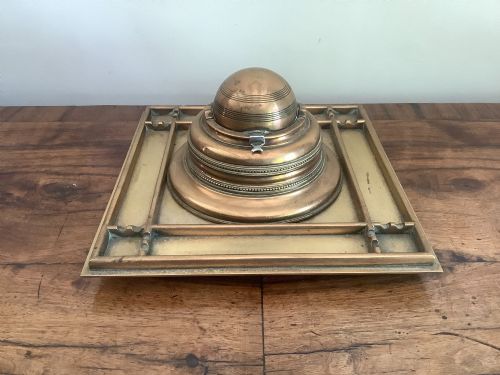
Metal components rely on traditional casting methods, utilising brass, bronze, or ormolu, sometimes paired with marble bases. Silversmiths shaped sterling silver and silver plate into capstan forms and intricate desk stands.
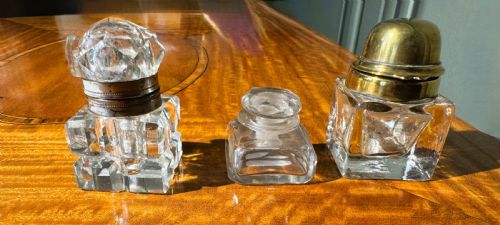
Glass vessels feature heavy cut glass or iridescent art glass blown into moulds and ground smooth at the rim. Ceramic and porcelain examples utilise painted glazes, including Delft scenes and blue and gold motifs.
Organic materials receive specialist carving, seen in Black Forest wooden bears, horn cornucopias, and tortoiseshell panels mounted to silver frames.
Antique Inkpot Retail Price Guide 2026
Typical asking prices for inkpot among the pieces listed under this phrase on Sellingantiques today, from the lower quarter to the upper quarter. They describe what is for sale here now, not the wider market.
Desk accessories span multiple eras, encompassing Georgian Sheffield plate, Victorian novelty animals, and Art Nouveau glass.
What varies in quality
Quality rests in the crispness of the casting and the weight of the materials used in the construction. Heavy gauge silver and well-modelled bronze command attention over lighter plated alternatives.
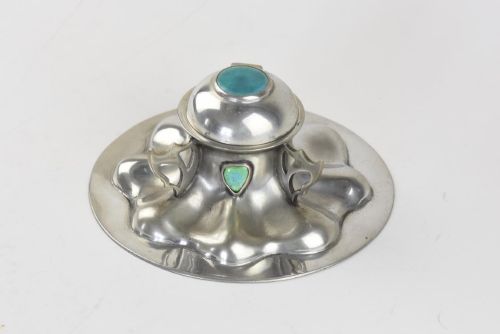
The integration of decorative elements dictates the tier of the piece, such as hand-painted guilloche enamel, Ruskin cabochons, or finely detailed glass eyes in novelty animal subjects.
Makers' marks and hallmarks provide clear attribution, separating standard commercial desk wares from pieces produced by notable silversmiths and bronze founders.
William Hutton·Henry Matthews·Walker And Hall·Tiffany And Co·Kralik·Loetz·Albert Marionnet·Daniel Holy·Jules Dalou
The Antique Inkpot Glossary
- Capstan inkwell
- A desk inkpot shaped like a ship's capstan, featuring a wide base that tapers upwards toward the hinged lid. This design prevents the inkpot from tipping over easily during use.
- Inkstand
- A fitted tray or stand holding one or more inkpots alongside pen rests and sometimes a taper holder. These larger desk sets formed the centrepiece of the Victorian writing table.
- Ormolu
- Gilded bronze used extensively for decorative mounts and desk accessories during the nineteenth century. The technique involves applying a mercury and gold amalgam to the bronze surface.
- Guilloche
- An intricate mechanical engraving technique producing precise, repeating geometric patterns beneath a translucent enamel layer. It appears frequently on Edwardian silver lids.
- Cabochon
- A gemstone or piece of glass polished into a convex, rounded shape rather than faceted. These stones often accent Arts and Crafts metalwork.
Antique Inkpot: Frequently Asked Questions
What is a capstan inkpot?
A capstan inkpot takes its sloping, wide-bottomed shape from the nautical equipment used to haul anchors on sailing ships. The broad base ensures stability on a writing desk.
Silversmiths favoured this silhouette through the Victorian and Edwardian periods for both single and double desk accessories.
How were glass inkwells made?
Glass inkwells were typically heavy-blown or mould-pressed to withstand the daily pressure of dipping metal nibs. Cut glass variants feature hand-ground facets that catch the light on the desk.
Iridescent art glass examples from makers like Loetz relied on chemical treatments applied during cooling to create shimmering surface sheens.
Can I still use an antique inkpot?
Many antique inkpots retain their original glass or ceramic liners, making them suitable for holding modern fountain pen ink. Ensure any metal lid hinges move freely before filling.
Check for hairline cracks in glass inserts to prevent leaks onto your wooden writing surface during use.