

Antique Indian Wood Carving
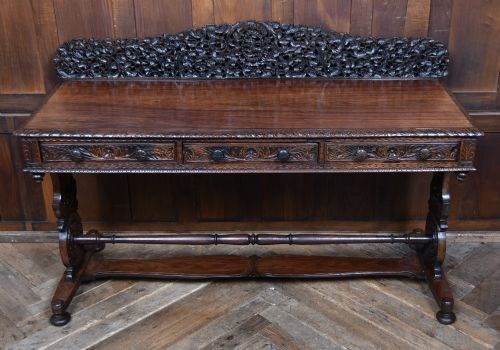
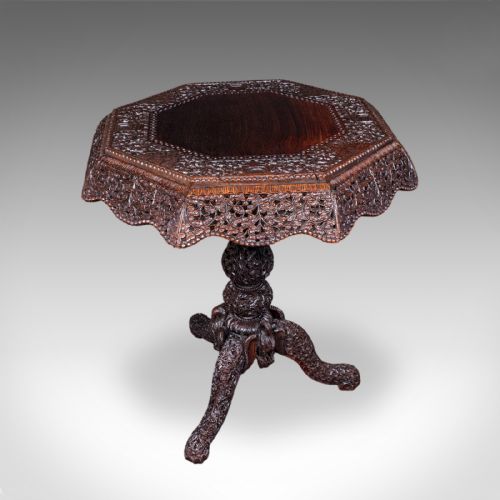
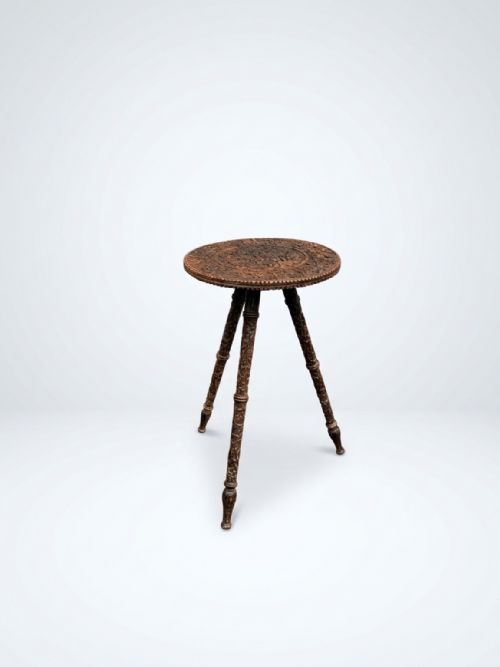
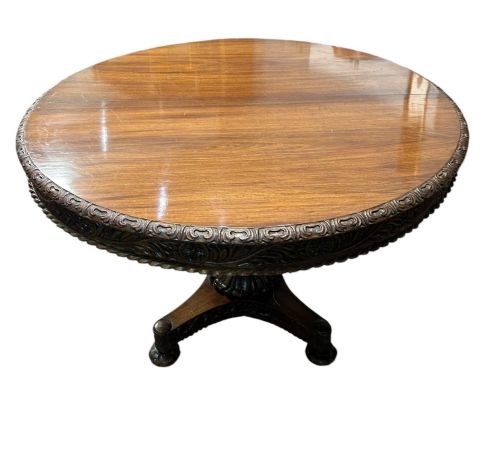
These pieces of antique Indian wood carving bring deep relief, rich grain and complex regional styles into domestic rooms.
Antique Indian Wood Carving
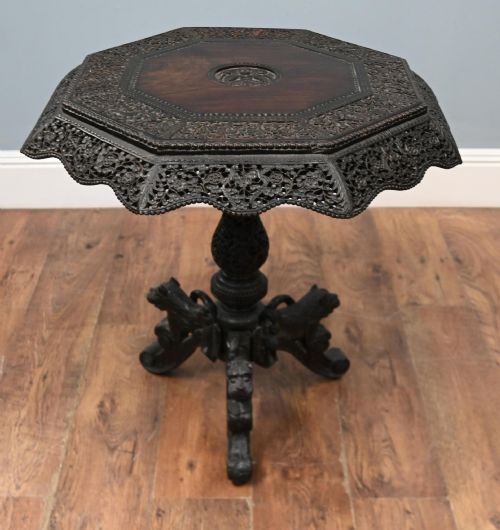
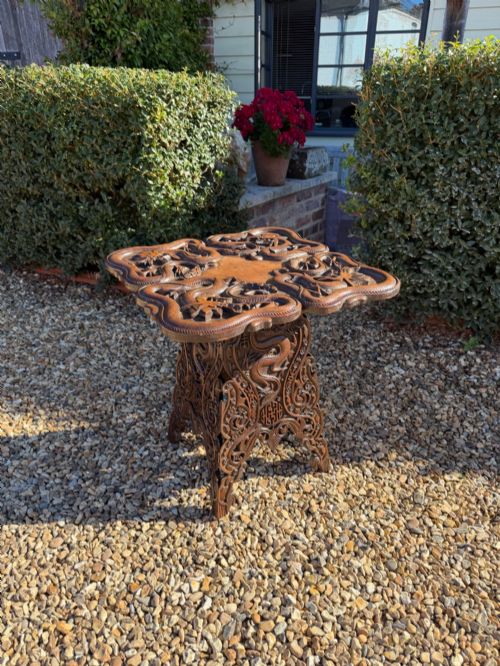
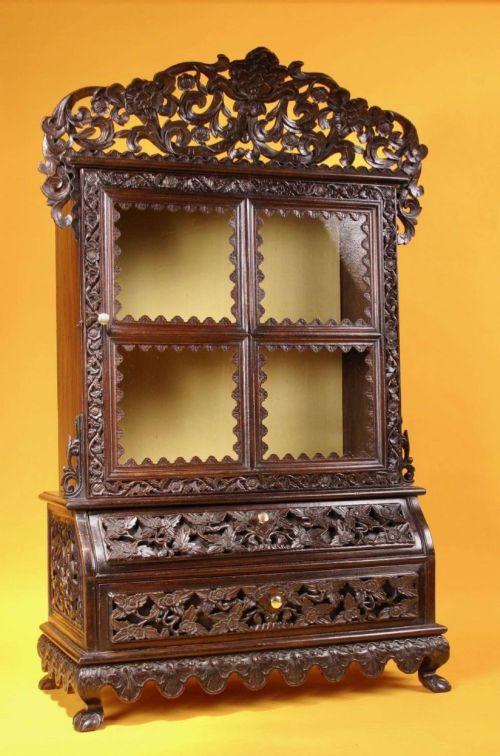
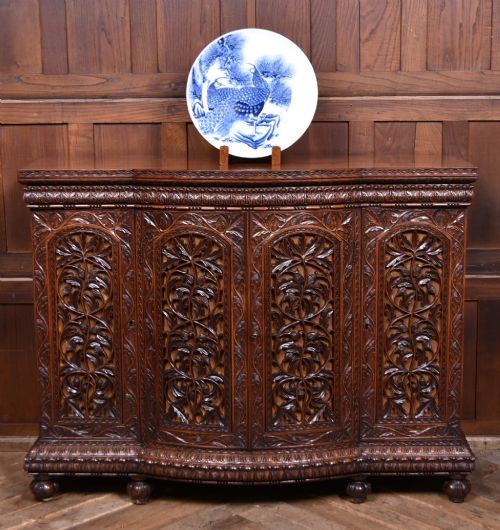
An antique Indian wood carving brings sculptural depth and dense botanical motifs into living spaces through practical furniture and decorative objects. Buyers searching this phrase encounter substantial forms ranging from occasional tables and armchairs to storage chests and cabinets. The pieces seen here span the nineteenth century and early decades of the twentieth century, reflecting varied regional production during the Raj and colonial periods.
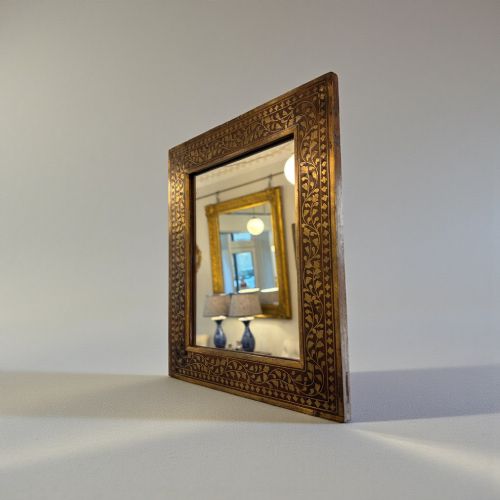
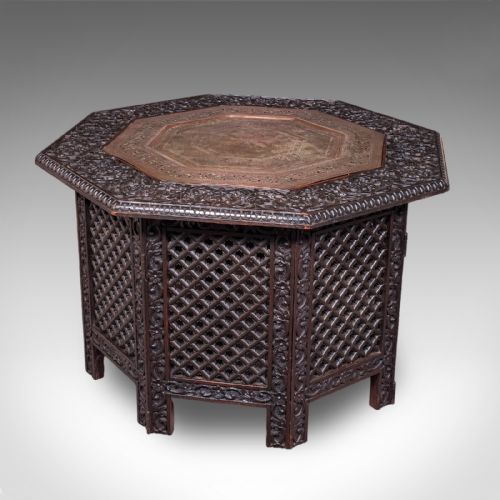
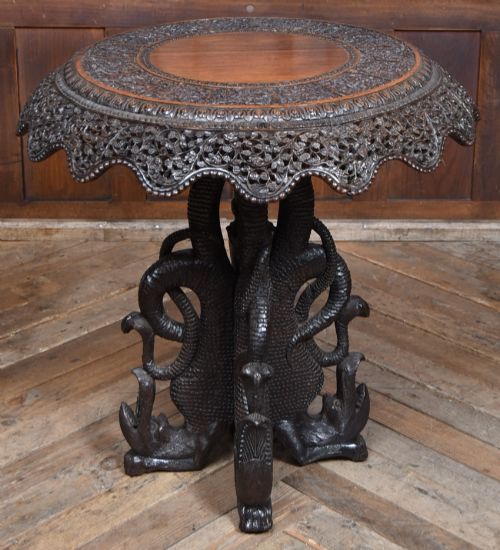
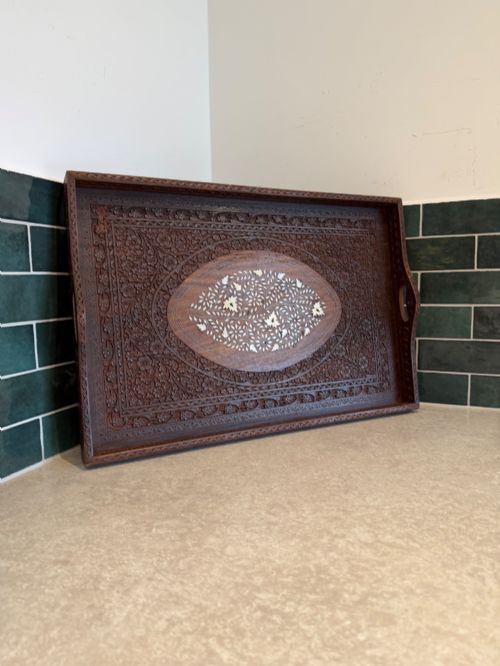
The selection includes specialised regional types such as octagonal Hoshiarpur tables with intricate inlay, padauk centre tables, and carved teak bookcases. Smaller decorative items like trays, picture display easels and sculptural figures also appear alongside larger seating suites and wardrobes. Most examples showcase the dense carving traditions associated with Anglo-Indian, Kashmiri and Swat Valley workshops.
How they were made
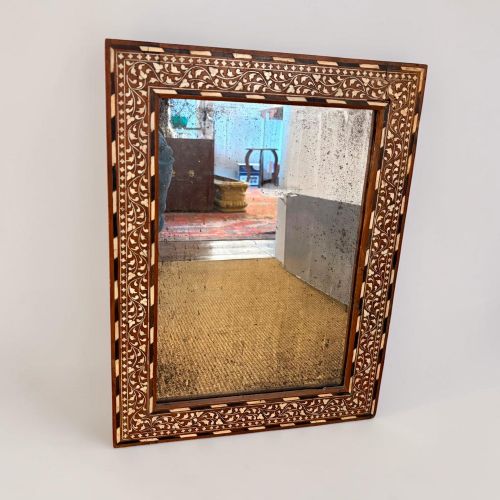
Artisans carved dense timbers such as teak, rosewood, padauk, ebony and sandalwood using traditional hand chisels to achieve high-relief foliage and figural scenes. These heavy hardwoods provided a stable base for intricate undercutting and pierced fretwork without splitting along the grain. Many surfaces feature contrasting inlay materials set directly into the wood, including brass wire, bone and mother of pearl.
Joinery methods relied on traditional pegging and framing techniques suited to tropical timbers that respond to shifting humidity. Tables often utilised folding or octagonal bases designed for dismantling or compact placement, while larger cabinets and storage chests employed robust panel construction.
Several tables include carved wooden elephant tusks, offering a charmingly literal interpretation of animal form within nineteenth-century occasional furniture.
What varies in quality
Quality rests upon the crispness of the chisel work and the depth of the relief carving across the primary surfaces. Superior examples display sharply defined botanical details and balanced symmetry without awkward crowding in the corners. The choice of timber also dictates standard, with dense native hardwoods like padauk, ebony and sandalwood holding finer detail than softer secondary woods.
The precision of inlaid elements such as brass or mother of pearl distinguishes standard execution from exceptional work. Tightly fitted inlay flush with the surrounding timber surface indicates patient craftsmanship, whereas gaps or raised edges suggest hasty assembly.
The Antique Indian Wood Carving Glossary
- Anglo-Indian
- A descriptive term for furniture and decorative items made in India during the British period, combining local timber and carving skills with European furniture forms.
- Hoshiarpur
- A North Indian centre renowned for intricate woodwork characterised by dense geometric and floral carving combined with delicate inlay.
- Padauk
- A heavy, durable tropical hardwood with a reddish-brown hue favoured for substantial nineteenth-century tables and cabinets.
- Sandalwood
- A fragrant, fine-grained wood utilised for small decorative boxes and caskets that accept extremely shallow, crisp carving.
- Tilt-top table
- A table featuring a hinged mechanism allowing the top to pivot vertically for storage against a wall when not in use.
Antique Indian Wood Carving: Frequently Asked Questions
How do I care for antique carved wooden furniture?
Maintain stable indoor humidity levels and keep pieces away from direct heat sources to prevent the dense timber from splitting.
Apply a microcrystalline wax sparingly to nourish the grain and protect the carved recesses from accumulating dust.
What is an octagonal Hoshiarpur table?
An octagonal table originating from the Punjab region featuring folding geometric panels and intricate inlaid patterns.
The surface typically combines wood carving with brass, bone or wire work arranged in repeating geometric motifs.
Are these pieces made from solid timber?
The listings consist of solid tropical hardwoods such as teak, rosewood, padauk and ebony rather than veneered carcases.
This robust construction allowed artisans to carve deep relief directly into the structural elements of the furniture.
How do I identify Raj period furniture?
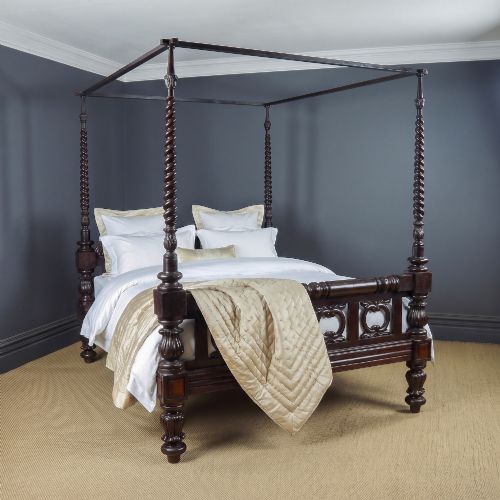
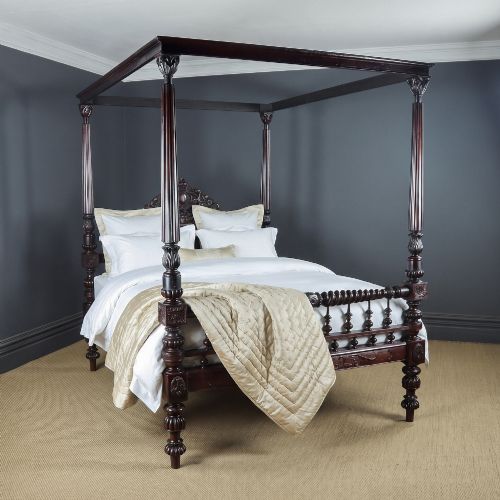
Raj period items combine traditional Indian carving techniques with standard nineteenth-century British furniture forms like four-poster beds and sideboards.
They frequently employ heavy regional timbers and depict dense foliage, animals or figural scenes characteristic of colonial commission work.