



Antique Indian Arms
Antique Indian arms bring together centuries of steel blades and matchlocks alongside colonial seating built from heavy teak and rosewood.
Antique Indian Arms
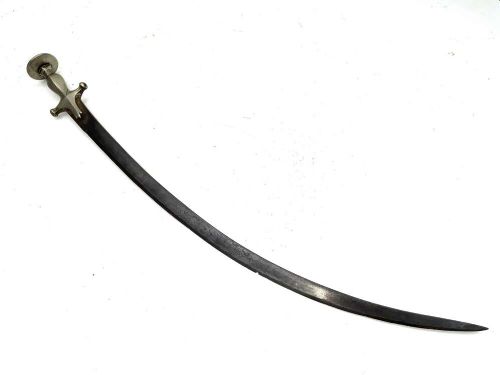
When you search for antique indian arms, you encounter a distinct cross-section of edged weapons, firearms, and heavy colonial seating stemming from centuries of craftsmanship. The selection spans swords such as the katar, tulwar, and kora-type blades, alongside matchlock muskets originating from regions like Bundelkhand and Malabar.
Alongside military accoutrements, the listings encompass domestic forms such as plantation chairs, settees, and campaign boxes connected to British colonial presence in the region. These pieces bridge martial history and domestic furniture, reflecting diverse periods from the seventeenth century through to the early twentieth century.
The objects most frequently met on this page combine functional weaponry with decorative forms, often displaying regional specificities from North India, Rajasthan, and South India. Each category carries the stylistic markers of Indo-Persian, Mughal, and Anglo-Indian design traditions.
Materials and construction
The construction of these pieces relies heavily on robust metals and dense timbers suited to their specific functions. Steel and iron form the blades and barrels of swords and matchlock muskets, while teak, padauk, and rosewood provide the structural integrity for armchairs and planter's chairs.
Listings span periods from the 17th century through the Victorian era, uniting steel, teak, and silver in various forms.
Assessing quality and execution
Quality in these items rests upon the precision of the metalwork and the intricacy of the carving or inlay. Superior examples display refined engraving on steel blades and complex, secure fitting of bone, brass, or silver mounts on matchlock barrels.
In furniture, the distinction lies in the depth of the carving and the preservation of original materials like leather and dense hardwoods. Pieces that maintain their structural cohesion alongside intricate decorative detailing represent the upper tier of the range.
The Antique Indian Arms Glossary
- Katar
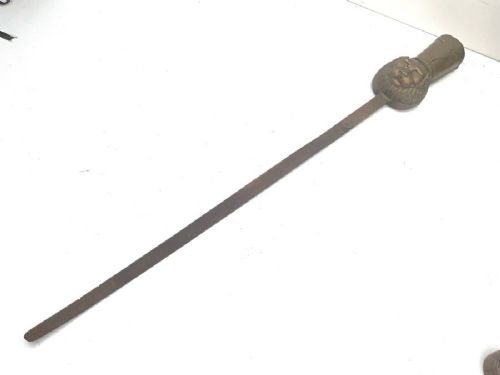
- A push dagger featuring an H-shaped horizontal grip that allows the user to deliver a punching blow. This form is particularly associated with South India and Rajasthan.
- Toradar
- A traditional South Asian matchlock musket. These firearms often feature long barrels secured with extensive banding.
- Pash Kabz
- A single-edged dagger with a T-section spine designed to pierce armour. Originating in Persia, it became popular across Mughal India.
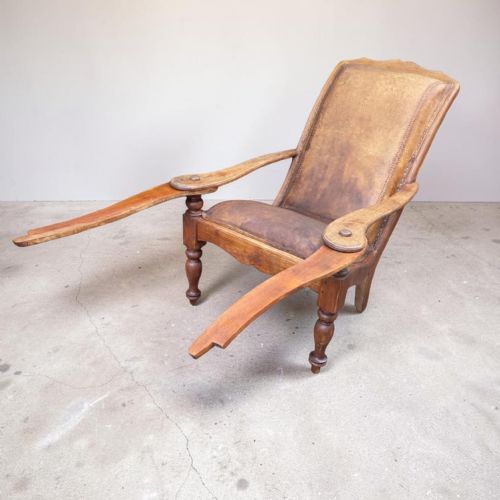
- Planter's chair
- A large armchair featuring extended, sloping arms designed for reclining. These chairs are frequently constructed from teak or rosewood during the colonial period.
Antique Indian Arms: Frequently Asked Questions
What are antique Indian arms?
Antique Indian arms encompass edged weapons, matchlock firearms, and related military or colonial items produced across the subcontinent. They include functional pieces like swords and muskets alongside campaign equipment.
These items reflect the varied regional and stylistic influences of Mughal, Indo-Persian, and British colonial periods.
How do I identify a matchlock musket?
A matchlock musket, or toradar, is identified by its long metal barrel and the matchlock firing mechanism. Many examples feature extensive metal or bone inlay along the stock.
They date primarily from the eighteenth and nineteenth centuries and often originate from specific areas like Bundelkhand or Malabar.
How do I care for antique steel weapons?
Antique steel weapons require a stable environment with controlled humidity to prevent active corrosion on the blades and barrels. Light applications of appropriate conservation oils help protect the metal surfaces.
Handling should be minimised, and any original leather or inlay work requires specific care suited to organic materials.