




Antique Hunter Figurine
These antique hunter figurine examples capture sporting subjects across multiple eras, offering sculptural presence and historical charm for your mantelpiece.
Antique Hunter Figurine
When you search for an antique hunter figurine, you encounter a varied selection of sculptural representations depicting huntsmen, horses, hounds, and sporting pursuits. The inventory spans several notable periods, from early nineteenth century porcelain to later twentieth century interpretations.
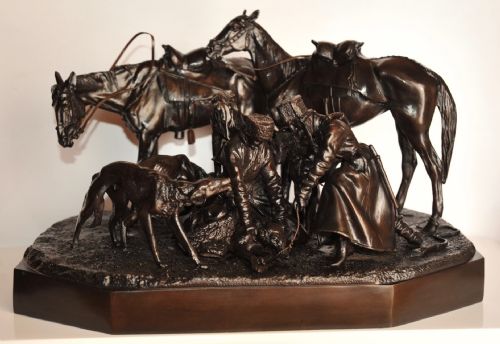
You are most likely to meet Victorian Staffordshire pottery figures alongside continental bronzes and spelter groups. These pieces range from modest earthenware table ornaments to larger, detailed bronze studies cast in animalier and rococo revival styles.
The subjects encompass mounted horsemen, foot hunters with dogs, and mythological putto figures engaged in the hunt. Each piece reflects the aesthetic priorities of its specific decade, connecting your interior to historical collecting traditions.
How they were made
Materials utilised across these listings include cast bronze, earthenware pottery, porcelain, and spelter, often enhanced with enamel glazes, marble bases, or touches of gold leaf. Bronze examples rely on traditional lost-wax casting techniques to capture muscle definition and dynamic motion in figures like the bay hunter horse.
Pottery figures such as the Staffordshire earthenware pieces are hand-shaped and painted with coloured glazes before being fired in kilns. Enamel glaze applications and surface details reflect the craftsmanship typical of Victorian potteries and continental factories.
Antique Hunter Figurine Retail Price Guide 2026
Typical asking prices for hunter figurine among the pieces listed under this phrase on Sellingantiques today, from the lower quarter to the upper quarter. They describe what is for sale here now, not the wider market.
Some Victorian Staffordshire potters dedicated their kilns entirely to immortalising stout huntsmen and spotted hounds.
What varies in quality
The sophistication of the composition also dictates distinction, as seen in the balance between horse and rider or the integration of naturalistic bases. Maker attribution and the fidelity of surface patination further elevate the standing of individual pieces within their respective material groups.
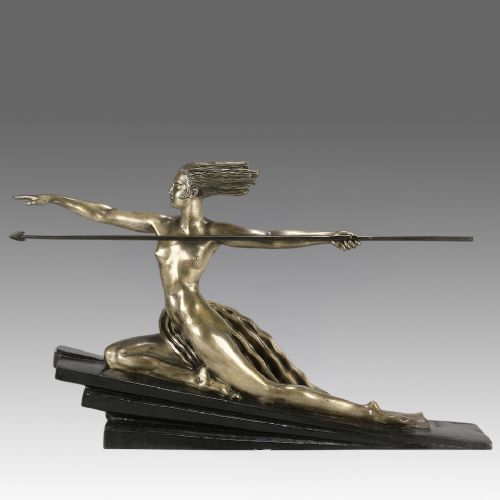
Royal Capodimonte Factory·Chiparus·Franz Bergman·Isidore Bonheur·Nikolai Lieberich
The Antique Hunter Figurine Glossary
- Animalier
- A nineteenth-century artistic style focusing on the realistic portrayal of animals, frequently seen in bronze sculptures of horses and hounds. This genre prioritises anatomical accuracy and dynamic movement.
- Spelter
- A zinc alloy used as a cost-effective substitute for bronze, frequently finished with patination to mimic heavier metal. It appears in decorative Art Deco figural groups.
- Earthenware
- A porous pottery fired at lower temperatures, commonly utilised for Victorian Staffordshire figures and hand-painted with coloured glazes. It requires a protective glaze to hold liquids and resist wear.
- Lost-wax casting
- A metalworking method where a molten alloy is poured into a mould created by surrounding a wax model with a ceramic shell. This technique allows for intricate detailing in bronze sculptures.
- Rococo Revival
- A design style inspired by eighteenth-century aesthetics, characterised by ornate ornamentation, asymmetrical curves, and scrollwork. It influences the decorative bases and clothing details of period figures.
Antique Hunter Figurine: Frequently Asked Questions
What periods do these figurines come from?
The pieces span the nineteenth and early twentieth centuries, encompassing eras such as the Victorian period, the Edwardian years, and the Art Deco movement. You will find items dated across the eighteen-hundreds up to the nineteen-thirties.
Each period imparts distinct material choices and artistic styles, allowing you to match a figure to a specific historical interior aesthetic.
How should I display my sculpture?
These figures suit placement on sturdy mantelpieces, wooden sideboards, or dedicated display cabinets where their material qualities can be appreciated. Bronze and spelter works benefit from stable, level surfaces away from excessive moisture.
Ceramic figures require placement where they remain secure from accidental knocks, given their earthenware construction.
How do I care for bronze and pottery?
Bronze and spelter sculptures generally require only gentle dusting with a soft, dry cloth to preserve their patination and prevent dust buildup. Avoid using harsh chemical cleaners that might strip the original surface finish.
Earthenware pottery similarly benefits from dry cleaning methods, keeping moisture away from unglazed areas or historic painted surfaces.
What is the difference between bronze and spelter?
Bronze is a durable copper alloy capable of holding fine sculptural detail and acquiring a rich natural patina over centuries of handling. It represents a higher tier of metalwork.
Spelter is a softer zinc-based metal utilised as an alternative material in decorative art objects, often identifiable by its lighter weight and different surface resonance.