




Antique House Illustrations
Antique house illustrations capture domestic and architectural histories on paper, offering collectors a tangible link to past interiors and estates.
Antique House Illustrations
Antique house illustrations encompass architectural plans, interior watercolours, and landscape views executed on paper during the eighteenth and nineteenth centuries. These works record specific buildings, rooms, and country seats such as Westwood House and Newstead Abbey.
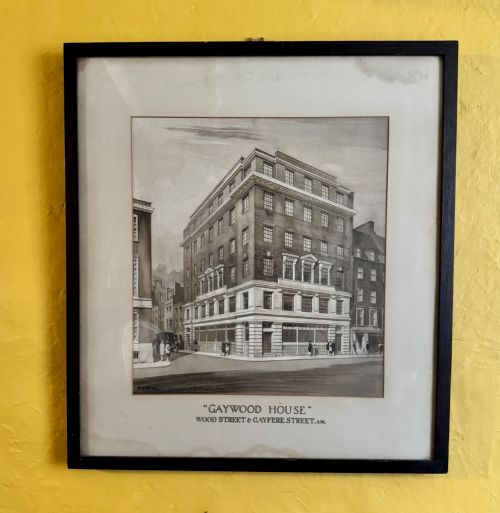
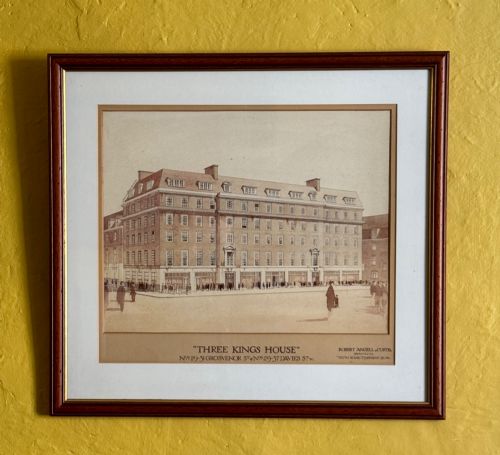
The most common examples on this page are Victorian watercolours and nineteenth-century framed prints depicting domestic interiors, architectural facades, and gardens. They bridge the gap between fine art and historical document, preserving lost spaces.
Makers and artists range from named painters like Peter Tillemans to anonymous English school draftsmen working in monochrome ink, watercolour, and lithography.
Materials and technique
These works rely fundamentally on paper supports, utilising mediums such as watercolour, monochrome ink, and lithography to capture architectural detail and domestic scenes. Artists applied fine washes and sharp ink lines to delineate stone, timber, and glass.
Framing materials reflect the period of presentation, employing wood, gilt wood, and giltwood frames to protect and display the paper works. Gold leaf accents occasionally highlight the mouldings of these period frames.
Antique House Illustrations Retail Price Guide 2026
Typical asking prices for house illustrations among the pieces listed under this phrase on Sellingantiques today, from the lower quarter to the upper quarter. They describe what is for sale here now, not the wider market.
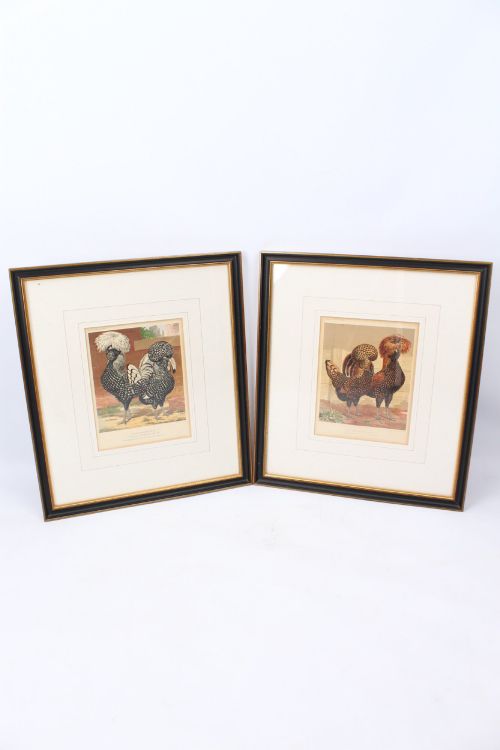
Some nineteenth-century houses clearly harboured very well-fed poultry, judging by the spirited depictions of nineteenth-century farmyard birds.
Evaluating quality and execution
Quality rests upon the precision of the draughtsmanship and the clarity of the architectural perspective, distinguishing skilled topographical artists from amateur recorders. Hand-coloured details and nuanced watercolour washes demonstrate superior artistic competence over basic mechanical reproduction.
The survival of the original paper and framing materials dictates the integrity of the piece, with well-preserved ink and pigment maintaining the historical legibility of the house or interior depicted.
Peter Tillemans·Rev B. Morris
The Antique House Illustrations Glossary
- Lithograph
- A print made from a design drawn on a flat stone or metal plate. This technique allowed for the efficient reproduction of architectural plans and illustrations.
- Watercolour
- A paint consisting of natural pigment suspended in a water-soluble vehicle. It was widely used for rapid sketching and finished interior views.
- Giltwood
- Wood that has been treated with a thin layer of gold leaf or gold paint. Frames utilising this finish were common for displaying important nineteenth-century works.
- Monochrome
- A painting or drawing executed in a single colour or shades of one colour. Ink drawings often utilised this method to emphasise architectural lines.
- Topographical
- Relating to the accurate representation of specific places and landscapes. Many house illustrations serve a topographical function by recording actual country seats and gardens.
Antique House Illustrations: Frequently Asked Questions
What is an antique house illustration?
These pieces are historical artworks on paper depicting architectural plans, domestic interiors, and notable country houses. They originate from periods ranging from the eighteenth century through to the early twentieth century.
Created using media such as watercolour, ink, and lithography, they serve as both fine art and documentary records of historic domestic spaces.
How were these architectural works used?
Original watercolours and prints were typically commissioned to record family estates, architectural designs, or notable gardens. They hung in private libraries, drawing rooms, and studies.
Over time, they transitioned from private records of ownership and design to collectable artworks valued for their historical interior detail.
How do I date an illustration?
Dating relies on stylistic evidence, costume in figures, framing materials, and inscribed dates on the paper or reverse. Victorian pieces often feature specific framing styles and distinct paper weights.
Comparative analysis with known works by artists from the eighteenth and nineteenth centuries also helps establish a reliable timeframe for the creation of the piece.
How should I display them at home?
Paper works require careful placement away from direct sunlight to prevent the fading of watercolours, inks, and hand-coloured details. Preserving them within their original wood or giltwood frames maintains their period character.
Stable indoor humidity levels protect both the fragile paper support and the antique wooden framing components over time.