

Antique House Chairs
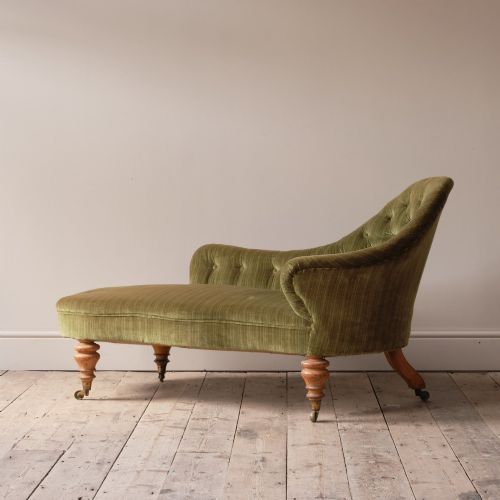
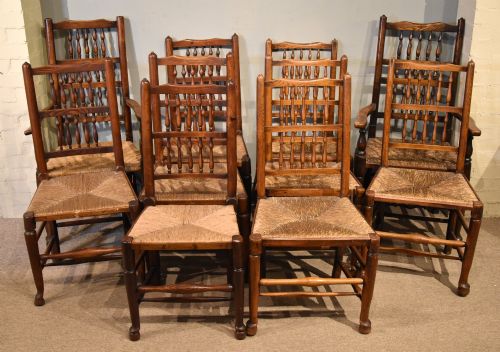
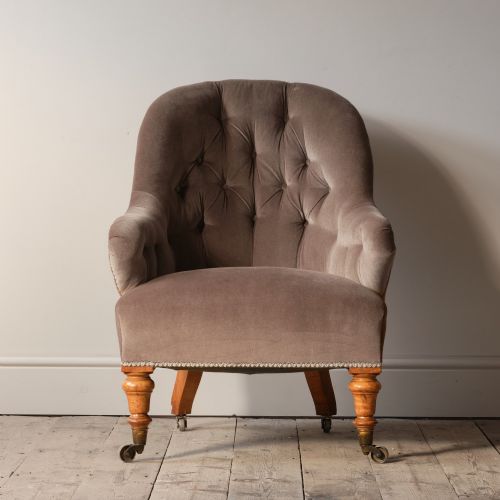
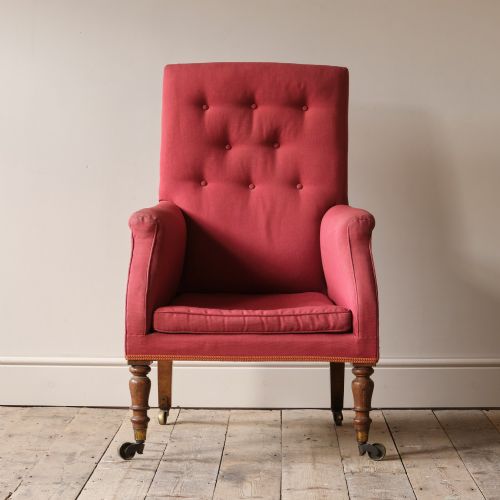
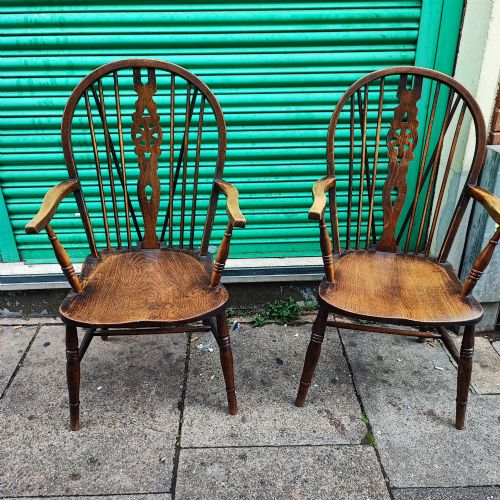
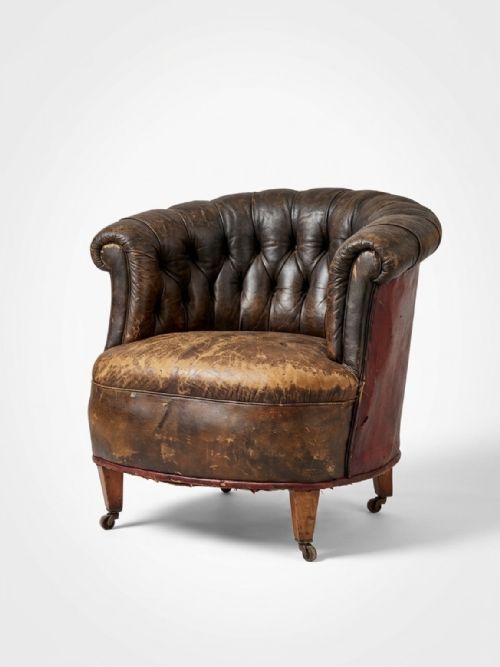
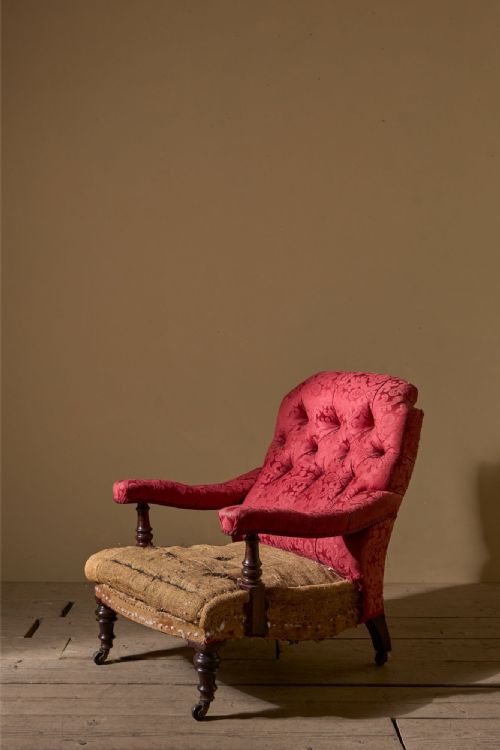
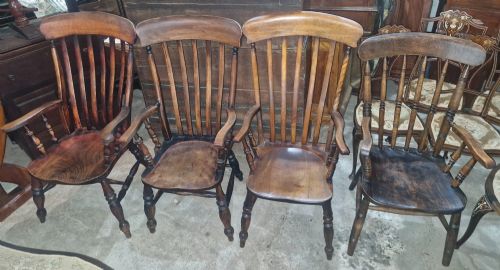
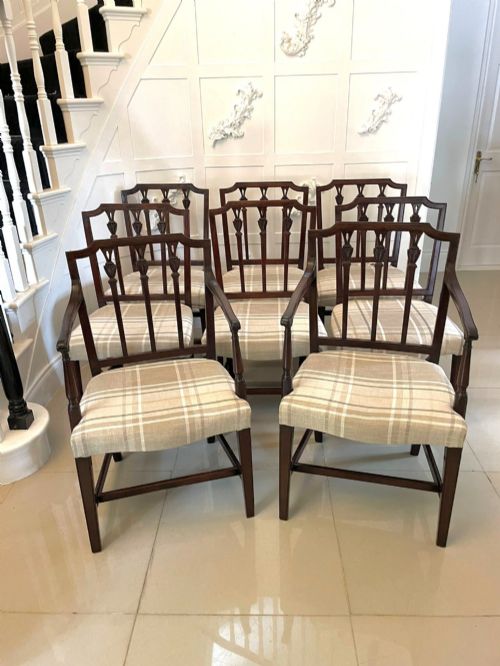
These antique house chairs span from sturdy elm kitchen Windsor chairs to mahogany George III dining seats and deep leather armchairs.
Antique House Chairs
Antique house chairs encompass a wide variety of seating built for domestic interiors, ranging from formal mahogany dining chairs to utilitarian kitchen furniture. When buyers search for antique house chairs, they typically encounter nineteenth-century pieces alongside Georgian and Edwardian examples fashioned for specific rooms within a residence.
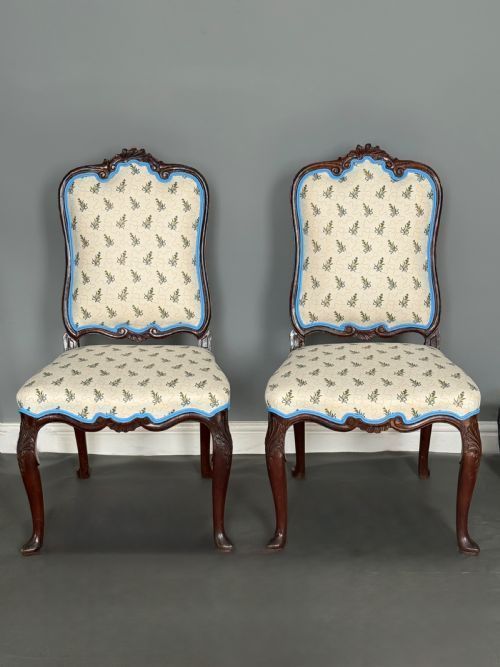
The selection includes dining chairs, side chairs, benches, and substantial armchairs designed for comfort or display. Many pieces reflect regional British traditions, such as Windsor chairs originating from rural kitchens or country house armchairs upholstered in leather and fabric.
Makers and styles vary considerably across the inventory, moving from simple ladder-back designs in elm and beech to elaborate Gainsborough chairs in Cuban mahogany. Buyers find both individual statement seats and matched sets suitable for daily use or traditional interior schemes.
How they were made
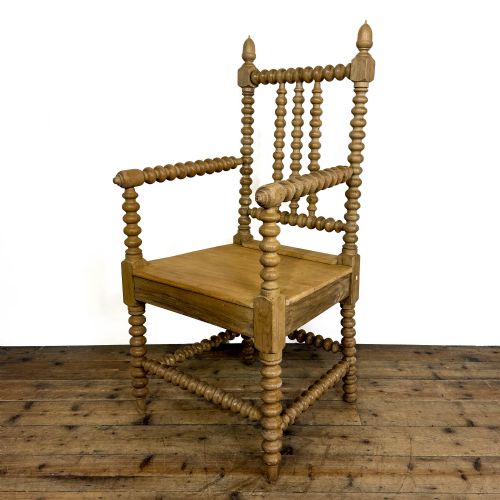
Cabinetmakers and rural joiners relied primarily on native and imported timbers, shaping frames from mahogany, oak, elm, beech, and walnut. Solid wood components were turned, carved, or steam-bent to form structural supports, spindle backs, and legs.
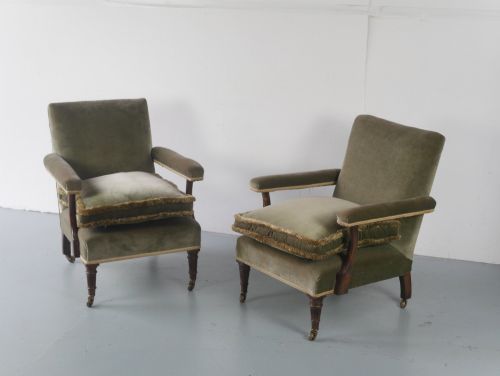
Upholstered seating incorporated traditional stuffing methods using materials like calico, fabric, leather, and brass tacks to secure padding to the wooden frames. Windsor styles utilised a stick-back construction where spindles and legs fit directly into a solid wooden seat.
Antique House Chairs Retail Price Guide 2026
Typical asking prices for house chairs among the pieces listed under this phrase on Sellingantiques today, from the lower quarter to the upper quarter. They describe what is for sale here now, not the wider market.
The listings feature domestic seating spanning the eighteenth, nineteenth, and early twentieth centuries, utilising mahogany, oak, elm, beech, and leather.
What varies in quality
Quality in these chairs depends heavily on the integrity of the timber and the precision of the joinery used in the frame. Superior examples retain their original structural members without excessive replacement parts or compromised joints.
The refinement of the carving, the balance of the proportions, and the authenticity of the upholstery methods separate standard utility pieces from fine workshop productions. Retaining original surfaces, patination, and maker stamps elevates the standing of a piece.
Howard and Sons·Whytock and Reid·Morison and Co·Holland and Sons
The Antique House Chairs Glossary
- Windsor chair
- A wooden chair constructed with a solid sculpted seat into which the back and legs are separately wedged. These rural seats often feature bow backs or stick-back spindles.
- Gainsborough chair
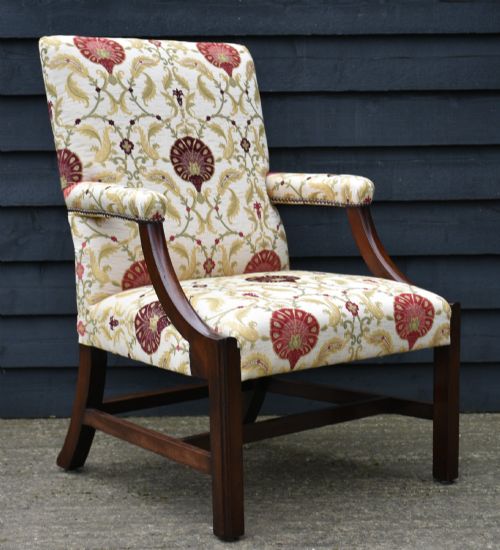
- A wide, open-armed armchair with a padded back and seat, typically dating from the eighteenth century. They were designed for writing desks or parlour use.
- Wingback armchair
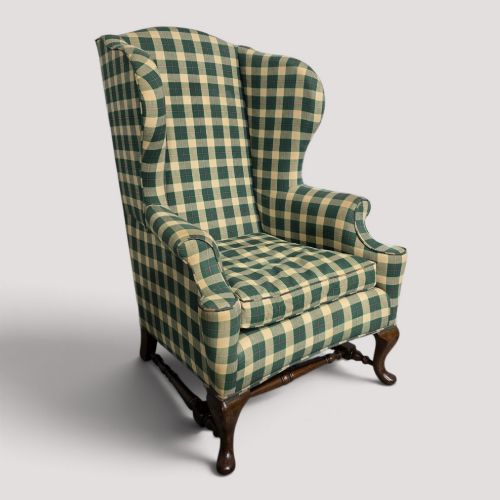
- A large fireside chair featuring protective side panels designed to shield the occupant from drafts. Early examples often rest on substantial cabriole or square legs.
- Ladder-back chair
- A seating form characterised by horizontal wooden slats or rails across the backrest. These chairs frequently utilise regional timbers such as elm and beech.
- Barback
- A style of Windsor chair featuring a horizontal curved top rail supported by vertical spindles. This design provided additional upper back support in kitchen and dining environments.
Antique House Chairs: Frequently Asked Questions
What is a country house armchair?
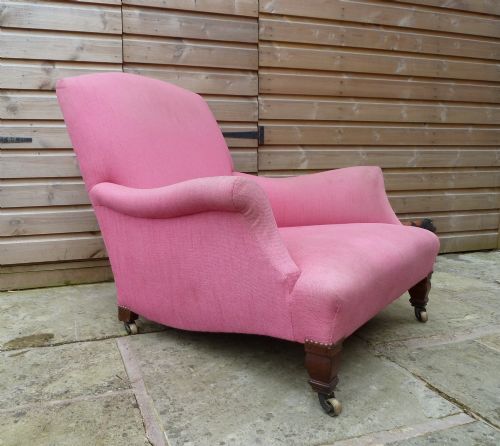
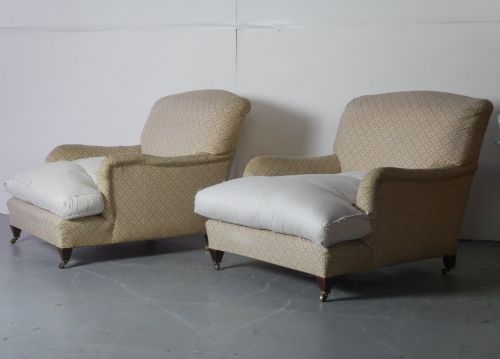
A country house armchair is a large, comfortable seating piece traditionally used in the principal rooms of large English estates. These chairs prioritize deep seating and relaxed proportions over rigid formality.
They frequently feature worn leather or heavy fabric upholstery acquired through decades of domestic use. Their construction reflects a blend of traditional cabinetmaking and utilitarian comfort.
How do I identify a Windsor chair?
A Windsor chair is identifiable by its distinctive construction where the legs and back spindles are tenoned directly into a thick, saddle-shaped wooden seat. They lack a traditional joined frame.
Common regional variations include wheel-backs, bar-backs, and low-back kitchen styles made from timbers like elm and beech.
Are dining chairs sold as sets?
Many dining chairs appear in matched sets or larger groupings, particularly those originating from the Georgian and Victorian periods. Sets of six or eight are common for dining rooms.
Buyers also find assembled matched pairs or larger gatherings of farmhouse chairs that share similar regional characteristics.
How should I care for antique leather upholstery?
Antique leather requires gentle cleaning and occasional conditioning to maintain its flexibility and prevent cracking over time. Avoid placing leather chairs in direct sunlight or near heat sources.
Natural patination should be preserved rather than stripped, accepting minor surface wear as part of the material history.