

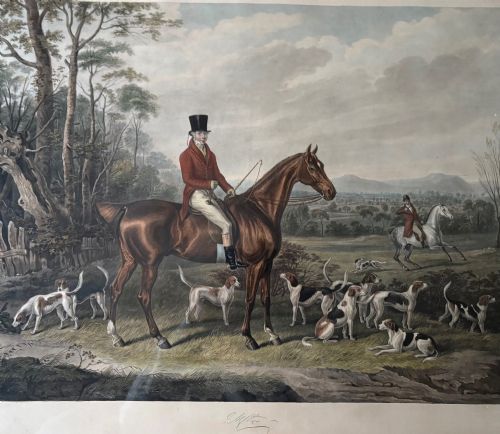


Antique Hound Print
An antique hound print captures the spirited energy of historical field sports and canine companionship through enduring paper, ink, and watercolour.
Antique Hound Print
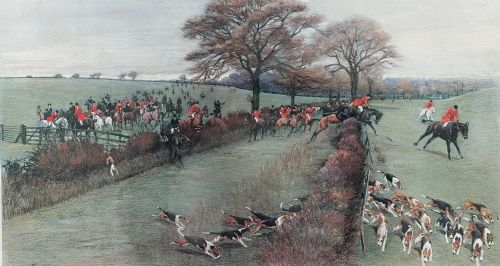
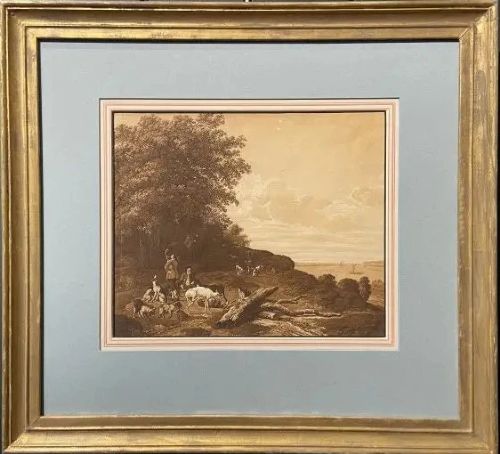
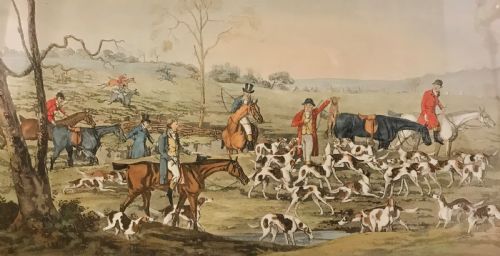
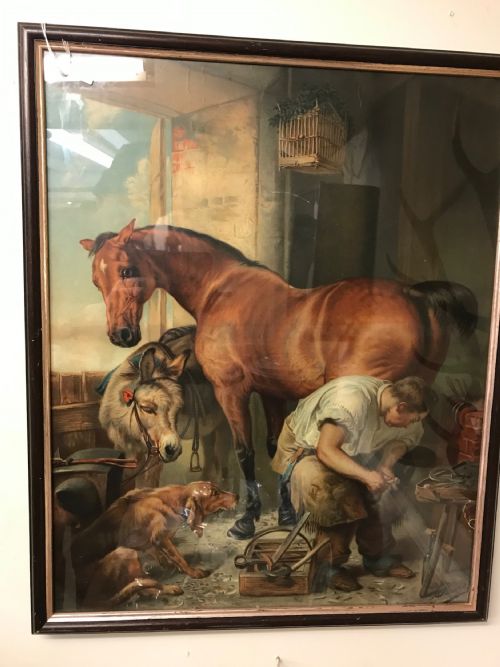
When you search for an antique hound print, you encounter a diverse gathering of wall art, framed artworks, and engravings that focus on sporting subjects and canine companions. These works range from mid-nineteenth-century hand-coloured engravings and lithographs to twentieth-century etchings and watercolours.
The pieces on this page draw from British and European sporting traditions, spanning periods from the seventeenth century through to the mid-twentieth century. Collectors find everything from detailed depictions of individual foxhounds to broader hunting scenes captured by artists and publishers of past eras.
How they were made
The physical objects recorded here rely primarily on paper, ink, and watercolour, often preserved within period wooden or gilt wood frames. Printmakers utilised techniques such as etching, lithography, and aquatint to transfer intricate illustrations onto paper.
Many works incorporate delicate hand-colouring applied over printed lines to enhance the visual depth of the animal subjects and landscape settings. These materials reflect traditional workshop practices from the nineteenth and early twentieth centuries.
Antique Hound Print Retail Price Guide 2026
Typical asking prices for hound print among the pieces listed under this phrase on Sellingantiques today, from the lower quarter to the upper quarter. They describe what is for sale here now, not the wider market.
Canine subjects range from named champions like Marquis the foxhound to dramatic bears locked in combat with hounds.
What varies in quality
Quality in these works rests upon the crispness of the impression and the precision of the hand-applied watercolour or ink. Finer examples retain sharp lines and vibrant tones that communicate the muscular form and expression of the hound.
The condition of the paper surface and the integrity of the original framing elements also influence the character of each piece. Stronger works demonstrate a balanced composition where the relationship between the animal and the surrounding space remains clear.
Johannes Lingelbach·Edwin Henry Landseer·Tom Carr·Herbert Dicksee
The Antique Hound Print Glossary
- Engraving
- A printmaking technique where an artist cuts lines into a metal plate to hold ink. This method produces fine, precise details suitable for reproducing detailed animal portraits.
- Aquatint
- A variant of etching that creates tonal areas resembling watercolour washes. It allows printmakers to achieve subtle gradations of light and shadow behind the central subject.
- Lithograph
- A planographic printing process based on the repulsion of oil and water. Publishers utilised this method for mass-producing illustrative plates in the nineteenth century.
- Gilt wood
- Wood coated with a thin layer of gold leaf or gold paint. This material frequently frames nineteenth-century artworks to provide a traditional decorative border.
Antique Hound Print: Frequently Asked Questions
What is an antique hound print?
An antique hound print is a historical artwork depicting dogs associated with hunting and field sports, produced using methods like engraving or etching.
These pieces reflect the prominent place of sporting culture in past centuries, executed on paper and often retained in period frames.
How were these prints used?
Historically, these artworks hung in country houses, libraries, and estate rooms to celebrate canine lineage and sporting achievements.
Owners displayed them to demonstrate an appreciation for equestrian and canine pursuits as part of a traditional domestic interior.
How do I live with one?
To preserve these works, mount them away from direct sunlight to prevent the paper and any hand-applied watercolours from fading over time.
Ensure they hang in stable humidity conditions to protect both the antique paper and the original wooden or gilt frames.
How do I tell periods apart?
Distinguishing periods relies on observing the printing technique, paper characteristics, and the style of the framing materials. Earlier works from the seventeenth and eighteenth centuries often show different paper textures compared to nineteenth-century lithographs and twentieth-century etchings.
Typography, publisher inscriptions, and recorded dates on the margins also provide reliable markers for dating individual examples.