



Antique Hound Art
Antique hound art encompasses centuries of paintings, sculptures, and prints capturing the energy of the hunt and the character of working dogs.
Antique Hound Art
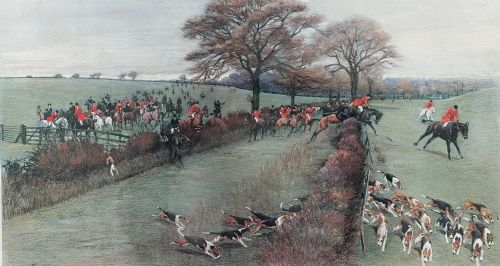
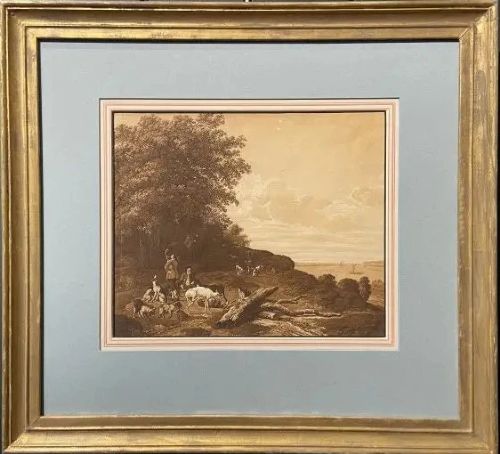
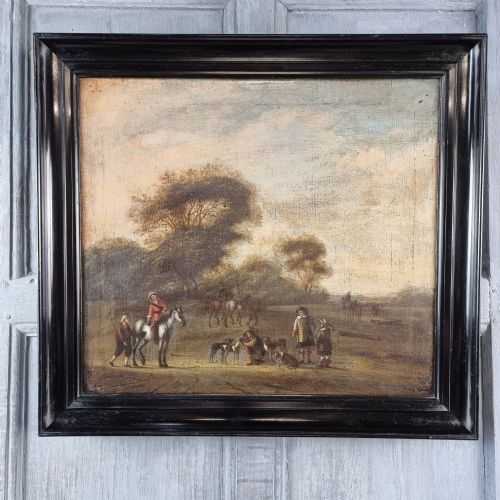
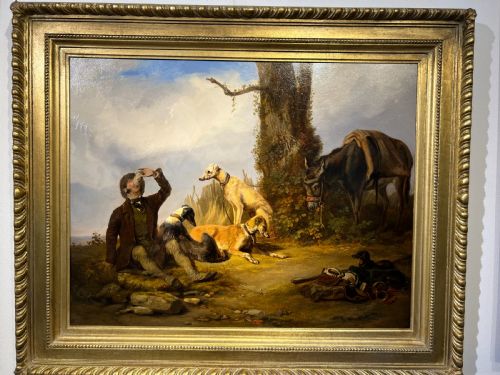
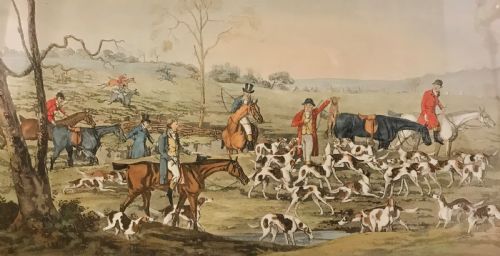
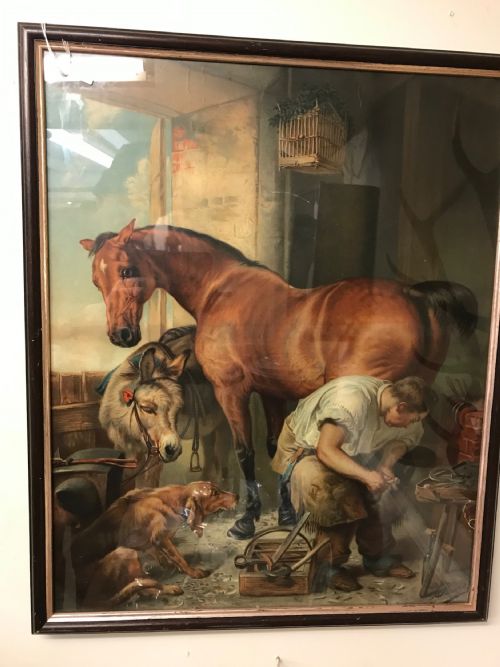
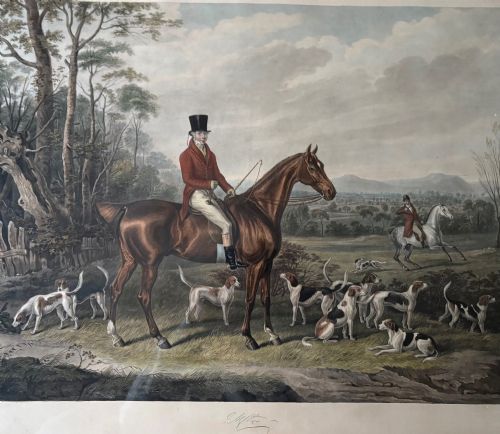
When searching for antique hound art, collectors encounter a diverse range of depictions focusing on hunting scenes, pack portraits, and individual dog studies. The pieces span from seventeenth-century landscapes to twentieth-century sculptures, reflecting shifting artistic approaches to sporting subjects.
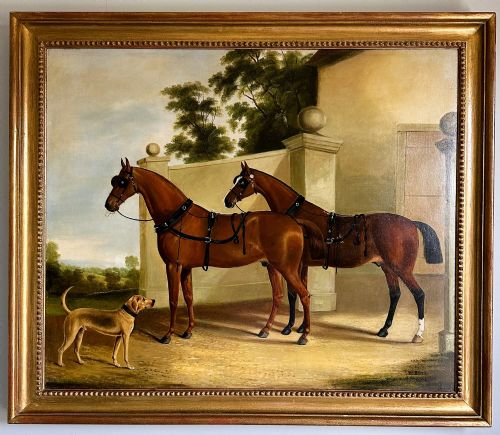
Oil paintings on canvas and panel form a substantial portion of these selections, alongside watercolours, engravings, lithographs, and spelter or marble sculptures. Works range from intimate depictions of named hounds to large narrative compositions of mounted hunts in motion.
Materials and techniques
Artists rendering these subjects relied primarily on oil paint applied to canvas, wood panels, or artist palettes, capturing fine textures in fur and landscape details with layered brushwork. Watercolour on paper and hand-coloured engravings provided alternative mediums for detailed character studies and published sporting scenes.
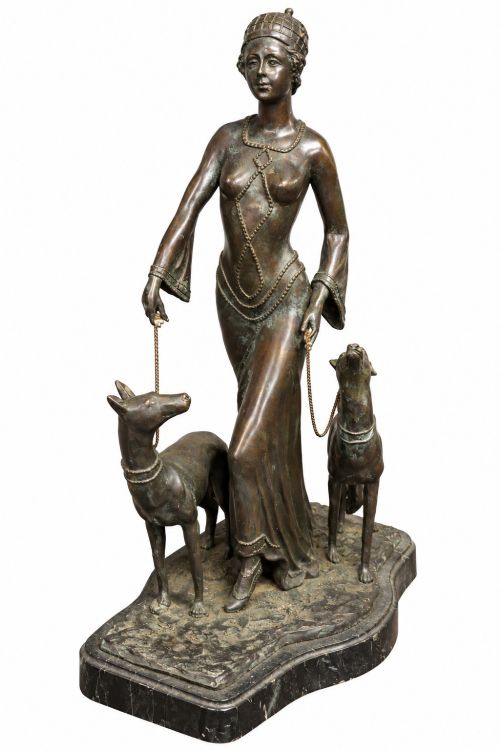
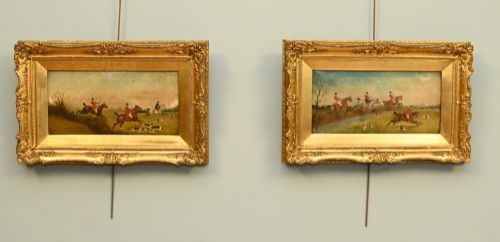
Sculptural representations utilised materials such as spelter, bronze, marble, and cast brass, often mounted on stone or wooden bases to depict hounds in static poses or dynamic groupings. Giltwood and gold leaf frequently frame the flat works, accentuating the compositions through traditional decorative framing techniques.
Antique Hound Art Retail Price Guide 2026
Typical asking prices for hound art among the pieces listed under this phrase on Sellingantiques today, from the lower quarter to the upper quarter. They describe what is for sale here now, not the wider market.
Listings span periods from the seventeenth century through the twentieth century, incorporating oil paintings, watercolours, engravings, and metal sculptures.
Factors of quality
Quality in these pieces rests on the artist's command of anatomy, posture, and the distinct expression of the animal, where superior works capture genuine movement rather than static forms. The integration of the subject within its landscape or interior setting similarly separates accomplished compositions from more formulaic workshop output.
The preservation of the primary medium - whether that involves stable oil paint layers free from excessive retouching, crisp lines in engravings, or the patination on metal sculptures - determines the visual integrity of the surviving piece.
Johannes Lingelbach·Sir Edwin Henry Landseer·Samuel Raven·George Wright·Arthur Wardle·Henri Schouten·John Sanderson Wells
The Antique Hound Art Glossary
- Oil on canvas
- Pigments suspended in a drying oil medium applied to a stretched woven fabric support. This technique allows for deep blending of colour and varied surface textures.
- Engraving
- An intaglio printmaking process where an image is incised directly onto a metal plate with a burin. The resulting lines hold ink to transfer sharp detail onto paper.
- Lithograph
- A planographic printmaking method based on the chemical repulsion of oil and water on a limestone or metal plate. It permits accurate reproduction of tonal gradations.
- Spelter
- A zinc alloy frequently cast as a substitute for bronze in decorative figures and sculptures. It is often painted or electroplated to simulate a richer metal finish.
- Provenance
- The documented history of ownership or origin for an artwork. It provides verifiable evidence of authenticity and past attribution.
Antique Hound Art: Frequently Asked Questions
What subjects appear in hound art?
These works primarily depict foxhounds, bloodhounds, spaniels, and hunting packs engaged in field sports or resting in kennels. Scenes often record specific hunts, coaching events, or individual animal portraits commissioned by landowners.
Landscapes and rural backdrops frequently accompany the animal subjects, placing the dogs within the context of period country life and traditional sporting pursuits.
How do I date a painting?
Dating relies on stylistic clues, framing methods, canvas types, and inscriptions left by the artist or previous owners. Costume details in human figures or architectural elements within the background also help narrow the period.
Signatures, dates written on stretchers, and documentation such as exhibition labels or gallery provenance provide further confirmation of the creation era.
Where were these pieces displayed?
Historical works of this nature traditionally hung in country houses, estate libraries, and sporting lodges. They served as celebrations of landed estates, successful breeding lines, and personal sporting achievements.
Today, collectors place them in studies, living rooms, and hallways, continuing a long tradition of integrating sporting imagery into domestic interiors.
What is the difference between an oil and a print?
An oil painting is a unique, hand-painted work created directly on canvas, wood, or paper by the artist using brushwork and layered pigments. Each stroke is original to the creator's hand.
Prints and engravings are multiple impressions produced from an etched plate, stone, or publishing block, allowing a single image to be distributed across books and portfolios.