


Antique Hotel Bell
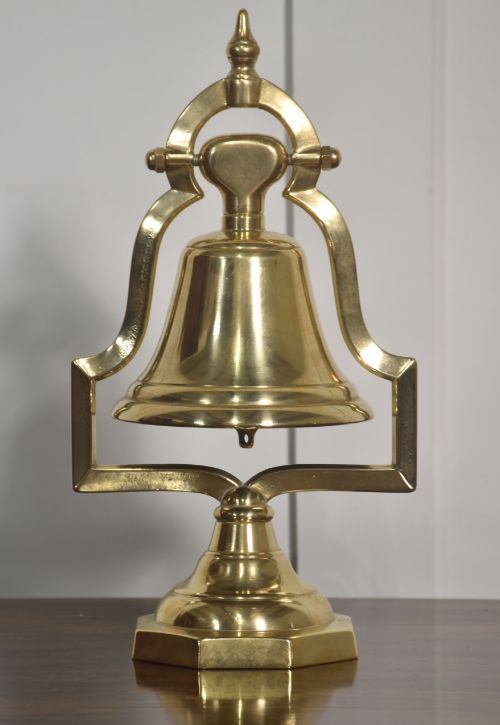
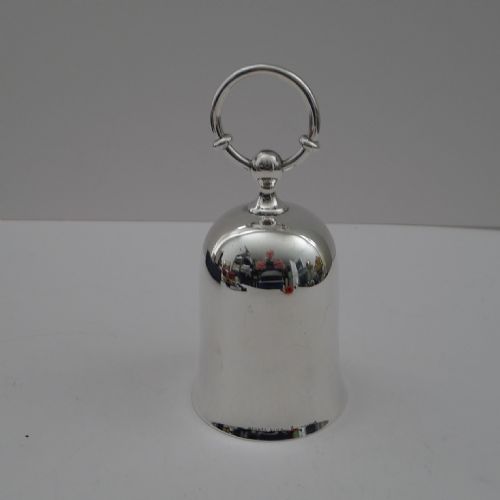
These antique hotel bell pieces are solid brass and silver plate utilities built to summon service, bringing mechanical charm and crisp tone to any desk.
Antique Hotel Bell
An antique hotel bell serves as a practical communication device from the Victorian era and the turn of the twentieth century, designed for hospitality or domestic service. Buyers searching for an antique hotel bell will primarily encounter desk and counter models fashioned from heavy metals.
Materials and construction
These items rely heavily on brass, bronze, and steel components, often finished with polished surfaces or silver plate. Metal casting forms the structural foundation, creating the substantial weight required to stay steady during operation.
Makers integrated internal spring mechanisms and striking hammers to produce a clear, resonant ring when pressed or struck. Ornate bases employ cast detailing, uniting functional utility with decorative Victorian and Art Nouveau styling.
Listings feature items from the Victorian era, eighteen eighty, eighteen ninety, nineteen hundred, and nineteen twenty, constructed in brass, bronze, and silver plate.
Assessing quality and craftsmanship
Superior examples distinguish themselves through crisp casting detail in the metal base and a resonant, clear tone from the bell dome. The precision of the internal spring mechanism determines how reliably the striker operates over repeated use.
The choice of finish, from substantial silver plate to deeply polished brass, dictates the visual presence of the piece. Finer items retain their original mechanical integrity and show careful attention to decorative motifs without excessive wear.
The Antique Hotel Bell Glossary
- Counter bell
- A stationary bell mounted on a desk or reception counter, designed to be pressed from above to summon attention. These items formed an essential part of hospitality furnishings.
- Table top gong
- A suspended metal disc or bowl struck with a small mallet rather than a plunger. This variant offers a deeper, more resonant tone than standard spring-loaded designs.
- Silver plate
- A thin layer of silver applied over a base metal such as brass or copper. This finish provided the luxurious appearance of solid silver at a lower production cost.
- Art Nouveau
- A decorative style characterised by fluid, organic lines and floral motifs, prominent around nineteen hundred. Pieces from this period exhibit softer, naturalistic curves rather than rigid geometry.
Antique Hotel Bell: Frequently Asked Questions
What is an antique hotel bell?
An antique hotel bell is a mechanical signaling device used historically in hospitality and large domestic households to summon staff. These pieces date from the Victorian period through the early twentieth century and were placed on reception desks or service counters.
Constructed primarily from cast brass, bronze, or silver plate, they rely on internal springs or suspended gongs to produce a distinct chime when operated.
How do you date an antique bell?
Dating these items involves examining the manufacturing materials, the mechanical construction, and any stylistic clues present in the metalwork. Victorian pieces often display heavier cast brass and ornate detailing, whereas later items from nineteen twenty may show different plating techniques.
The presence of specific aesthetic movements, such as Art Nouveau curves or Victorian revival flourishes, also helps narrow down the decade of production.
How were these bells used?
Staff and guests utilised these bells in hotels, railway stations, and large country houses to alert attendants that service was required at the desk. A sharp press on the plunger or a tap on the suspended gong created an audible signal that carried across rooms.
They sat permanently on reception counters or desks, functioning as both daily working tools and decorative accessories for public spaces.
How do I maintain the finish?
Maintaining the metal surface requires gentle cleaning with a soft cloth to remove dust without stripping the aged patina that accumulates over decades. Polished brass and silver plate benefit from occasional care using appropriate metal cleaners formulated for antique items.
Harsh chemical abrasives should be avoided to protect the original engraving, casting definition, and plated layers from unnecessary wear.