


Antique Horse Decor
Antique horse decor brings the noble energy and traditional sporting heritage of equestrian life directly into your interior spaces.
Antique Horse Decor
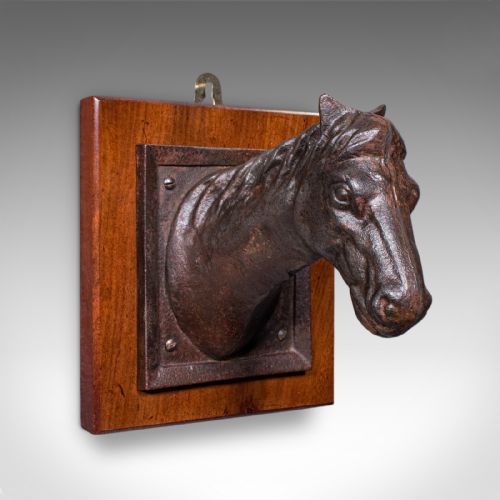
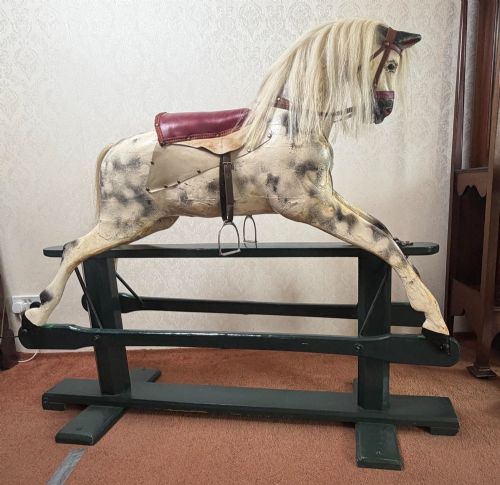
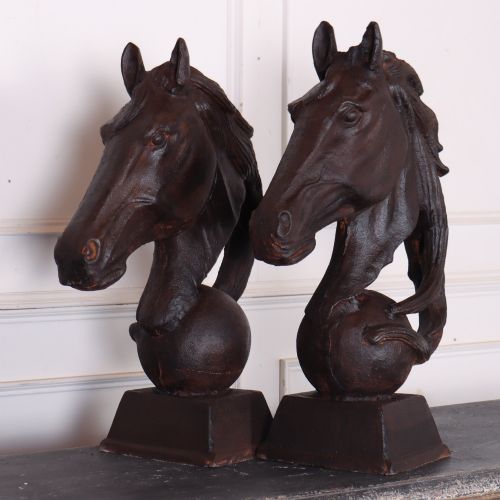
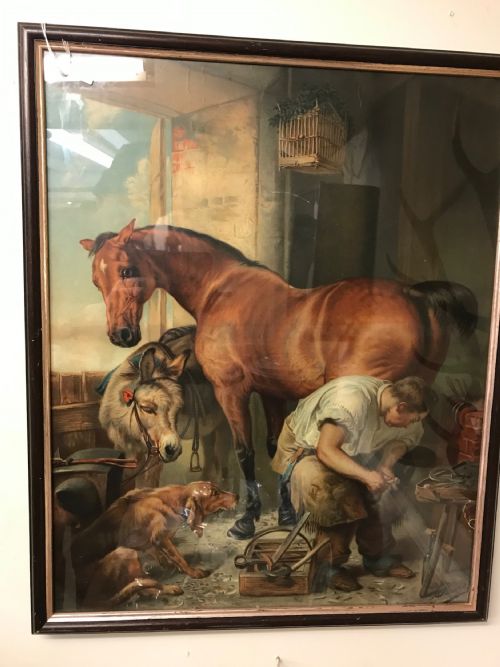
When you search for antique horse decor, you encounter a varied selection of items celebrating the equine form across multiple centuries and creative mediums. These range from hand-carved wooden rocking horses and cast iron hitching posts to detailed oil paintings of stable scenes and racing portraits.
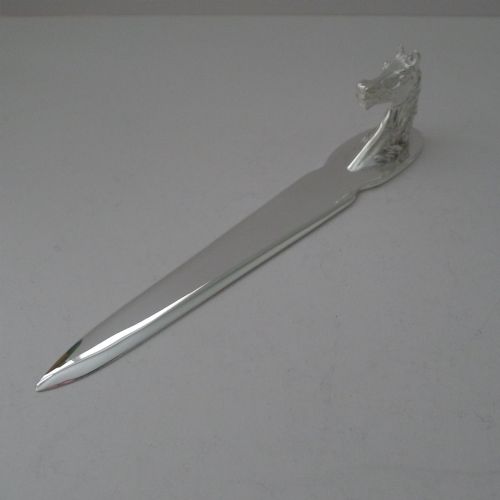
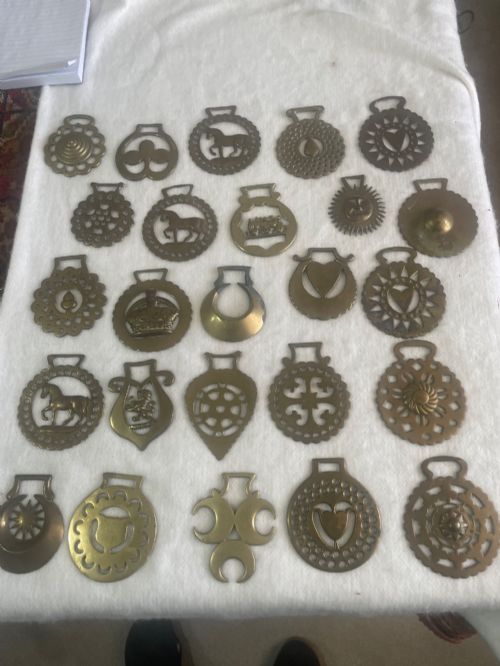
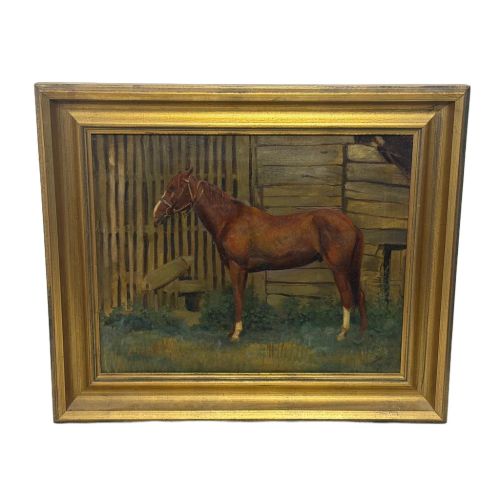
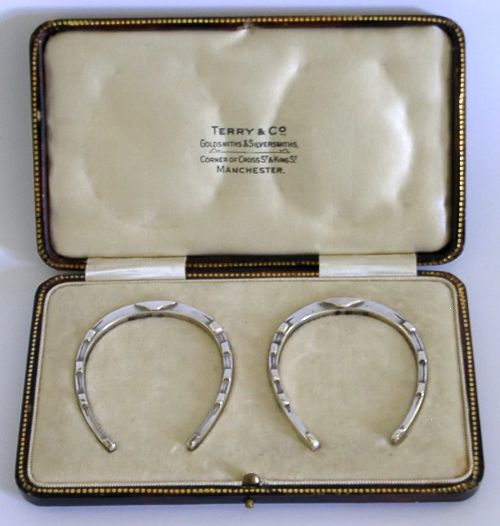
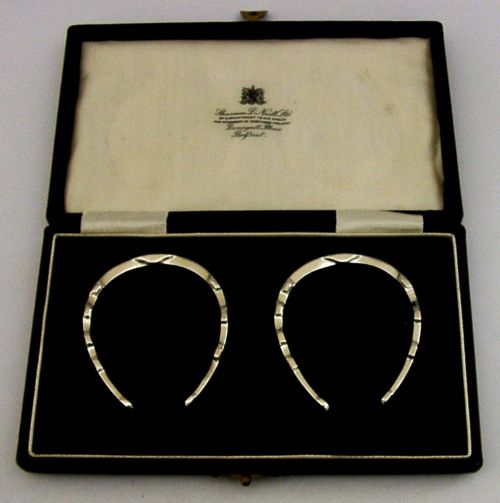
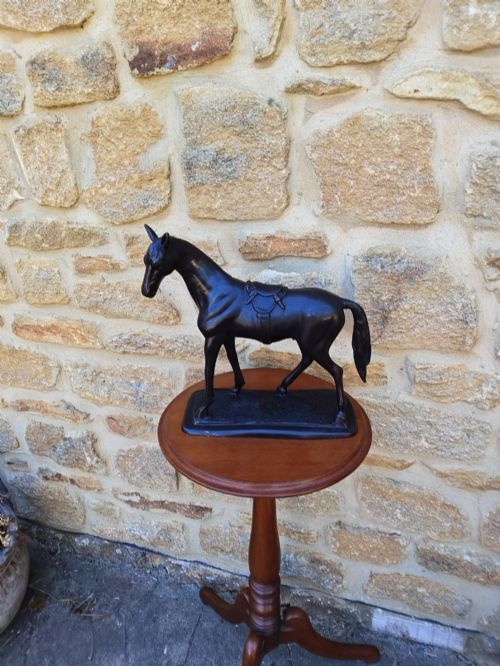
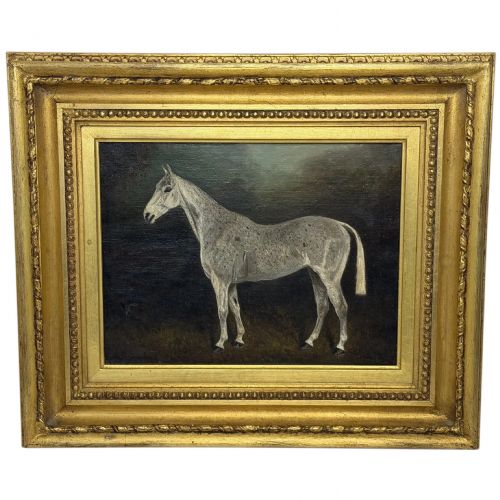
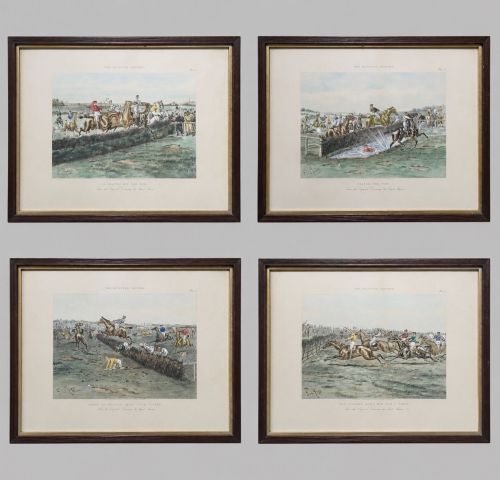
The objects most frequently met on this page include framed prints of horse racing, bronze animalier sculptures, and utilitarian brass martingales or silver napkin rings. Works stretch from early Georgian oil panels to mid-century equestrian studies, reflecting enduring domestic fascination with horses.
How they were made
Makers utilised traditional craftsmanship, rendering horses through oil on canvas, carved pine and oak wood, cast bronze, and iron. Painters applied pigment to canvas or wood panels, sometimes detailing coats with fine brushwork, while sculptors cast metals using lost-wax methods or poured molten iron into sand moulds.
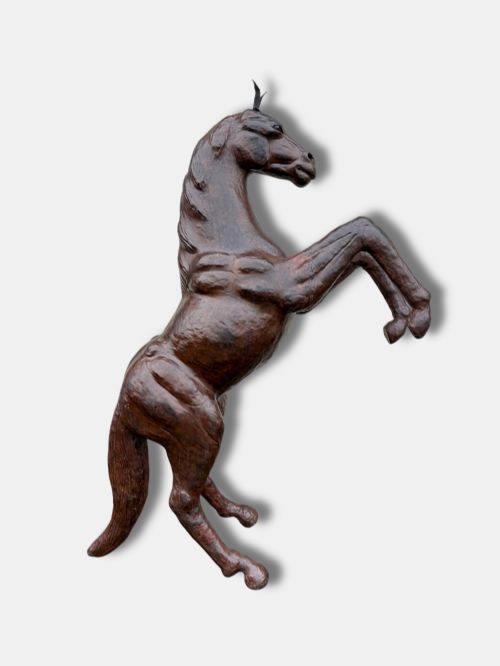
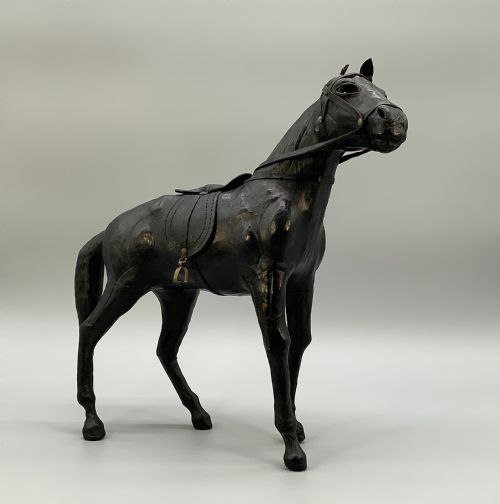
Leather and paper also feature significantly, seen in bound prints, tacked structural pieces, and fitted components like the large leather-covered figures mounted on wooden frames.
Antique Horse Decor Retail Price Guide 2026
Typical asking prices for horse decor among the pieces listed under this phrase on Sellingantiques today, from the lower quarter to the upper quarter. They describe what is for sale here now, not the wider market.
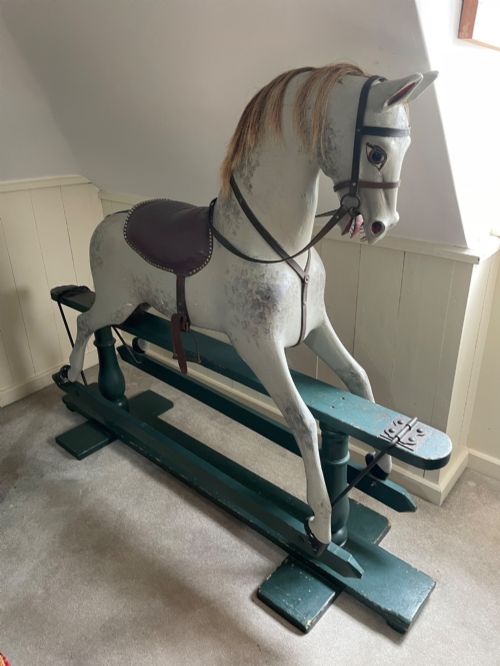
A nineteenth-century child's pull-along horse patiently waits to trot out of the stable and into a modern sitting room.
What varies in quality
The distinction between superior pieces and lesser items rests on anatomical accuracy, expressive rendering, and the preservation of original surfaces. Master painters and sculptors captured musculature, tension, and movement with convincing realism, whereas lower-tier pieces appear stiff and disproportionate.
Original mounts, untouched patination on bronzes, and untouched period paint layers on carved wooden animals elevate a piece far above items suffering from heavy overpainting or later replacements.
Liberty of London·George Finch Mason·Edwin Henry Landseer·Alfred Munnings·John Frederick Herring Jnr
The Antique Horse Decor Glossary
- Martingale
- A strap or set of straps used in horse tack, often decorated with brass ornaments that are collected as wall hangings today. These brass pieces frequently bear regional or regimental motifs.
- Bronze animalier
- A nineteenth-century sculptural movement focused on realistic depictions of animals. Sculptors in this tradition studied horses in motion and at rest to achieve lifelike poses.
- Aquatint
- A printmaking technique that produces tonal areas resembling watercolour washes. It was widely used for reproducing popular sporting and racing scenes during the Victorian era.
- Grisette
- A term occasionally used in equine painting titles to denote a grey mare. These historical portraits document specific named horses owned by notable figures or stables.
Antique Horse Decor: Frequently Asked Questions
What materials are common in horse decor?
Pieces span organic and inorganic mediums, predominantly featuring carved wood, cast bronze, iron, and oil paints on canvas or pine panels.
Secondary materials include sterling silver, leather, gilt bronze, and paper prints framed in walnut or oak.
How do I date an equestrian painting?
Dating relies on stylistic clues, clothing of riders, tack design, and framing techniques characteristic of periods like the Georgian era or Victorian times.
Signatures, artist records, and canvas stamps also help place the work within a specific nineteenth or early twentieth-century decade.
Were these items purely decorative?
Many objects served functional roles in daily life and stable management before becoming decorative antiques. Items like hitching posts, dinner gongs, napkin rings, and tack hardware performed practical household or equestrian duties.
Paintings and bronzes, by contrast, were created specifically to celebrate prized animals, racing victories, and sporting traditions.
How do I display antique horse sculptures?
Bronzes and cast iron pieces suit sturdy surfaces such as mantelpieces, desks, or wooden sideboards where their weight and material presence can be appreciated. Larger wooden figures, including rocking horses, command floor space in hallways or living areas as standalone focal points.