



Antique Horn Flask
An antique horn flask carries the grit of the field and the patience of early carvers into your cabinet.
Antique Horn Flask
When you search for an antique horn flask, you enter a domain where utility and domestic folk craft meet, spanning the eighteenth and nineteenth centuries. The pieces you meet here range from simple, robust gunpowder receptacles to carved personal accessories like snuff mulls and scent flasks.
Most examples hail from the nineteenth century, often grouped under broad stylistic headings such as Victorian, Edwardian, and folk art. You encounter distinct regional items, including Scottish snuff mulls and American powder horns, reflecting local hunting and maritime traditions.
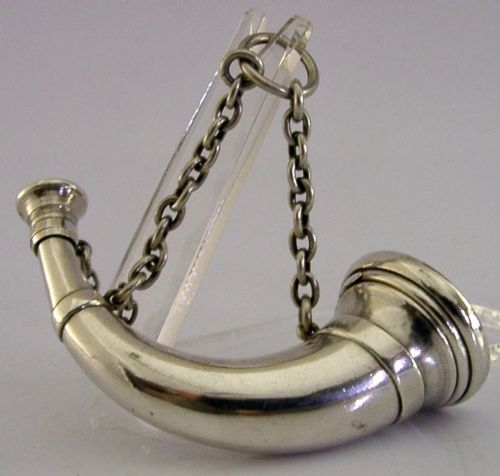
The forms extend beyond standard powder containers into specialised items like glove powderers and vinaigrettes. These smaller vanity accessories demonstrate that horn and related materials served civilian uses just as readily as field sports.
Materials and construction methods
Makers shaped natural horn through heat and pressure, often combining it with brass, copper, and sterling silver mounts to reinforce the structure and secure the nozzle. Copper and brass fittings, including patent adjustable charge mechanisms, provided durable mechanical function for powder distribution.
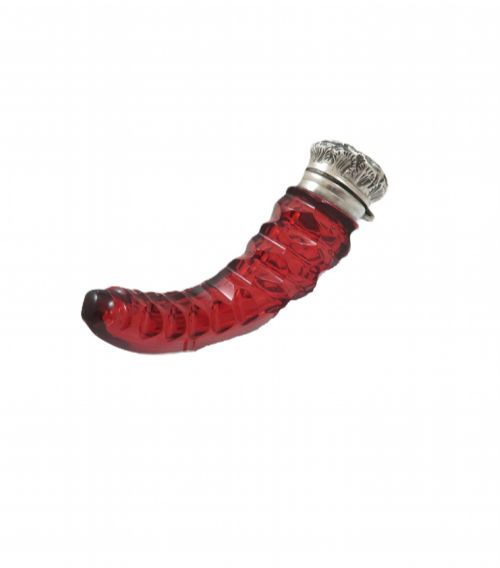
Carving formed the primary decorative technique, visible in naive depictions and intricate bug bear patterns on coconut shell and bone alongside the horn. Artisans also utilised contrasting materials like cranberry glass, white jade stone, and wood to accent scent bottles and vanity items.
Antique Horn Flask Retail Price Guide 2026
Typical asking prices for horn flask among the pieces listed under this phrase on Sellingantiques today, from the lower quarter to the upper quarter. They describe what is for sale here now, not the wider market.
A nineteenth-century artisan carved a hairy coconut into a bug bear face, proving that even gunpowder storage required a hint of whimsy.
Factors of distinction
Quality rests primarily in the ambition of the carving and the integrity of the natural material. A piece displaying deep, assured folk art relief work stands apart from plain utility stock.
The integration of precious metals such as sterling silver mounts and sophisticated brass dispensing mechanisms elevates a specimen from a basic utilitarian tool to a finished collector's object.
Sampson Mordan
The Antique Horn Flask Glossary
- Powder horn
- A hollow animal horn used for storing gunpowder, typically fitted with wooden or metal plugs at either end. These containers formed standard equipment for hunters and soldiers.
- Vinaigrette
- A small ornamental hinge-lidded box holding a sponge soaked in aromatic vinegar. Silver examples often accompanied vanity accessories in the nineteenth century.
- Bug bear
- A term applied to carved coconut shell flasks featuring grotesque or decorative faces. Folk artists utilised the natural eyes of the coconut to form part of the design.
- Patent adjustable charge
- A mechanical brass nozzle that measured a precise volume of gunpowder per pour. Such mechanisms appeared on mid-nineteenth century flasks to improve field efficiency.
Antique Horn Flask: Frequently Asked Questions
What is an antique horn flask?
An antique horn flask is a container shaped from animal horn, utilised historically for holding gunpowder, shot, or personal substances like snuff. These items date primarily from the eighteenth and nineteenth centuries.
Craftsmen often embellished them with brass fittings, carved folk art motifs, or silver mounts. They survive today as tangible links to historical hunting and domestic traditions.
How do I date an antique horn flask?
Dating relies on examining the style of the metal mounts, the complexity of any mechanical charging nozzles, and the nature of the carving. Eighteenth-century examples often display simpler, hand-cut folk ornamentation.
Nineteenth-century pieces frequently incorporate stamped brass patent fittings or maker marks associated with Victorian silversmiths. Comparing the material wear and construction against documented periods provides further context.
How were these flasks used historically?
Hunters and military personnel carried powder horns and flasks to store and dispense dry gunpowder safely into firearms. The natural rigidity and water-resistant qualities of horn made it ideal for outdoor field use.
Smaller variants, such as snuff mulls and scent flasks, served personal vanity and daily social habits. These lived in pockets or dressing rooms rather than on the hunting field.
Are all horn flasks made of actual horn?
While the primary grouping centres on animal horn, related listings incorporate alternative organic and hard materials such as bone, coconut shell, and jade stone. Metal components in brass, copper, and sterling silver frequently complement the organic bodies.
Makers selected these materials for their durability, texture, and suitability for detailed carving or secure mounting.