


Antique Horn Carving
These antique horn carving pieces range from Georgian snuff boxes to Victorian hallstands, offering practical artistry shaped from natural materials.
Antique Horn Carving
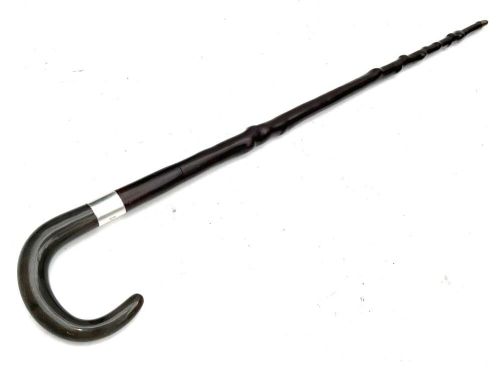
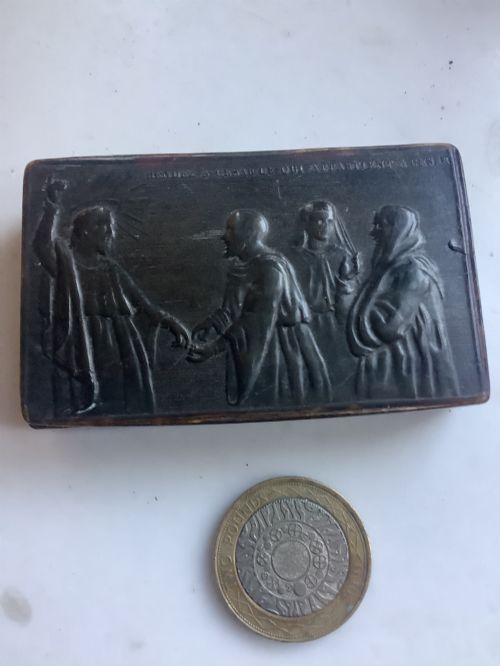
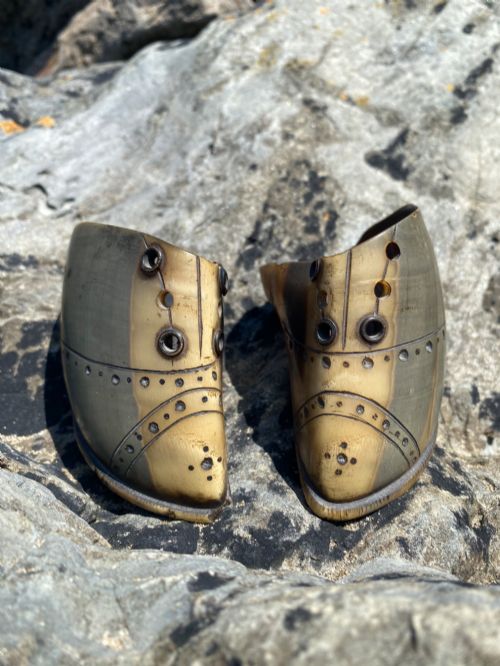
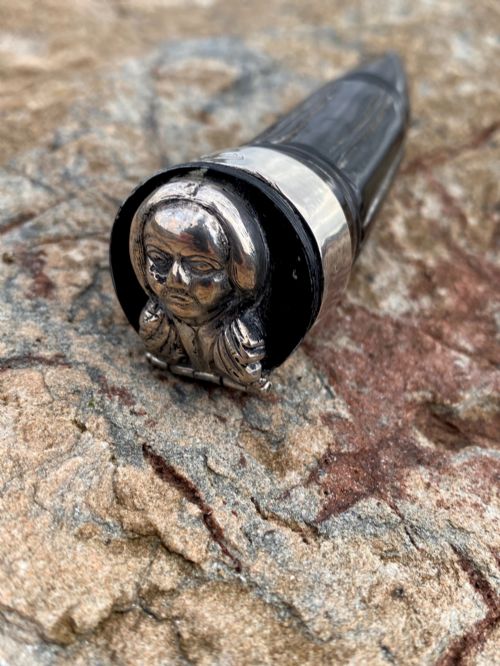
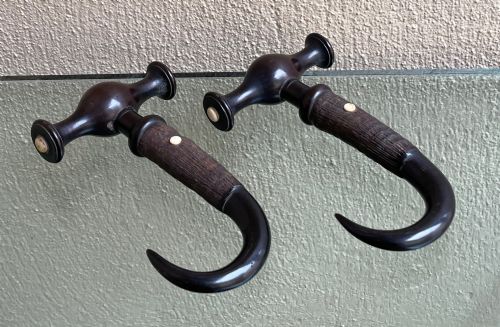
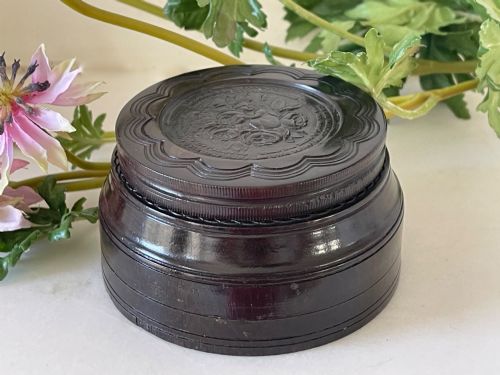
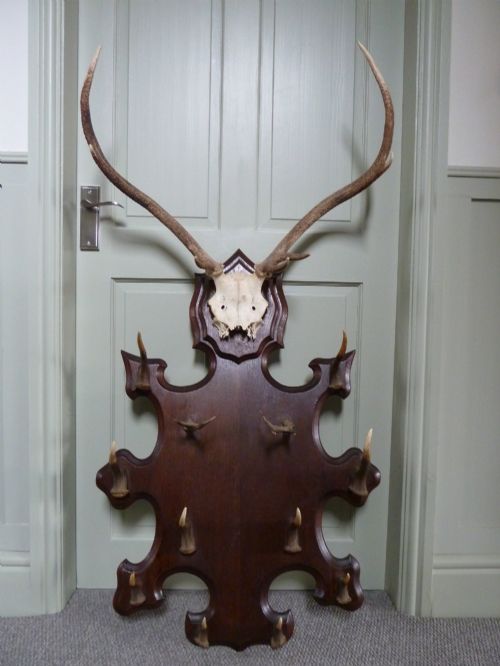
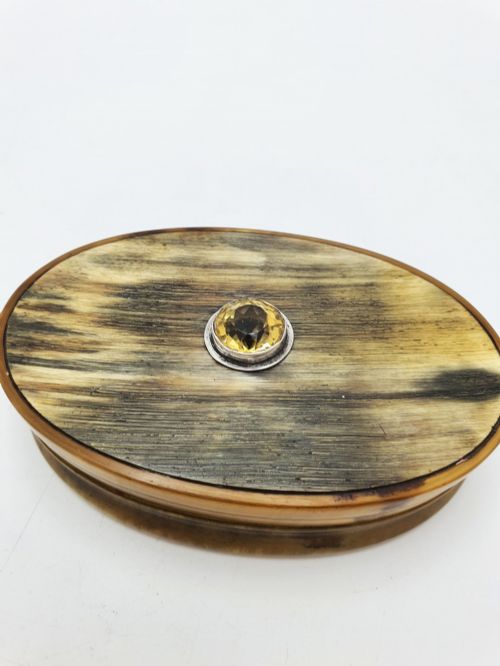
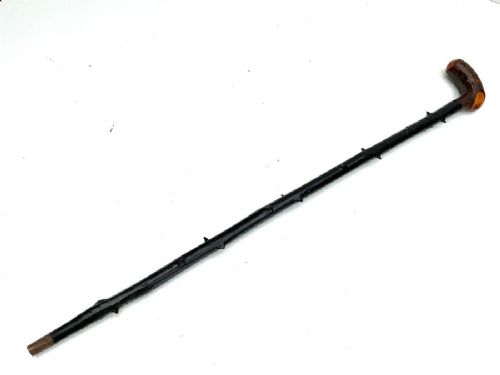
An antique horn carving encompasses functional objects and decorative items produced across the eighteenth, nineteenth, and early twentieth centuries. Pieces frequently take the form of snuff boxes, powder flasks, walking sticks, and wall-mounted coat racks.
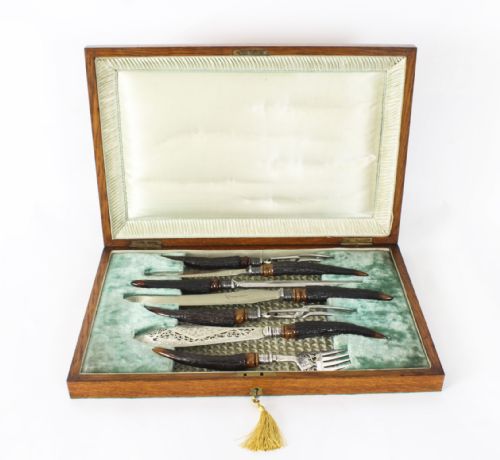
The selection on this page relies heavily on Victorian and Georgian craftsmanship, alongside folk art traditions and items originating from Asian and European workshops. Buyers encounter domestic accessories such as bowls and desk stands alongside personal items like boot pulls and serving sets.
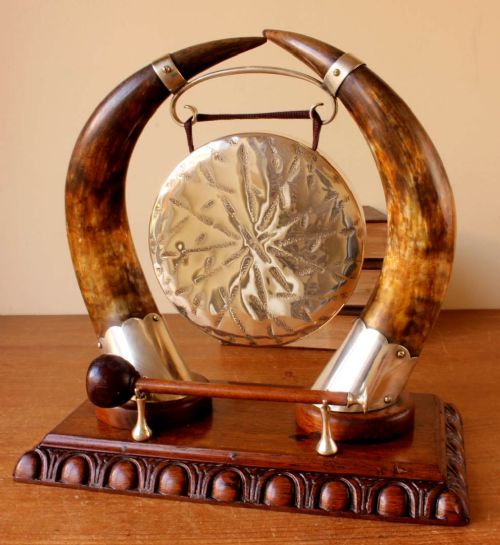
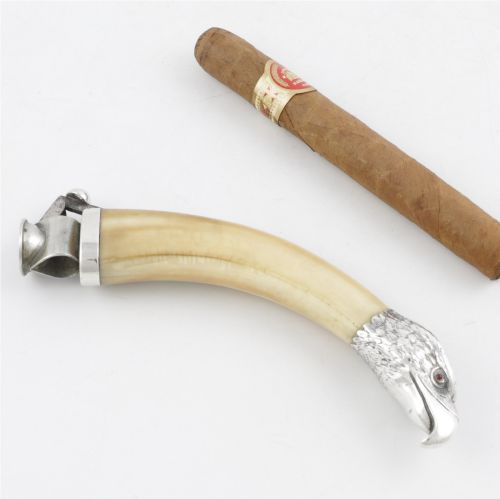
Many survivors of this category merge organic animal materials with metal mounts, silver hardware, or wooden backings. These items reflect both the practical utility of horn in past centuries and the decorative ambition of period carvers.
Materials and construction methods
Craftsmen utilised water buffalo horn, stag horn, cattle horn, and antler, often pairing these organic substances with oak, silver, pewter, brass, and tortoiseshell. Natural materials were softened through heating and pressing techniques to take the desired shape.
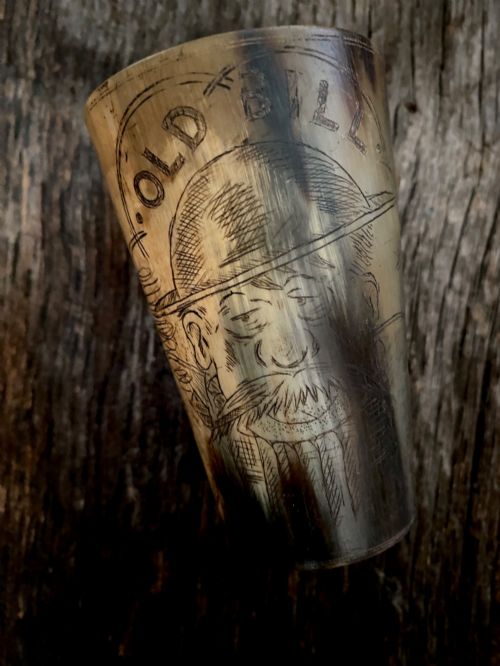
Carvers employed sharp hand tools for intricate relief work, engine turning, and surface engraving, frequently incorporating faceted stones or precious metal mounts into the final design.
Antique Horn Carving Retail Price Guide 2026
Typical asking prices for horn carving among the pieces listed under this phrase on Sellingantiques today, from the lower quarter to the upper quarter. They describe what is for sale here now, not the wider market.
Listings feature eighteenth and nineteenth-century horn works alongside Edwardian domestic items, utilising wood, silver, pewter, and bone.
Distinctions in craftsmanship and design
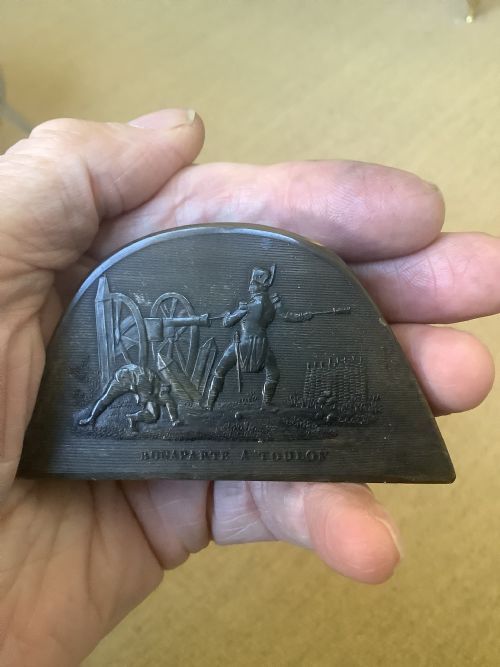
Quality rests upon the depth and precision of the carved detail, from restrained folk art incisions to elaborate figural reliefs. Superior pieces display crisp edges and harmonious integration between the horn and accompanying silver or wooden elements.
Condition and originality dictate the standing of a piece, particularly where pressing moulds or mechanical additions like snuff box lids and hidden mechanisms are concerned. Well-preserved surfaces retain their natural lustre and tactile warmth without excessive wear.
Brigg·Gerrard and Sons
The Antique Horn Carving Glossary
- Engine turned
- A geometric surface pattern produced by a mechanical lathe that cuts precise repeating lines into the material. This technique appears frequently on Georgian snuff boxes.
- Snuff box
- A small pocket container designed to hold pulverized tobacco for inhalation. These receptacles often feature hinged lids and detailed horn or tortoiseshell carving.
- Powder horn
- A hollowed animal horn used to store gunpowder safely for firearms. Historical examples frequently display engraved maps, dates, or patriotic motifs.
- Snuff mull
- A traditional Scottish receptacle for holding dry snuff, usually fashioned from a ram or cattle horn fitted with metal mounts.
- Libation cup
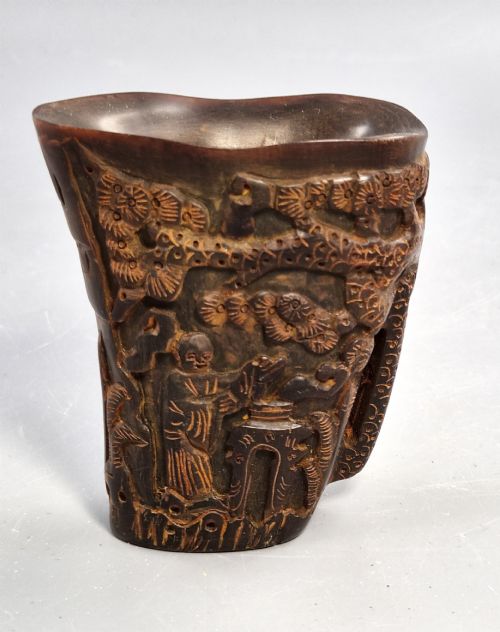
- A ceremonial vessel carved from rhinoceros or water buffalo horn. These Asian artefacts often depict figural scenes and natural elements in high relief.
Antique Horn Carving: Frequently Asked Questions
What is an antique horn carving?
An antique horn carving is an object shaped from animal horn, bone, or antler by historical artisans. These items span practical daily accessories and decorative furnishings.
Items range from pocket snuff boxes and libation cups to large hallstands and walking stick handles, reflecting diverse cultural traditions.
How were horn objects used historically?
Horn items served practical domestic, military, and personal functions in daily life. Powder horns supplied gunpowder to muskets, while snuff boxes held tobacco.
Larger pieces like coat racks, desk stands, and walking sticks formed part of gentlemanly apparel and country house interiors.
How do you clean antique horn?
Cleaning antique horn requires gentle dusting with a soft dry cloth to protect the organic material. Moisture and harsh cleaning agents can damage the surface.
Applying a minimal amount of neutral conservation wax occasionally helps maintain the natural sheen without altering the historical patina.
How can you tell the age of horn pieces?
Dating horn items relies on stylistic clues, mounting metals, and manufacturing methods. Georgian and Victorian pieces often show distinct hand-tool marks or specific silver hallmarks.
Comparing the object's form and decorative motifs to documented period examples helps establish its probable decade of origin.