



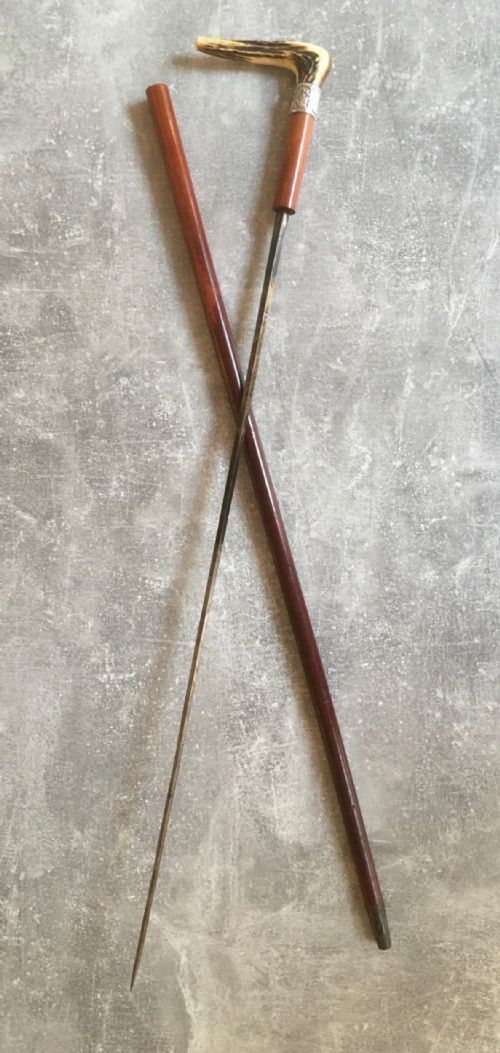


Antique Horn Cane
An antique horn cane brings together the tactile substance of natural horn and the practical necessity of nineteenth-century walking supports.
Antique Horn Cane
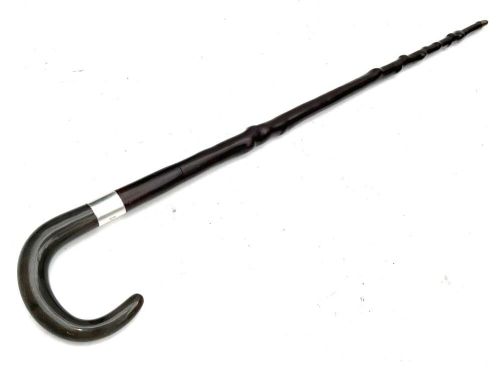
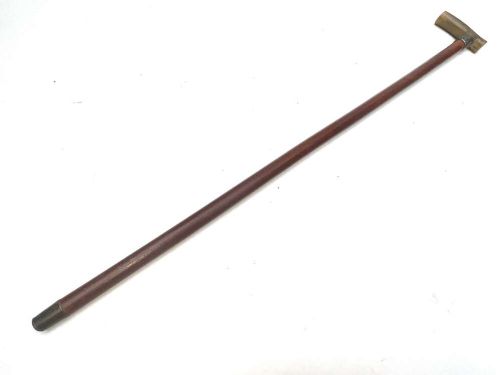
When you search for an antique horn cane, you encounter supports formed from organic horn, antler, and bone, often paired with shafts of malacca, rosewood, or bamboo. These pieces span the nineteenth century and the early decades of the twentieth century, encompassing Victorian, Edwardian, and folk art traditions.
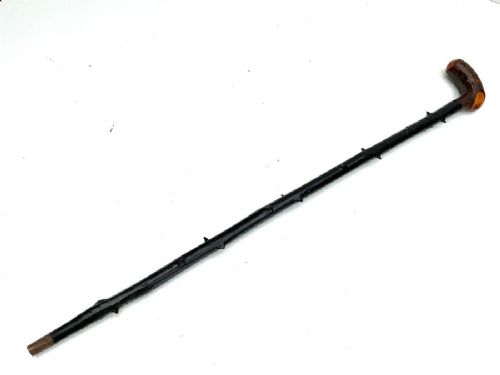
Regional variations emerge across British, French, and Irish examples, ranging from maritime pieces incorporating whalebone and shark vertebrae to traditional Irish blackthorn and folk art carvings. Each walking stick reflects the specific requirements of the gentleman or traveller who carried it.
Materials and construction
Horn and antler were selected for handles due to their durability and capacity to be carved, moulded, and polished into ergonomic grips. Craftsmen attached these handles to shafts of timber such as malacca or rosewood using internal metal screws and pins.
Metal components, including silver collars and steel blades, required specialised smithing and engraving techniques. Silver mounts frequently bore hallmarks indicating the assay office and year of production, while blades were tempered and etched.
Antique Horn Cane Retail Price Guide 2026
Typical asking prices for horn cane among the pieces listed under this phrase on Sellingantiques today, from the lower quarter to the upper quarter. They describe what is for sale here now, not the wider market.
The listings show handles carved from horn and stag antler, mounted on malacca, bamboo, and rosewood shafts dating from the nineteenth and early twentieth centuries.
Judging quality
Quality rests in the harmony between the handle's carving and the straightness of the supporting shaft. Superior pieces display intricate hand-carved details on the horn or stag antler, matched to carefully straightened malacca or bamboo.
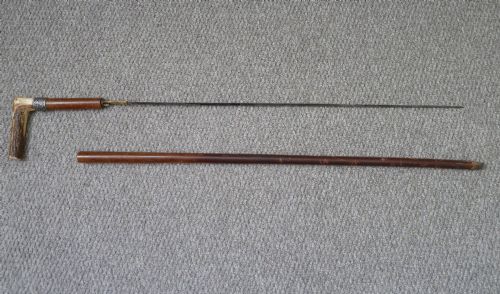
The integration of precious metal mounts and concealed mechanisms distinguishes finer examples from standard production. A tightly fitted collar and a smooth button release for a hidden blade indicate competent workshop execution.
Jonathan Howell·Swaine Adeney Brigg·Brigg's
The Antique Horn Cane Glossary
- Pommel
- The rounded knob forming the top of the handle. It provides a comfortable surface for the palm of the hand.
- Collar
- The metal band fitted around the shaft directly beneath the handle. This ring strengthens the joint where wood and handle meet.
- Malacca
- A slender rattan cane imported from Southeast Asia, prized for its flexibility and mottled brown skin. It serves as a primary shaft material.
- Sword stick
- A walking cane containing a concealed steel blade within the shaft. A button or screw release secures the blade until needed.
- Hallmark
- A stamp impressed into silver or gold components indicating the metal standard, maker, and year of manufacture.
Antique Horn Cane: Frequently Asked Questions
How do I date an antique horn cane?
Dating relies on stylistic clues, hallmarks on silver collars, and documented maker marks. Nineteenth-century examples often feature specific collar engravings and regional construction methods.
Changes in fashion and materials across the Victorian and Edwardian eras further help narrow the decade of production.
Were all horn canes used as weapons?
Only a subset of these walking sticks contain concealed blades, corkscrews, or flutes. The majority served purely as gentlemanly supports and fashion accessories.
Gadget sticks were manufactured for specific utility or novelty, whereas standard canes focused on balance and everyday walking comfort.
How should I maintain a wooden shaft?
Keep wooden shafts away from excessive moisture and direct heat sources to prevent warping or splitting. Occasional application of appropriate wax preserves the finish of rosewood and malacca.
Inspect the ferrule at the base regularly to ensure the wood does not wear against pavement.
What is the difference between horn and antler?
Horn derives from the outer sheath of bovines and possesses a smooth, fibrous texture that can be shaped with heat. Antler is solid bone shed and regrown annually by deer, showing a rough, textured surface.
Both materials were utilised for walking stick handles due to their resilience.