





Antique Honey Pot
An antique honey pot is a domestic container made to hold honey on the table, combining functional glassware or treen with decorative metalwork.
Antique Honey Pot
When you search for an antique honey pot, you encounter domestic items designed for table service, often overlapping with preserve jars and jam pots from the nineteenth and early twentieth centuries. The pieces on this page span the Victorian, Edwardian, and Art Deco periods, drawing on styles such as Victorian, Georgian, and Art Deco.
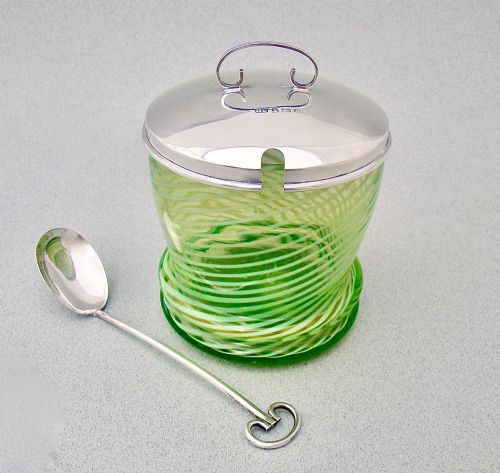
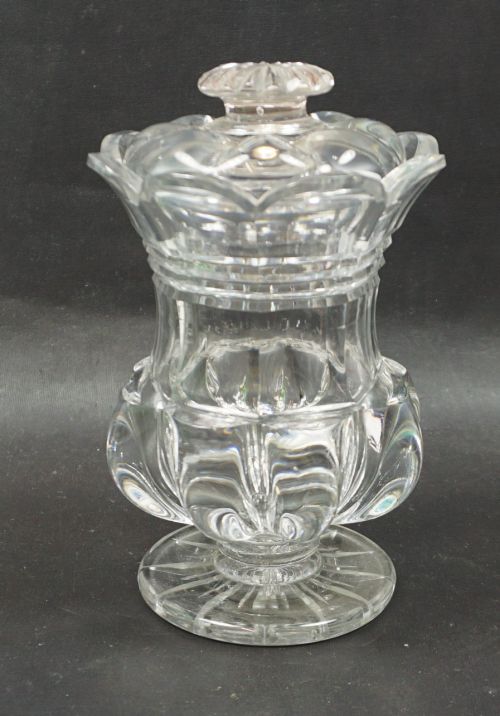
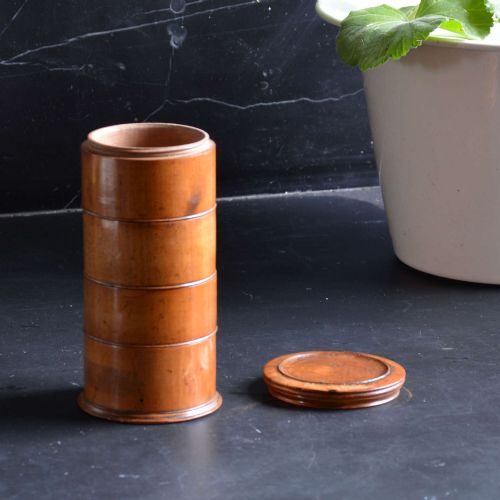
The objects take forms including silver-plated stands with cut glass containers, moulded pottery vessels in botanical patterns, and turned treen or boxwood vessels. Makers and retailers represented include Hukin and Heath, Asprey and Co., Plichta Pottery, and Maple and Co.
You are most likely to meet silver-plated and cut glass preserve jars or pottery jam pots rather than dedicated nineteenth-century stoneware honey churns. These table items reflect the dining habits of the Victorian and Edwardian eras, where preserves and honey held a distinct place at breakfast and tea.
How they were made
The materials recorded in these listings combine cut glass and silver plate, alongside solid timbers like satinwood, birch, pine, and boxwood, plus glazed ceramics. Glass bodies are heavy and deeply cut, while silver plate and solid metals provide fitted lids, mounts, and stands.
Wooden vessels utilise turned boxwood or joined pine and satinwood, demonstrating traditional carpentry and wood-turning techniques of the nineteenth and early twentieth centuries. Ceramic pieces employ moulded earthenware decorated with hand-painted or transferred patterns such as cherries.
Antique Honey Pot Retail Price Guide 2026
Typical asking prices for honey pot among the pieces listed under this phrase on Sellingantiques today, from the lower quarter to the upper quarter. They describe what is for sale here now, not the wider market.
Listings incorporate glass, silver plate, and various timbers including satinwood, birch, and pine across the nineteenth and early twentieth centuries.
What varies in quality
Quality in an antique honey pot rests on the weight and clarity of the cut glass, the integrity of the silver plating on mounts and spoons, and the crispness of turned wooden elements. Maker attribution also plays a role, with stamped marks from firms like Asprey or Hukin and Heath elevating the standing of a piece.
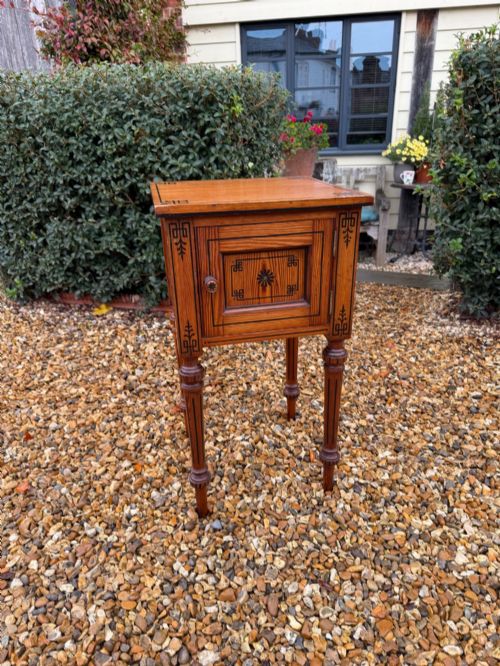
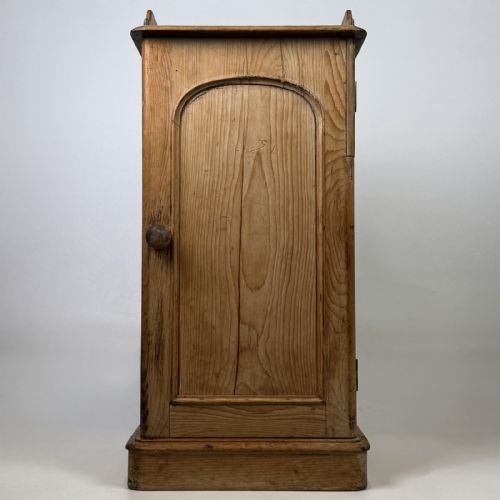
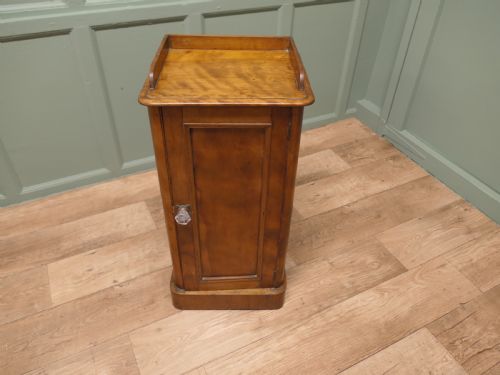
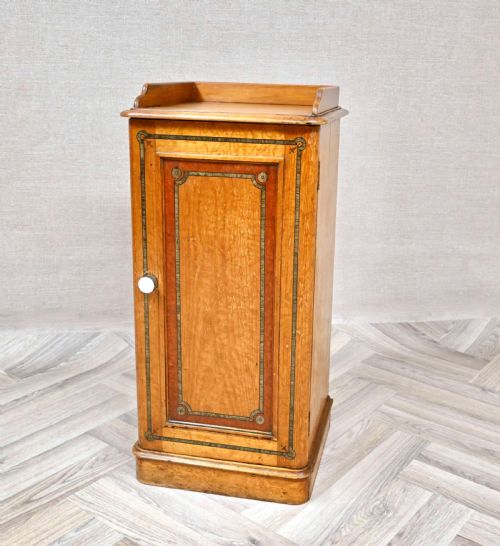
The refinement of the decorative details, from hand-painted ceramic fruit motifs to the precise joinery of boxwood spice towers and bedside pieces, separates standard domestic items from superior examples. Preservation of original surface finishes, whether glass clarity or warm wood patination, defines the upper tier of these objects.
Hukin and Heath·Asprey and Co.·Plichta Pottery·Maple and Co.
The Antique Honey Pot Glossary
- Silver plate
- A layer of silver fused to a base metal, typically copper or nickel brass, widely utilised for tableware mounts and stands during the nineteenth and twentieth centuries.
- Cut glass
- Glass decorated by cutting facets or patterns into the surface using a rotating wheel, creating brilliant light refraction on nineteenth-century table vessels.
- Treen
- Small handmade wooden domestic objects produced by turning or carving, encompassing boxes, spice towers, and treen containers.
- Preserve pot
- A container specifically shaped for holding jam, marmalade, or honey at the table, frequently supplied with a matching spoon and fitted lid.
Antique Honey Pot: Frequently Asked Questions
What is an antique honey pot used for?
These vessels were created to serve honey, jam, or preserves directly at the dining table during breakfast and afternoon tea.
They allowed households to present sweet spreads attractively using glass jars housed within silver-plated stands or decorative ceramic pots.
How do I date an antique honey pot?
Dating relies on identifying maker marks, hallmarks on silver plate or mounts, and stylistic traits associated with periods like the Victorian era or Art Deco.
Materials such as heavy cut glass combined with specific silver-plated frames typically point toward production between the late nineteenth century and the nineteen-thirties.
Are silver plate and cut glass original together?
Most fitted glass liners and their metal stands were manufactured as complete table service items by silversmiths and retailers.
Matching dimensions, rim fittings, and maker stamps help confirm that the glass container and its metal frame belong together.
How should I clean an antique honey pot?
Glass and ceramic portions can be washed gently in warm soapy water using a soft cloth to protect the glaze and cut patterns.
Silver-plated mounts and spoons require careful cleaning with non-abrasive silver polish to preserve the underlying metal without stripping the plating.