

Antique Hollowware Silver
Antique hollowware silver comprises useful vessels and containers shaped from metal to hold food and drink.
Antique Hollowware Silver
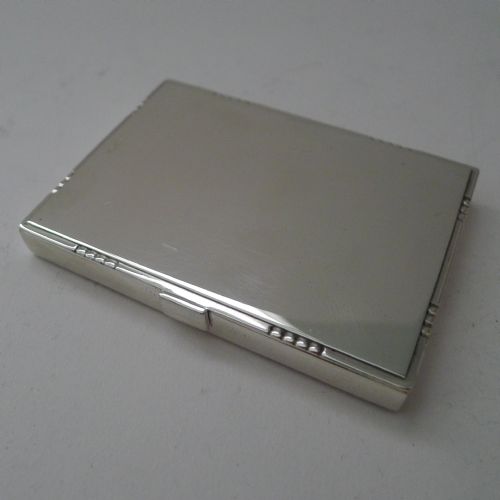
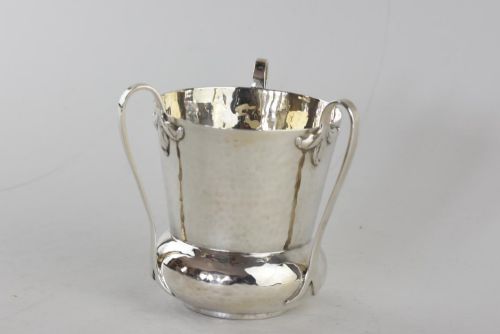
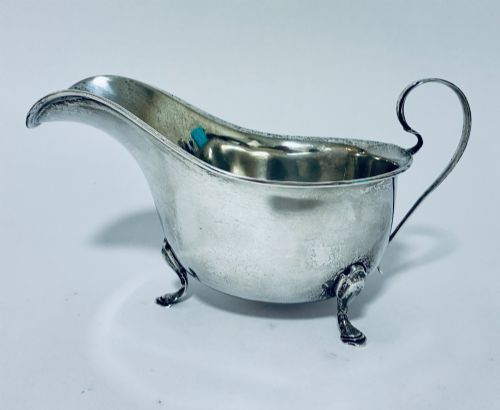
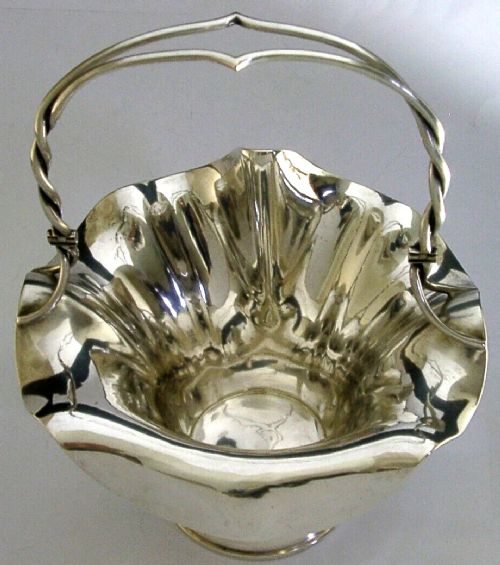
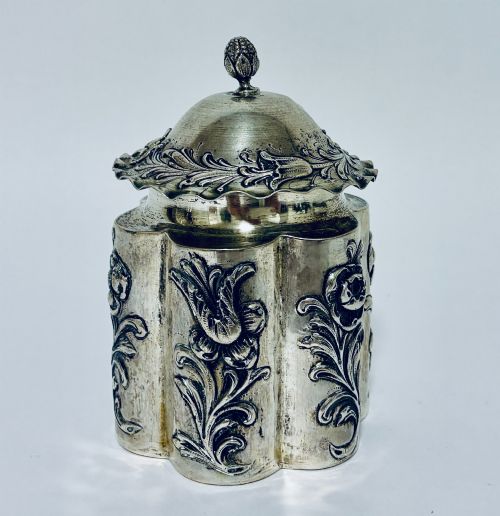
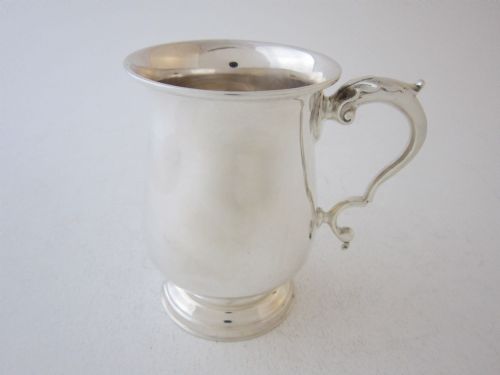
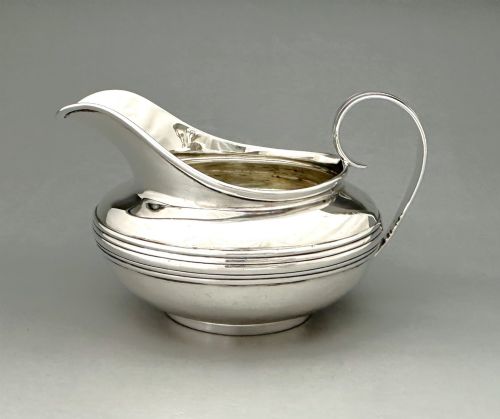
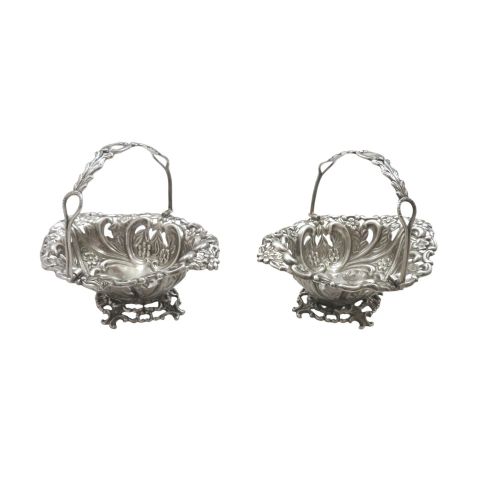
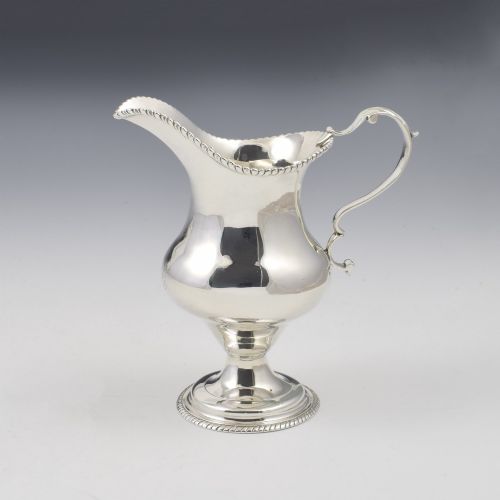
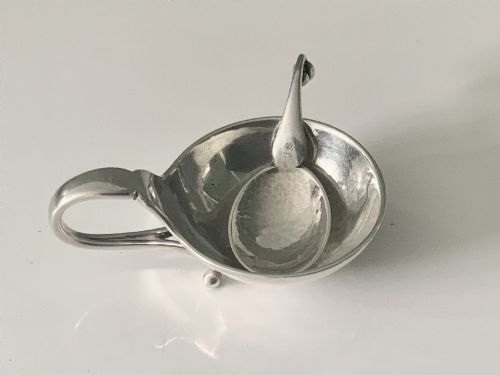
Antique hollowware silver spans domestic vessels designed for the table and sideboard, including cream jugs, teapots, sauce boats, tea caddies, baskets, and tankards. The pieces encountered here emerge from the Georgian, Victorian, Edwardian, and Art Deco periods, alongside the Arts and Crafts and Art Nouveau movements.
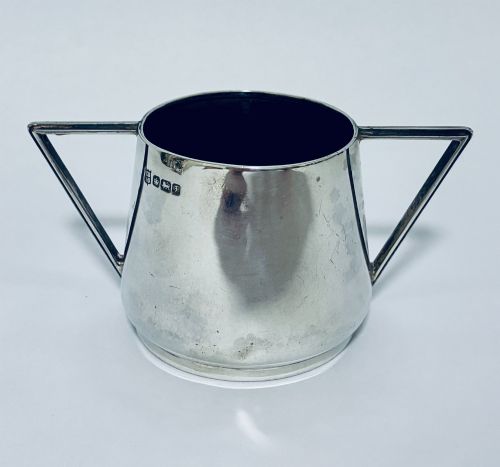
Teapots, cream jugs, and sugar bowls predominate among the surviving domestic forms, frequently accompanied by serving dishes and mustard pots. These domestic objects reflect the changing rituals of dining and tea consumption across the eighteenth, nineteenth, and early twentieth centuries.
Materials and construction
The objects take shape from sterling silver, solid silver, and silver plate, occasionally incorporating copper, wood, bone, and silver-gilt accents. Metals are beaten, cast, or hammered into hollow forms, sometimes utilising Old Sheffield plate techniques to fuse silver sheets to copper bases.
Makers employ piercing, chasing, and hand-hammering to ornament the surfaces of bowls, baskets, and jugs. Handles and mounts frequently integrate insulating materials like wood or bone to handle hot liquids safely.
Listings for antique hollowware silver incorporate objects spanning from the eighteenth century through the 1960s.
Distinctions in manufacture
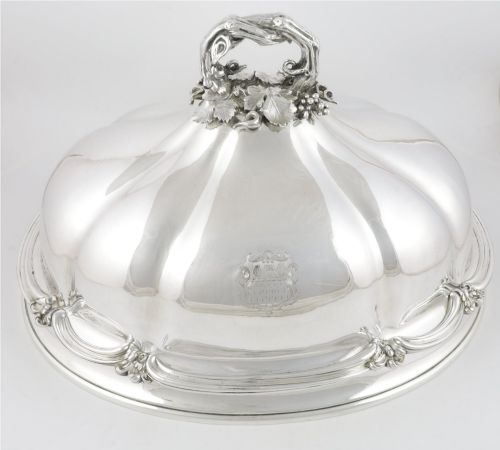
Weight and gauge of metal separate robust vessels from lighter domestic wares, demonstrating the substantive amount of silver employed in production. Substantial gauge provides structural integrity to teapots, meat covers, and heavy bowls.
Precision in chasing, piercing, and the assembly of handles and spats indicates the skill of the silversmith. Crisp detailing in cast decorative mounts and smooth interior gilding distinguish superior workshops.
Lambert and Co·Roberts Cadman·Georg Jensen·Stalker and Mitchison·Paul Storr·Mappin and Webb·Padley Parkin and Staniforth·Thomas Bradbury
The Antique Hollowware Silver Glossary
- Hollowware
- Tableware and vessels that possess interior capacity for holding contents, as opposed to flatware like spoons and forks. This category encompasses teapots, jugs, bowls, and tankards.
- Old Sheffield Plate
- An early composite material formed by fusing a thin sheet of silver onto a heavier copper base under heat. This technique precedes modern electroplating.
- Silver-gilt
- Sterling silver that has been coated with a thin layer of gold on its interior or exterior surfaces. This process protects the silver from tarnishing when in contact with acidic foods.
- Tyg
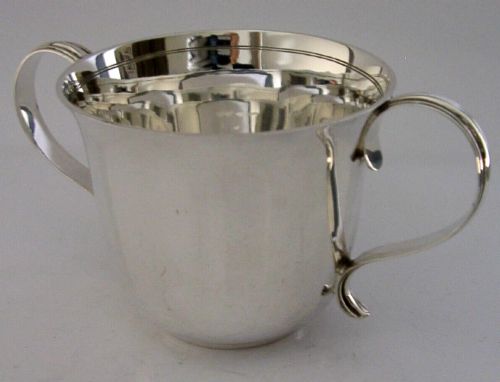
- A large drinking vessel featuring three or more handles designed for communal passing around a table. These vessels frequently appear in Arts and Crafts metalwork.
- Porringer
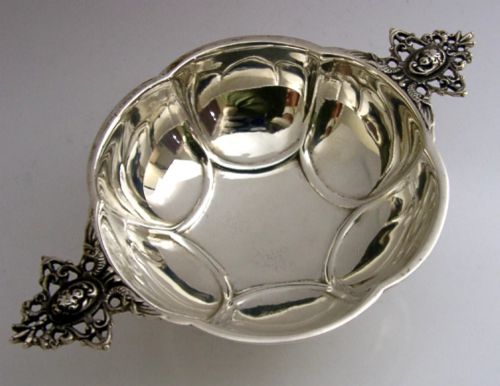
- A small, two-handled bowl used historically for porridges, broths, or soups. The form persists in silver as a presentation or christening piece.
Antique Hollowware Silver: Frequently Asked Questions
How were silver teapots used?
Silver teapots functioned as the central vessels for brewing and pouring tea during formal domestic gatherings. Their hollow bodies retained heat, while insulated handles protected the user's hand.
These pots formed part of larger matched or matched-style tea services that included cream jugs and sugar bowls. They occupied a prominent place on the tea table and sideboard.
How do I identify Georgian silver?
Georgian silver is identified by hallmarks stamped directly into the metal, indicating the assay office, date letter, and maker's mark. The styles reflect the Georgian period's characteristic classical restraint or ornate rococo revival.
Forms from this era emphasise hand-hammered construction, cast details, and substantial gauge metal. Pieces often bear engraved family crests or monograms reflecting their original ownership.
What is Old Sheffield plate?
Old Sheffield plate is an early composite material created by melting a sheet of sterling silver onto a copper ingot. The fused metals were then rolled into sheets and fabricated into domestic vessels.
This technique produces items that look and feel like solid silver but reveal subtle copper lines at exposed edges or wear points. It predates nineteenth-century electroplating methods.