



Antique Herb Chest
An antique herb chest brings historic apothecary and kitchen storage into a room, offering numerous small drawers designed for organising dried ingredients and medicines.
Antique Herb Chest
An antique herb chest is a compact storage piece designed historically to hold medicinal herbs, spices, and domestic remedies. When you search for an antique herb chest, you encounter a variety of forms including small countertop spice boxes, multi-drawer apothecary chests, and wall-hanging cupboards.
The pieces appearing on this page span several distinct traditions, from English Georgian and Victorian country workshop items to Chinese provincial and Japanese Meiji period examples. English versions often appear in mahogany, oak, and pine, while Asian pieces frequently utilise elm and fruitwood.
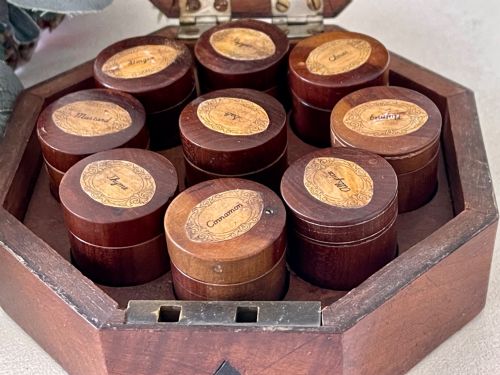
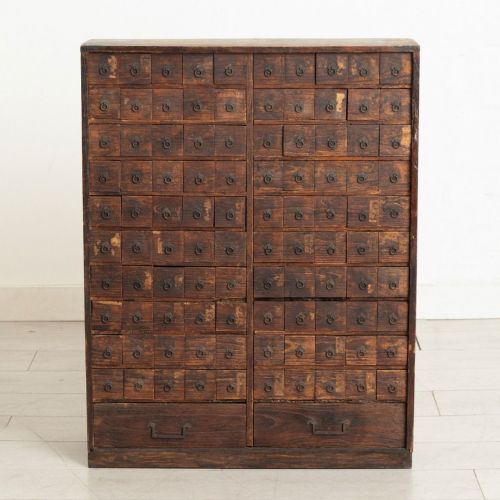
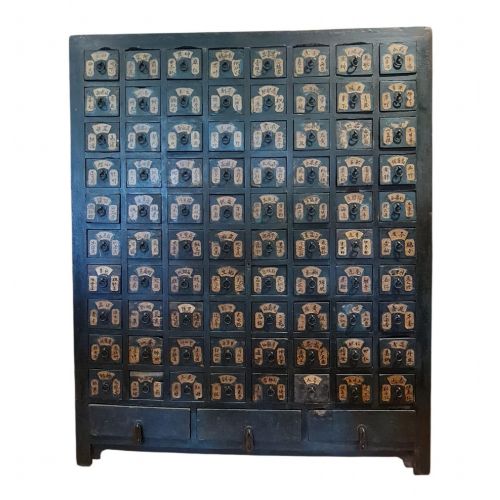
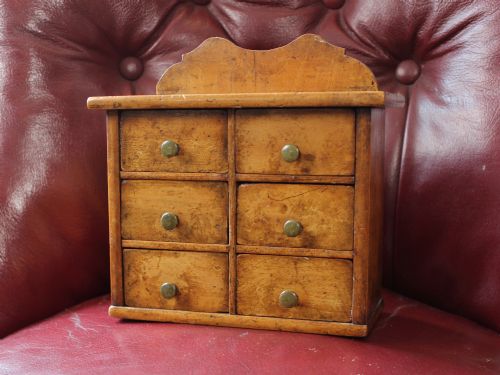
Formations range from octagonal tabletop boxes with internal pots to extensive banks of small drawers intended for traditional pharmacies. Buyers are most likely to encounter 19th-century pine and oak wall-hanging spice boxes alongside larger modular apothecary cabinets.
How they were made
Cabinetmakers constructed these chests using solid hardwoods like mahogany, oak, and elm, often paired with softer secondary timbers such as pine for internal framing and drawer construction. Dovetail joints frequently secure the drawer corners, demonstrating traditional hand-tool carpentry methods.
Surface treatments vary widely according to origin, featuring clear waxed finishes that highlight natural grain patterns alongside painted or decorated exterior surfaces. Iron and brass hardware, including small drop handles and hinges, provide functional operation and structural reinforcement.
Antique Herb Chest Retail Price Guide 2026
Typical asking prices for herb chest among the pieces listed under this phrase on Sellingantiques today, from the lower quarter to the upper quarter. They describe what is for sale here now, not the wider market.
Listings feature pieces spanning the 18th century through to the early 20th century, utilising oak, pine, elm, mahogany, and fruitwood.
What varies in quality
Quality in these chests rests upon the integrity of the timber selection and the precision of the joinery within the drawer construction. Finer pieces display tight dovetailing and consistent timber matching across the numerous small drawer fronts.
The sophistication of the original hardware and the survival of internal fittings, such as ceramic pots or individual compartment dividers, elevate the distinction of a piece. Regional variations in carving detail and decorative paint work also distinguish standard utility items from more ambitious workshop productions.
The Antique Herb Chest Glossary
- Apothecary chest
- A multi-drawer cabinet historically used by practitioners of medicine to store dried plants, minerals, and prepared remedies.
- Spice box
- A small domestic chest or wall-hanging cupboard fitted with internal compartments or miniature drawers for culinary ingredients.
- Dovetail
- A joint formed by interlocking wedge-shaped fingers, commonly found at the corners of period drawers.
- Provincial
- Describing items made in regional workshops outside metropolitan centres, often reflecting local material availability and vernacular styles.
Antique Herb Chest: Frequently Asked Questions
What did people store in an antique herb chest?
These chests held dried botanical ingredients, spices, roots, and pre-measured medicinal compounds used in domestic households and professional apothecaries.
The numerous small drawers kept volatile substances separate, organised, and protected from light and moisture.
Where were these cabinets placed in a home?
Smaller spice boxes were typically hung on walls in kitchens or placed upon counters for immediate access during food preparation.
Larger apothecary cabinets stood on floors or counters in workrooms, surgeries, and shop interiors where volume storage was necessary.
How do I date an antique herb chest?
Dating relies on examining the timber species, construction methods like hand-cut dovetails, and the style of the exterior hardware.
Regional characteristics and secondary woods also offer clues to the period and geographic origin of the workshop.
Can these chests be used in modern rooms?
The compartment layout makes these chests practical for organising small household items, stationery, or craft supplies.
Placing them in living spaces or kitchens adds historic character while providing functional compartmentalised storage.