





Antique Heraldic Art
Antique heraldic art brings centuries of lineage and civic pride into your rooms through hand-painted coats of arms, carved panels and armorial glass.
Antique Heraldic Art
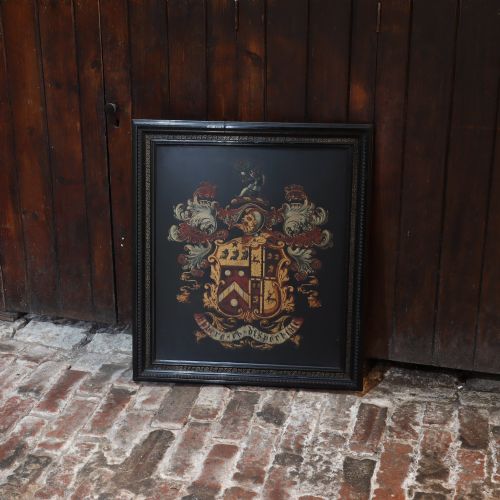
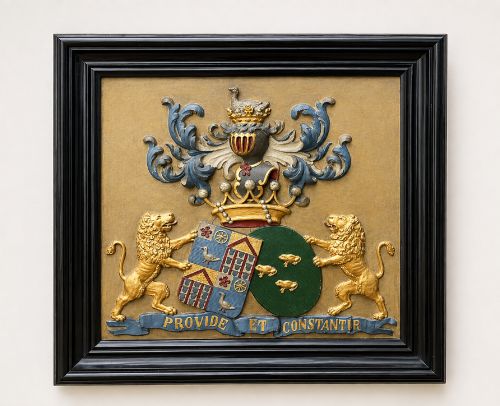
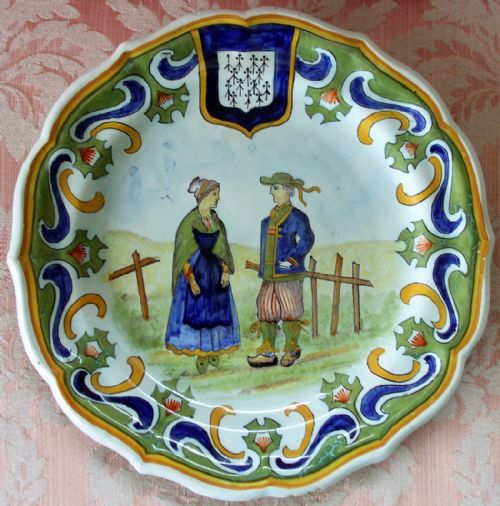
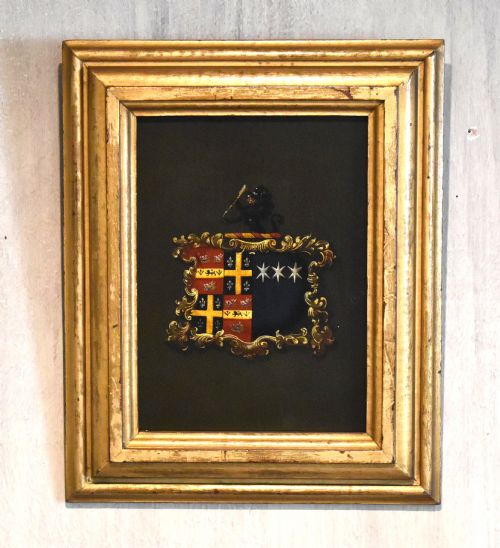
When you search for antique heraldic art, you encounter a diverse array of objects bearing coats of arms, crests and armorial bearings. These pieces originate from multiple centuries, spanning carved wooden wall plaques, painted panels and decorative tableware.
The version you are most likely to meet on this page is from the nineteenth century. Common forms include framed wall art, painted coach panels and ceramic dishes bearing distinct familial or institutional insignia.
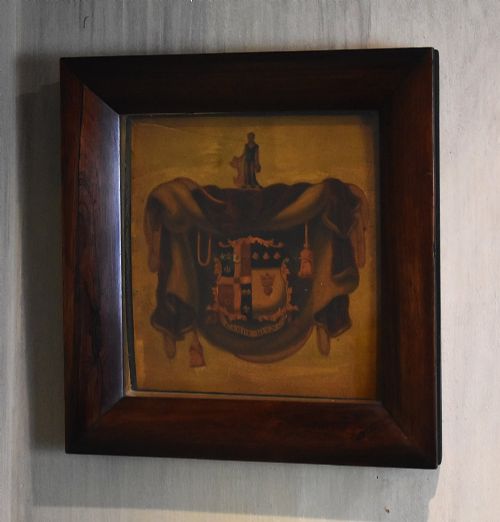
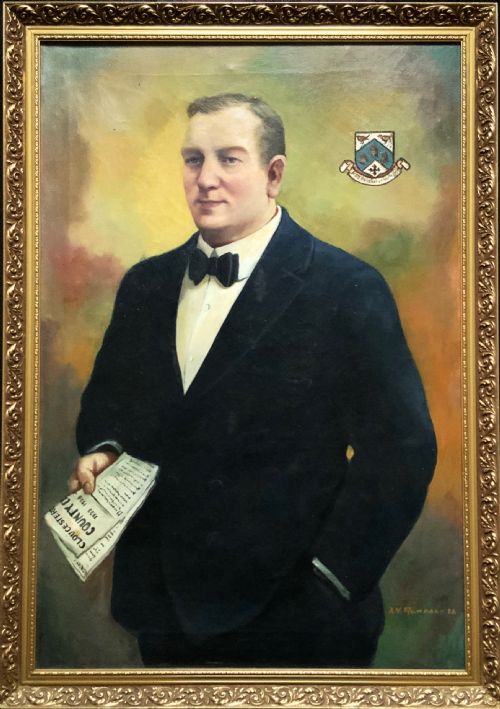
Makers and artists applied heraldic motifs across varied media, from oil on glass and paper prints to cast iron and carved oak. Each item reflects the heraldic traditions of its specific period, whether Georgian, Victorian or seventeenth-century.
Materials and construction methods
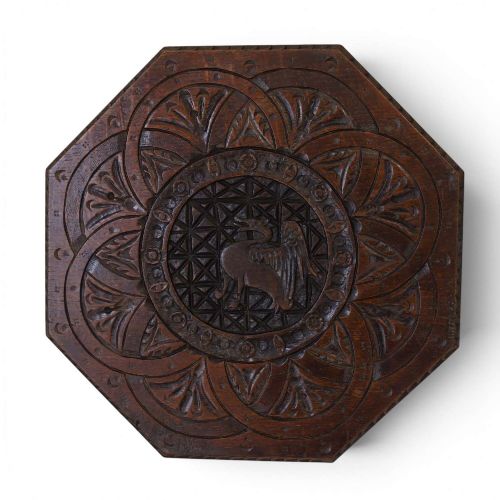
Wood serves as a primary substrate, seen in carved oak crests, painted panels and book cover bindings. Artisans shaped these pieces through meticulous carving and joined them with traditional framing techniques.
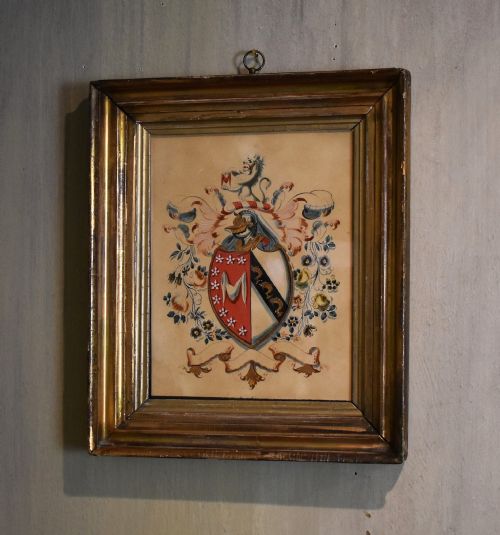
Paint and pigment feature extensively across the selection, applied as oil paint on glass, watercolour on paper, or polychrome decoration on French faience ceramics. Gilded wood and gilt accents frequently highlight the armorial details.
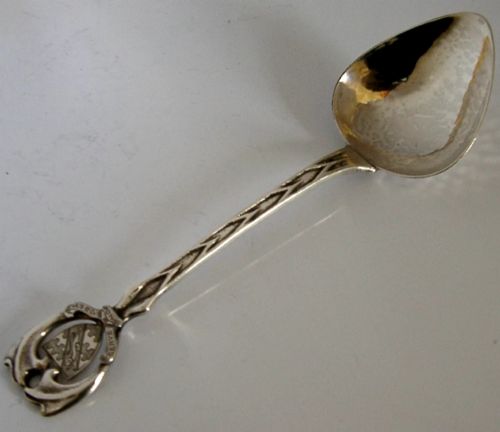
Metalwork and glass represent alternative manufacturing methods within the category. Items incorporate cast iron, bronze, sterling silver and silvered glass to render durable armorial plaques, spoons and vases.
Antique Heraldic Art Retail Price Guide 2026
Typical asking prices for heraldic art among the pieces listed under this phrase on Sellingantiques today, from the lower quarter to the upper quarter. They describe what is for sale here now, not the wider market.
The listings span from the seventeenth century through the early twentieth century, incorporating materials like wood, glass, paper, oil paint, oak, gilded wood, paint, and gilt.
Distinctions in quality and execution
The standard of fine art execution marks the upper tier of these pieces. Skilled hand-painting in oil or watercolour, combined with precise heraldic detailing, separates superior works from standard decorative items.
Material selection and depth of carving dictate the distinction in sculptural and wooden pieces. Deeply carved oak and substantial bronze or cast iron demonstrate a higher grade of craftsmanship than simpler pressed forms.
The integrity of the armorial attribution and the preservation of the original surface determine the desirability of each object. Intact provenance regarding specific families or institutions elevates the historical significance of the piece.
Connell·Loetz Witwe·Janssonius·Icilio Federico Joni
The Antique Heraldic Art Glossary
- Coat of arms
- A distinct heraldic design on a shield or background, historically used to identify noble families, military units and civic bodies. It forms the central motif of most armorial pieces.
- Armorial
- Relating to or bearing a coat of arms. Collectors use this term to describe objects decorated with heraldic insignia.
- Faience
- Tinned-glazed earthenware originating in Europe, notably produced in places like Desvres. These ceramic dishes often carried hand-painted heraldic designs.
- Coach panel
- A wooden panel, frequently painted with a family crest, originally affixed to the side of a horse-drawn carriage. Georgian examples are particularly sought after for their decorative display.
- Biccherna
- Painted wooden administrative book cover bindings associated with Sienese tradition. They incorporate heraldic and pictorial elements unique to Italian governance history.
Antique Heraldic Art: Frequently Asked Questions
What is antique heraldic art?
Antique heraldic art comprises historical objects decorated with coats of arms, crests, and armorial bearings. These pieces include painted panels, carved wooden plaques, ceramics, and metalwork created to display family lineage or institutional identity.
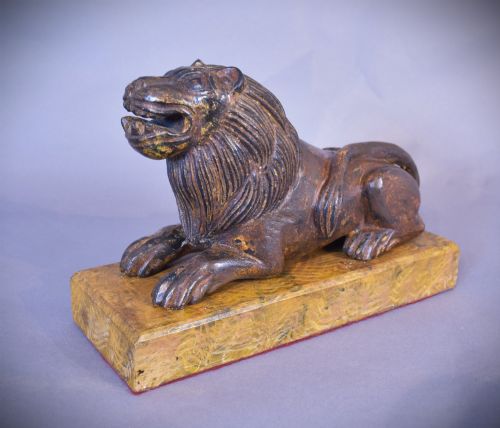
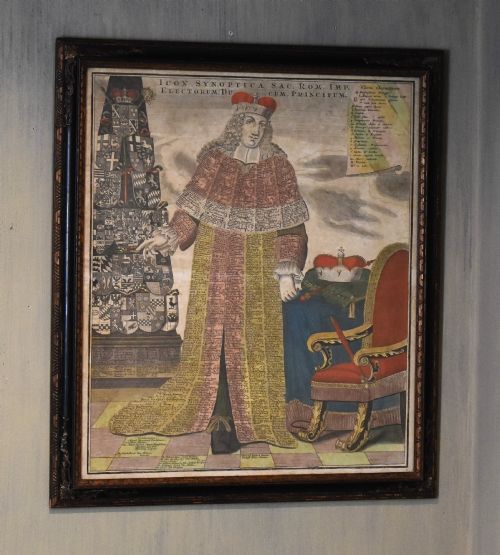
Items range from seventeenth-century maps and carved lions to nineteenth-century coach panels and commemorative embroidery. Each piece serves as a visual record of historical heraldry.
How were heraldic coach panels used?
Heraldic coach panels were originally mounted on the exterior doors of private horse-drawn carriages during the Georgian and Victorian eras. They displayed the owner's coat of arms to signal social standing while travelling.
When carriages fell out of use, these painted wooden panels were frequently removed and repurposed as decorative wall plaques for interior display.
How do I identify seventeenth-century pieces?
Seventeenth-century pieces typically exhibit the distinct material characteristics and manufacturing techniques of the Stuart or early modern periods. Evidence includes hand-coloured cartography, early oil portraits, and deep wood carvings.
Examining the substrate, pigments, and framing methods helps distinguish these earlier works from nineteenth-century revivals and later reproductions.
Where should I display armorial wall plaques?
Armorial wall plaques require stable indoor environments away from direct sunlight and excessive moisture to preserve painted surfaces and wood integrity. Large carved panels and framed coach panels suit prominent wall spaces in libraries or studies.
Smaller ceramic dishes and glass vases benefit from secure shelving or specialised display cabinets where their detailed heraldic motifs can be observed closely.