



Antique Helmet Scuttle
An antique helmet scuttle combines a practical fireside coal container with distinctive flared metalwork.
Antique Helmet Scuttle
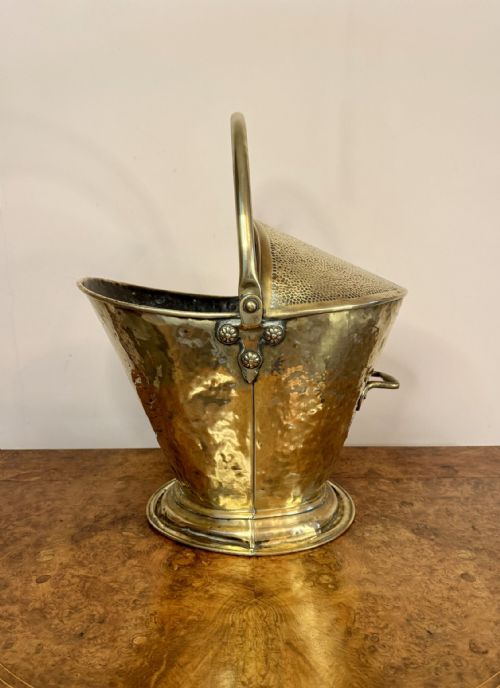
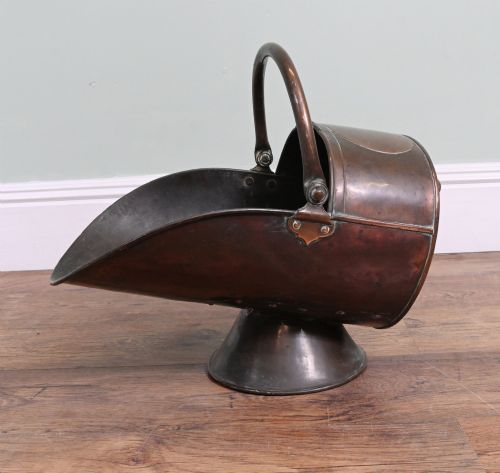
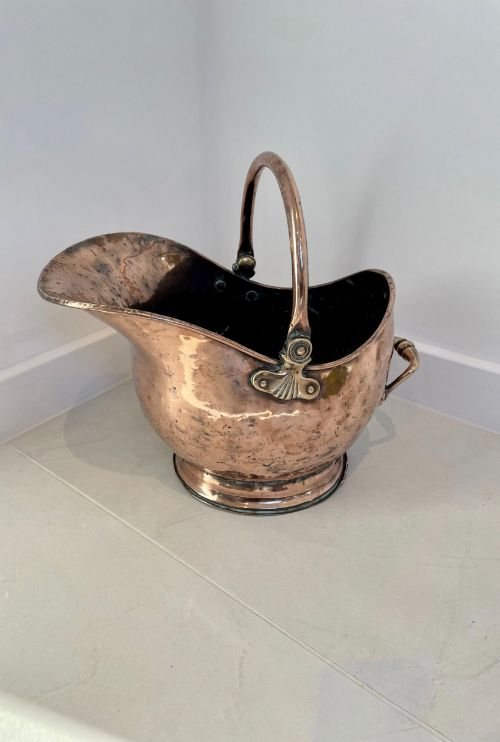
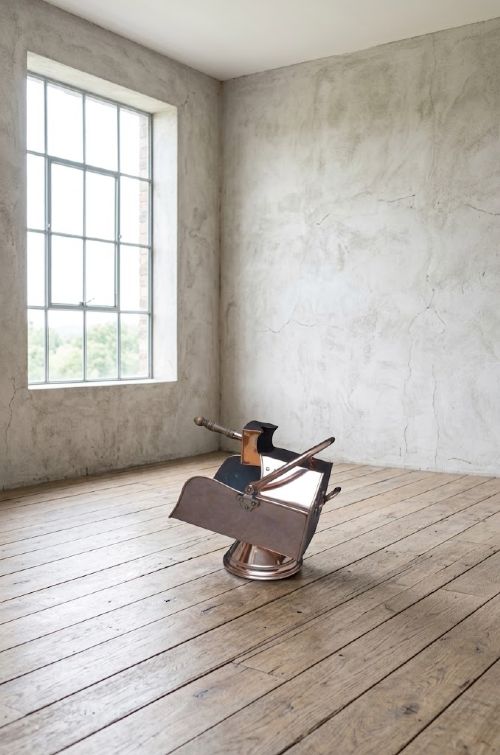
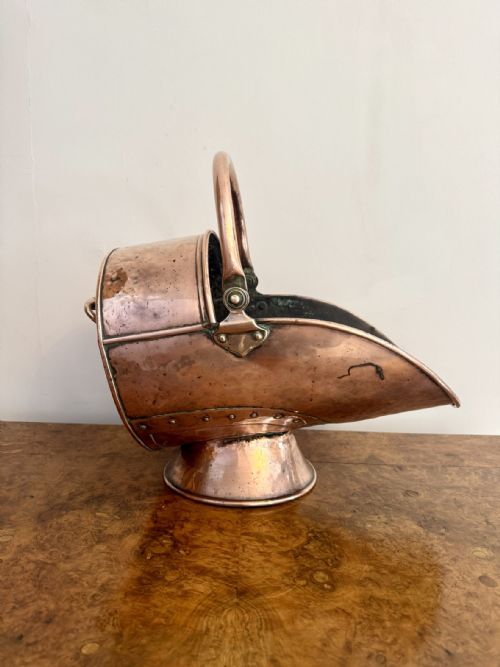
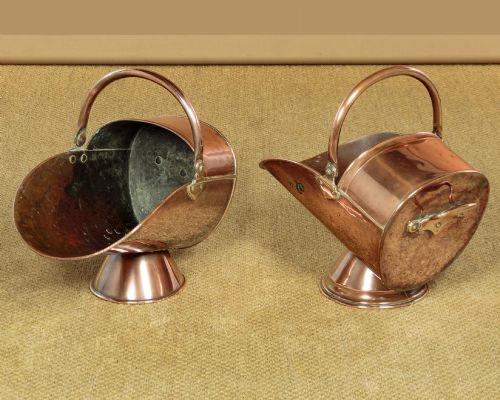
When searching for an antique helmet scuttle, buyers find open-topped metal containers designed for holding domestic coal by the fireplace. The form takes its name from a characteristic sloping profile that resembles a traditional helmet, allowing fuel to be tipped out cleanly.
Most examples encountered on this page date from the Victorian period, though earlier Georgian pieces and later Edwardian designs also appear. These vessels serve primarily as fireside accessories, often accompanied by matching shovels or handling fixtures.
How They Were Made
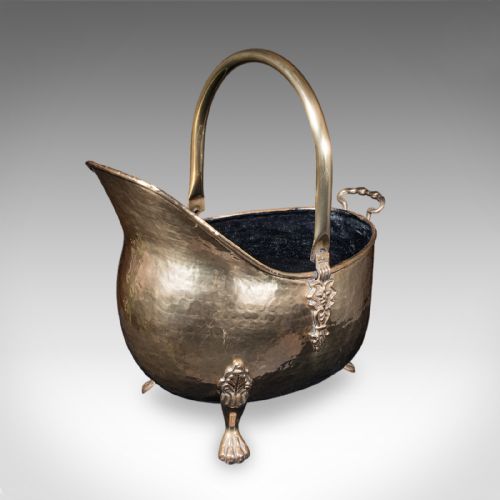
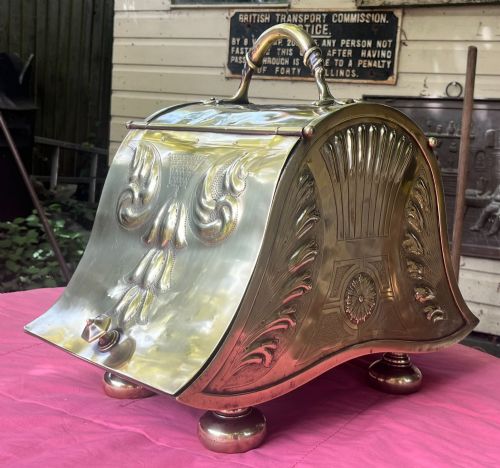
Makers shaped these vessels predominantly from sheet copper and brass, employing techniques such as panel beating, hammer finishing, and embossing to create rigid yet decorative bodies. Iron and cast iron components appear alongside wood and ebonised details for handles and feet.
Joints were typically joined securely to withstand heavy daily use carrying fuel, while polished surfaces or applied brass trim provided the bright finish valued in period parlance.
Antique Helmet Scuttle Retail Price Guide 2026
Typical asking prices for helmet scuttle among the pieces listed under this phrase on Sellingantiques today, from the lower quarter to the upper quarter. They describe what is for sale here now, not the wider market.
Listings span the Georgian, Victorian, and Edwardian periods, utilising brass, copper, wrought iron, and ebonised wood.
What Varies In Quality
Construction gauge and metal thickness largely separate standard utility pieces from finer examples, influencing how well the body resists dents from heavy coal loads. The crispness of hand-beaten texturing or embossed decoration indicates the skill applied during manufacture.
The presence of original matching shovels, robust swing handles, and maker marks adds significant distinction to individual specimens.
Benham and Froud·Henry Loveridge·William Souter and Sons
The Antique Helmet Scuttle Glossary
- Helmet scuttle
- A fireside coal container featuring a flared, sloping rim and a flat base, designed for ease of pouring fuel. The shape mimics historical headwear.
- Fireside accessory
- Any functional or decorative item placed around the domestic hearth, including coal buckets, log bins, and shovels. These items combined utility with Victorian interior display.
- Hammer beaten
- A surface finish produced by repetitive manual strikes with a hammer, leaving visible indentations that catch the light. This technique is frequently seen on Arts and Crafts copper pieces.
- Ebonised wood
- Timber treated with a dark finish to imitate expensive ebony, often utilised for handles and feet on metal coal vessels. It provides a stark contrast against polished brass or copper.
Antique Helmet Scuttle: Frequently Asked Questions
How do I clean brass and copper?
Period metalware responds best to gentle cleaning with appropriate metal polishes to maintain the reflective shine desired by original owners. Heavy abrasive pads should be avoided to preserve any surface texture or hammer beating.
Many collectors prefer to retain a degree of aged patina rather than polishing the metal to a mirror finish.
Were these used for coal only?
While primarily manufactured for coal storage, these vessels frequently held wood blocks, kindling, or peat briquettes depending on the fuel available in the household. Period listings often categorise them interchangeably as log bins or fireside baskets.
Today, owners often repurpose them to hold hearth accessories, umbrellas, or dried floral arrangements.
How do I date a metal scuttle?
Dating relies upon stylistic markers, construction methods, and materials, with Georgian examples showing simpler hand-beaten lines and Victorian versions often featuring embossed decoration. Edwardian and Arts and Crafts pieces introduce distinct surface textures and bolder decorative motifs.
Makers' stamps located on the base or rim provide the most definitive chronological anchor when present.