



Antique Heavy Chairs
These antique heavy chairs bring substance and historical presence to a room, spanning solid oak wainscot pieces to imposing carved throne designs.
Antique Heavy Chairs
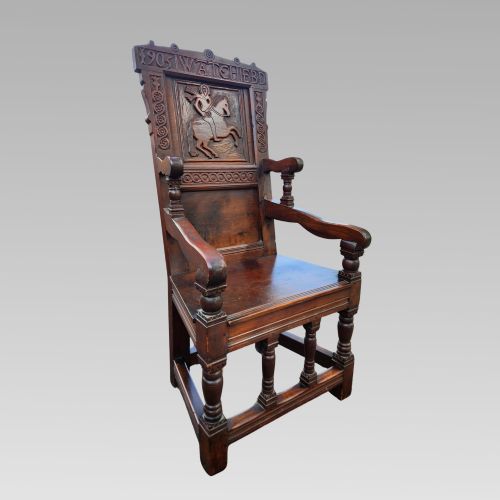
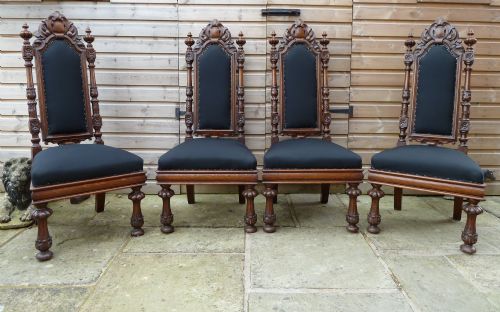
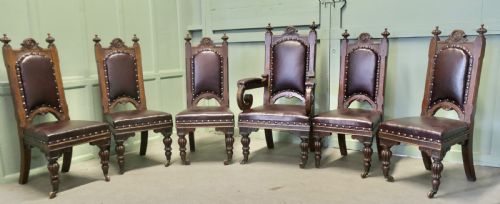
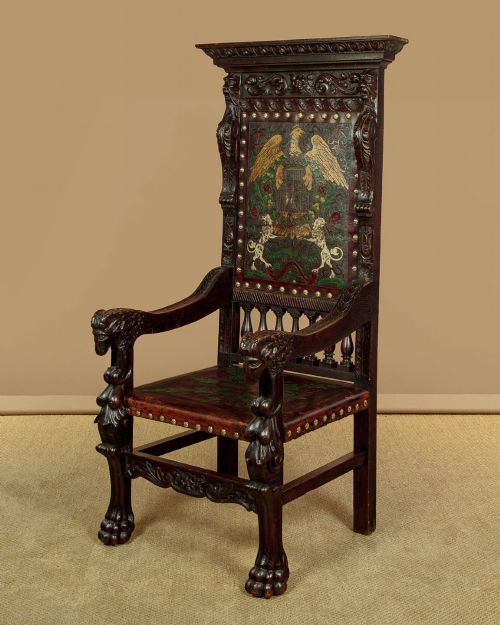
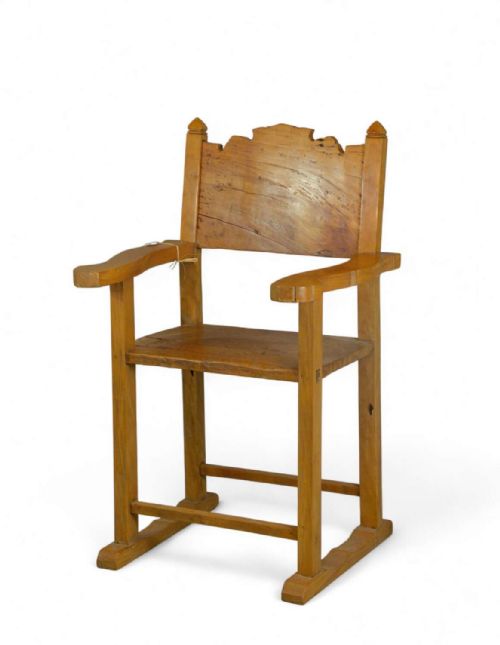
When you search for antique heavy chairs, you encounter substantial seating built primarily from robust timbers such as oak, hardwood, and pitch pine. The selection centres on forms designed to command a space, including high-back dining sets, wainscot chairs, and grand throne armchairs.
The evidence on this page shows pieces originating across the seventeenth, eighteenth, nineteenth, and early twentieth centuries. Revival styles dominate, with Victorian Gothic, Jacobean, and Renaissance revivals appearing frequently alongside vernacular regional seating.
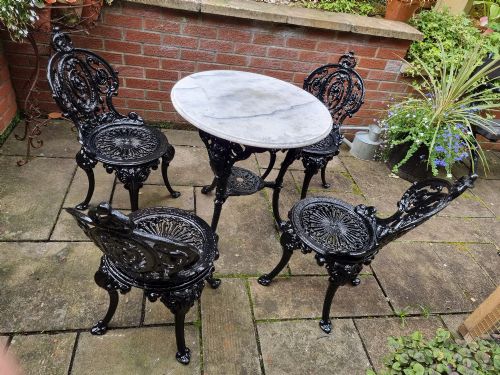
Armchairs, side chairs, and garden sets make up the forms available, often distinguished by generous proportions and solid construction. These chairs were built to last, utilising dense woods and substantial framing that account for their notable weight.
How they were made
Makers relied heavily on solid oak and dense hardwoods, framing chairs with thick panels and substantial stretchers for structural integrity. Joinery typically involved mortise and tenon joints secured with wooden pegs, ensuring the pieces could withstand decades of heavy daily use.
Carving formed a central part of the manufacturing process, with artisans hand-chiselling intricate details such as strapwork, foliage, and figurative motifs directly into the timber. Upholstery, where present, utilised materials like leather, velvet, and heavy textiles fastened with brass tacks.
Antique Heavy Chairs Retail Price Guide 2026
Typical asking prices for heavy chairs among the pieces listed under this phrase on Sellingantiques today, from the lower quarter to the upper quarter. They describe what is for sale here now, not the wider market.
One exceptional Victorian hunting armchair comes complete with hand-carved hounds keeping watch from the wooden arms.
What varies in quality
The standard of carving sets finer examples apart, distinguishing workshop pieces with crisp, deep relief work from simpler vernacular items. Depth and proportion in the woodwork dictate the visual impact of the chair.
Originality of timber and surface patination determine the grade of the piece. Chairs retaining their early finish and solid, unmodified frames hold greater integrity than those with extensive timber replacement or later alterations.
S&H Jewell
The Antique Heavy Chairs Glossary
- Wainscot chair
- An early wooden armchair characterised by panelled backboards and solid construction, commonly made of oak. They date back to the seventeenth century and earlier.
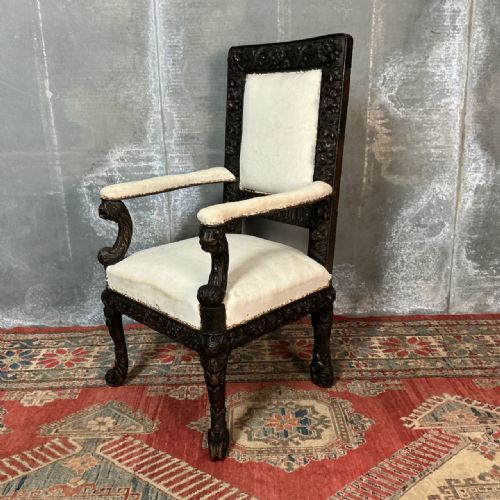
- Throne chair
- An imposing, high-backed armchair designed with grand proportions and heavy carving. These pieces often feature Renaissance or Gothic revival characteristics.
- Gothic Revival
- A nineteenth-century design movement inspired by medieval architecture. It utilises pointed arches, tracery, and heavy carved details.
- Turned chair
- An early form of seating constructed primarily from turned wooden spindles and posts. These chairs appear in English traditions from the seventeenth century.
- Carver arm
- An armchair designed to match a set of dining side chairs, traditionally placed at the head of the table. They feature supportive armrests integrated into the framing.
Antique Heavy Chairs: Frequently Asked Questions
What defines a wainscot chair?
A wainscot chair is an early form of wooden seating built with solid panelled backs and sturdy frames. They are typically constructed from oak and date back to the seventeenth century.
These chairs derive their name from wainscot oak panels used in interior wall construction. Their heavy build and rigid proportions make them distinct focal points in historic interiors.
Where should I place a heavy throne chair?
Throne chairs suit spaces with high ceilings and substantial proportions, such as a hallway, library, or drawing room. Their imposing height and carved backs require a clear wall or corner.
Because of their physical weight and broad armrests, they function best as standalone statement pieces rather than standard seating around a table.
What materials were used for upholstery?
Original upholstered elements on these chairs typically include leather, velvet, or heavy woven textiles. These materials were chosen for durability and visual weight.
Fastenings often consist of brass tacks securing the fabric directly to the timber frame. Many surviving examples retain their exposed wooden backs and seats without fabric.