



Antique Hearth Stove
These antique hearth stove pieces bring warmth and functional craft into a room, offering genuine historic utility for your fireside.
Antique Hearth Stove
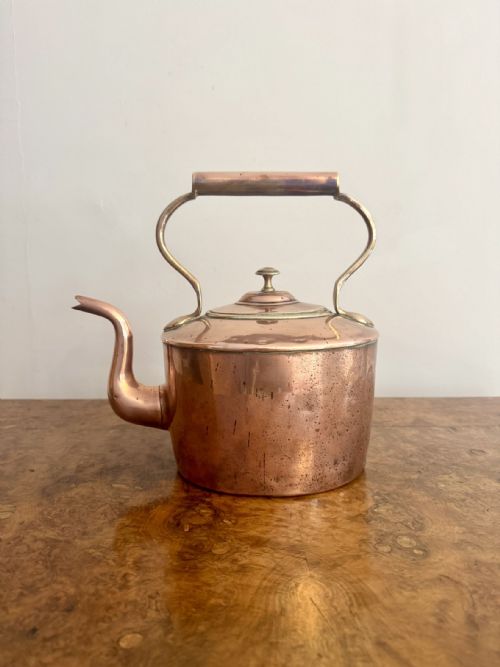
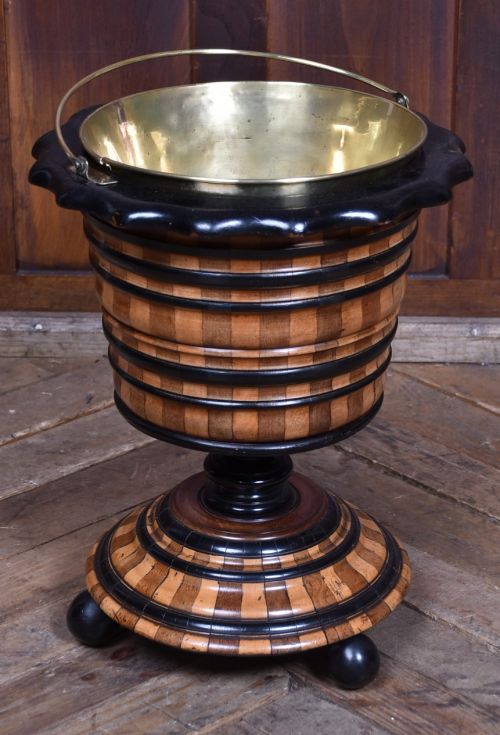
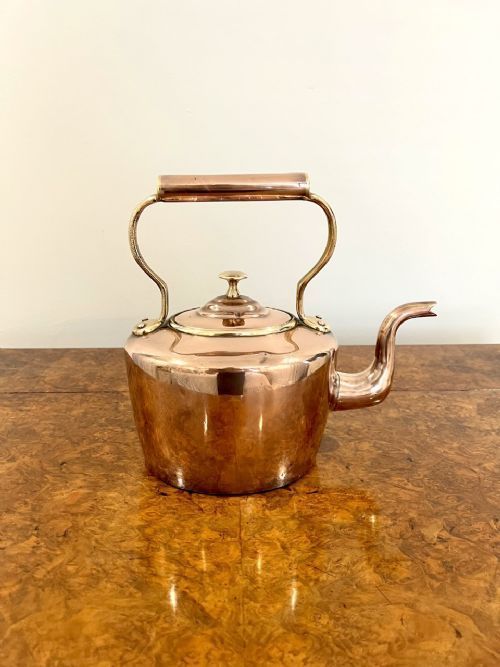
When you search for an antique hearth stove, you encounter a specialised group of fireside accessories, kettles, and foot warmers spanning the Georgian, Victorian, and nineteenth-century periods. These items range from copper and brass water kettles to carved wooden foot warmers and peat buckets used historically to heat homes.
How they were made
Makers utilised durable metals such as copper and brass to construct water kettles and liners, shaping them to withstand direct contact with coal and peat fires. Handles and fittings often integrated wood or mixed hardwoods to insulate against the intense heat.
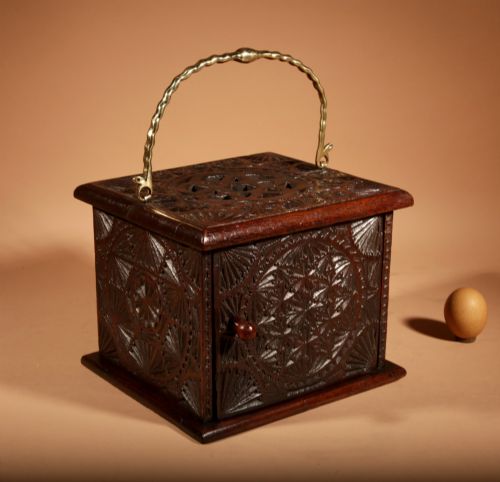
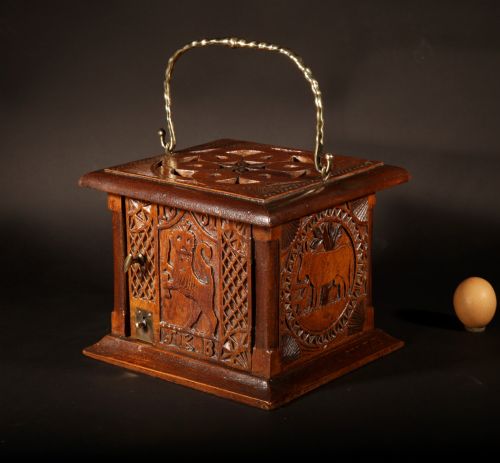
Wooden items like foot stoves and peat buckets demonstrate detailed chip carving, painting, and ebonising techniques. Artisans applied these decorative methods across oak and walnut surfaces, occasionally incorporating leather or lacquer details.
Antique Hearth Stove Retail Price Guide 2026
Typical asking prices for hearth stove among the pieces listed under this phrase on Sellingantiques today, from the lower quarter to the upper quarter. They describe what is for sale here now, not the wider market.
Some nineteenth-century foot stoves feature intricate chip carvings that doubled as tactile fidget toys for freezing churchgoers.
What varies in quality
The standard of an antique hearth stove depends significantly on the crispness and depth of the hand carving found on wooden foot warmers, as well as the preservation of original brass liners. Superior examples display intricate chip carving or specific regional motifs like the Turkish knot.
Metal vessels vary according to the weight of the copper and the integrity of the brazed seams. Pieces retaining their original polished finish and uncompromised brass attachments represent the higher echelon of surviving fireside equipment.
The Antique Hearth Stove Glossary
- Foot stove
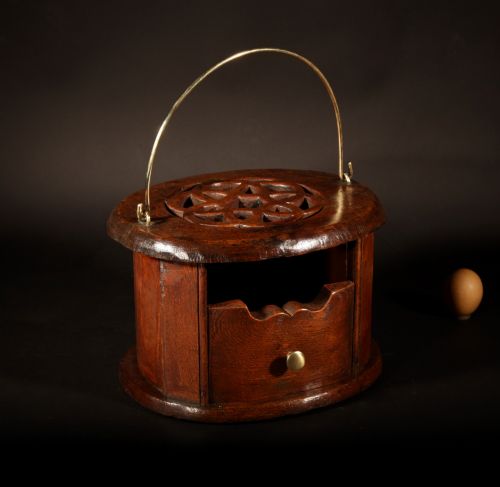
- A small wooden box with a perforated lid designed to hold hot embers, keeping feet warm during cold weather. These often feature internal brass liners to contain the heat safely.
- Peat bucket
- A deep container used for holding turf or peat fuel near the fireplace. They frequently appear in walnut or mixed hardwoods from the Victorian era.
- Chip carving
- A woodcarving technique where small chips are removed from a single piece of wood to create geometric patterns. This method appears widely on Frisian and Dutch foot stoves.
- Turkish knot
- A traditional decorative motif carved into the wooden tops of certain nineteenth-century foot warmers. It forms a distinct geometric pattern characteristic of specific regional folk art.
- Teestoof
- The Dutch term for a foot stove that also served to keep a small teapot warm. These items combine domestic heating with everyday kitchen utility.
Antique Hearth Stove: Frequently Asked Questions
How did foot warmers work?
These small wooden boxes held hot embers or peat gathered from the main fireplace. Users placed their feet on the perforated wooden lid to trap and utilise the rising heat.
Inside, a removable metal liner protected the wood from burning. This simple mechanism provided personal warmth in draughty rooms long before central heating existed.
What is the difference between a kettle and a tea stove?
Copper kettles sat directly on the hearth or hob to boil water for washing and drinking. They relied on metal construction to conduct heat rapidly.
Tea stoves combined the heating function of a foot warmer with the specific task of keeping a brew warm. They often took oval wooden forms with internal metal compartments.
Where were foot stoves made?
Many surviving examples originate from the Netherlands and Friesland, reflecting strong regional folk art traditions. Local craftspeople carved these pieces from native woods like oak.
British workshops also produced variations, though Dutch country folk styles remain particularly prominent. The carved details often point directly to these continental origins.
How do I care for copper kettles?
Copper pieces require gentle cleaning to maintain their polished appearance without removing the historic character. Avoid harsh abrasives that can thin the metal over time.
Keep them in dry environments to prevent active corrosion on the brass and copper surfaces. Regular dusting preserves the aged patina developed over the centuries.