

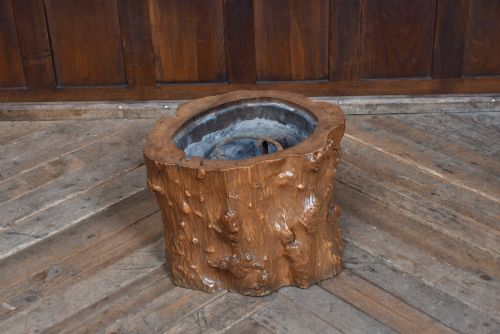
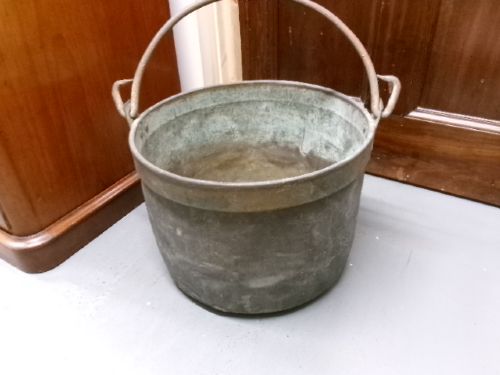
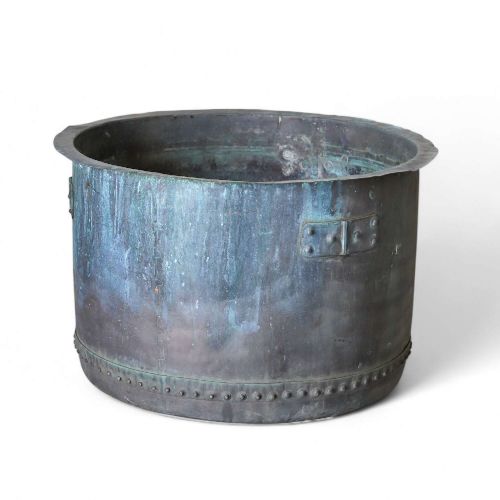
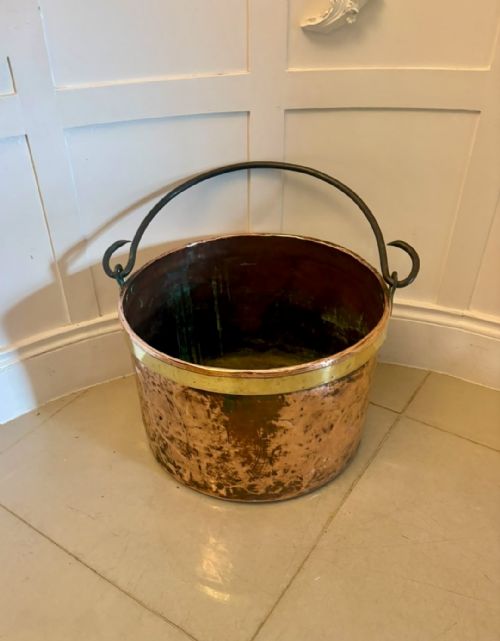
Antique Hearth Pot
These heavy metal vessels and fireplace accessories span centuries of domestic use, giving hearths a grounded utility.
Antique Hearth Pot
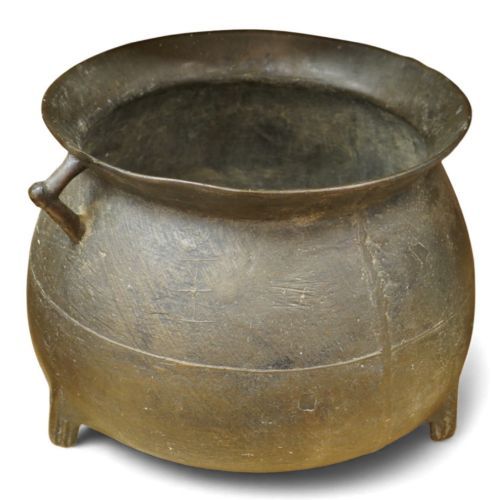
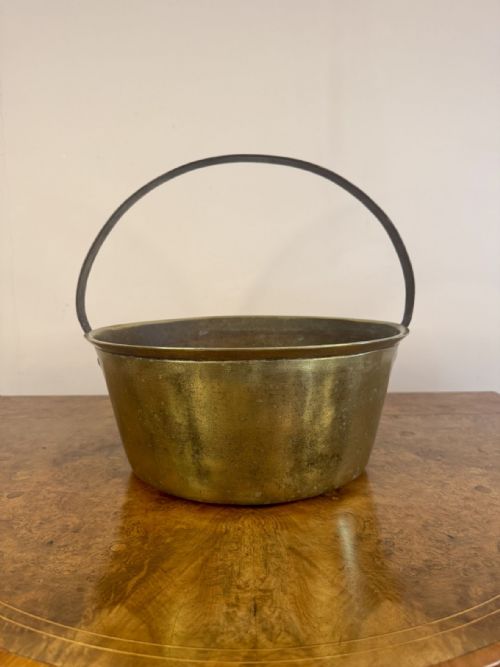
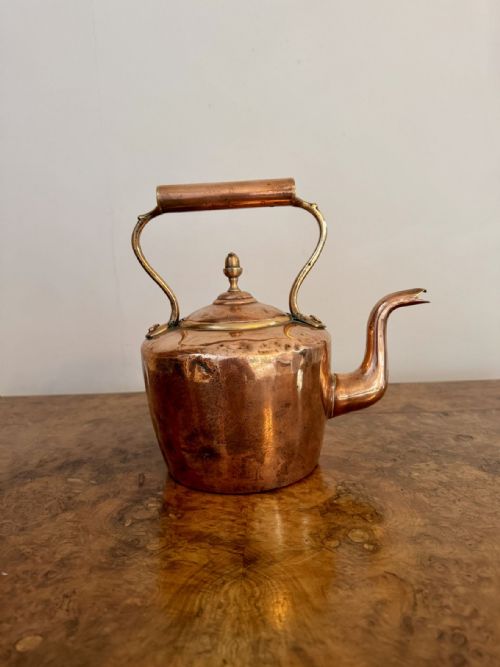
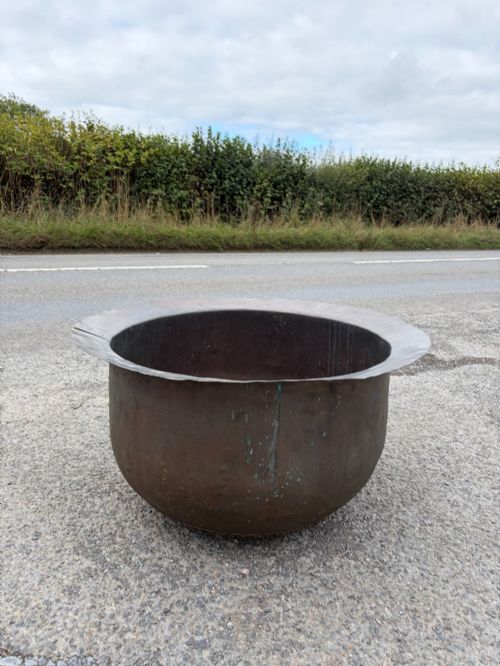
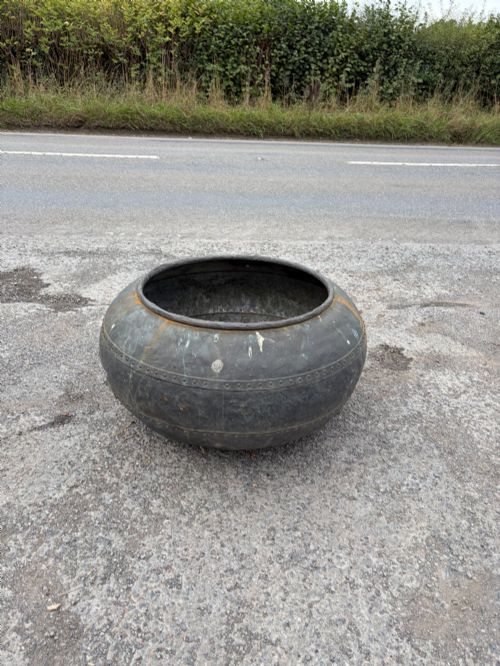
When searching for an antique hearth pot, buyers encounter a diverse range of heavy metalware designed for domestic service beside the fireplace or kitchen fire. The selection spans sturdy seventeenth-century bronze cauldrons to refined Georgian copper pans, preserving pans, and utilitarian iron hardware.
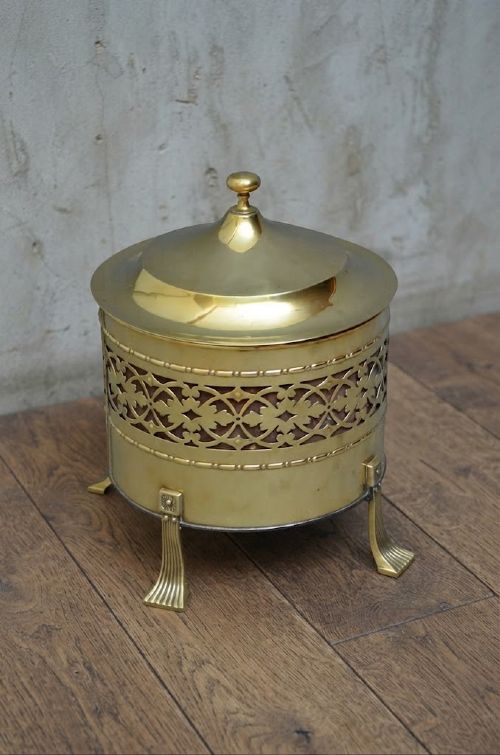
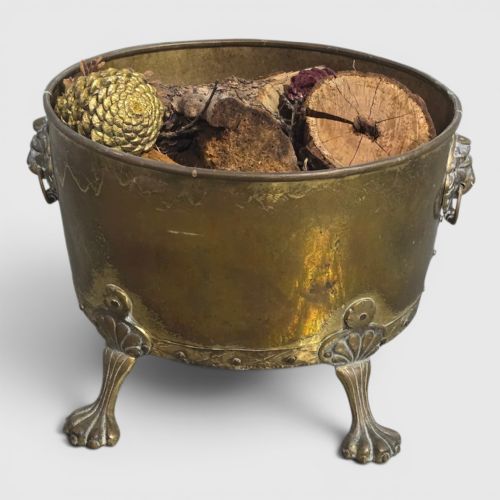
Most examples originate from the eighteenth and nineteenth centuries, taking the form of deep cauldrons, lidded preserving pots, kettles, and fireside log bins. These vessels reflect practical domestic requirements of their respective eras, transitioning from kitchen cooking to fireside display and storage.
Materials and construction methods
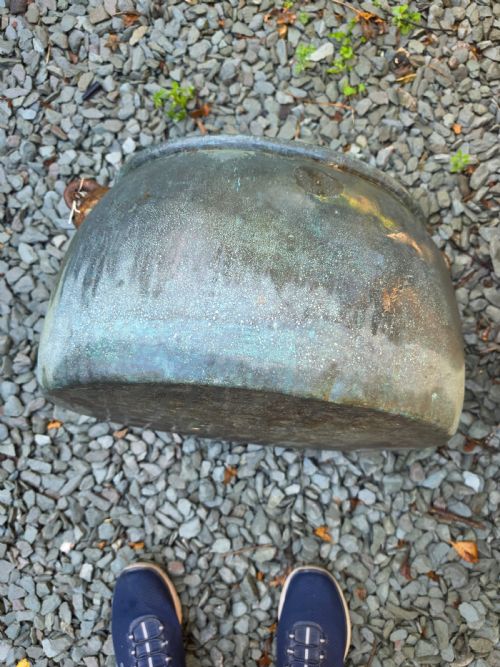
Metalworkers utilised heavy gauge copper, cast bronze, and forged iron to fabricate these vessels for intense heat and daily wear. Copper pieces frequently display hand-riveted seams and heavy forged swing handles, while earlier seventeenth-century examples employ leaded bronze cast in specialised regional foundries.
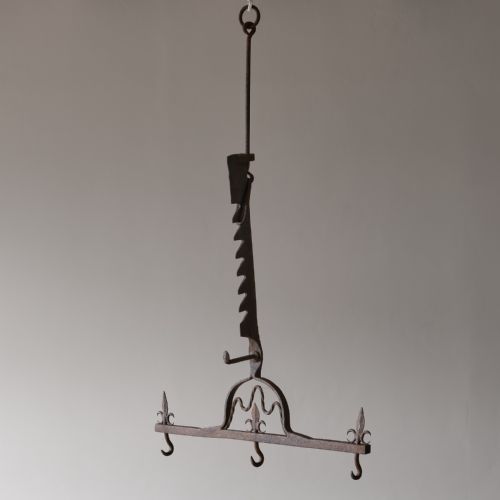
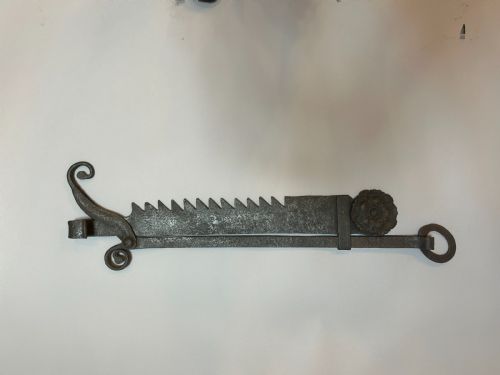
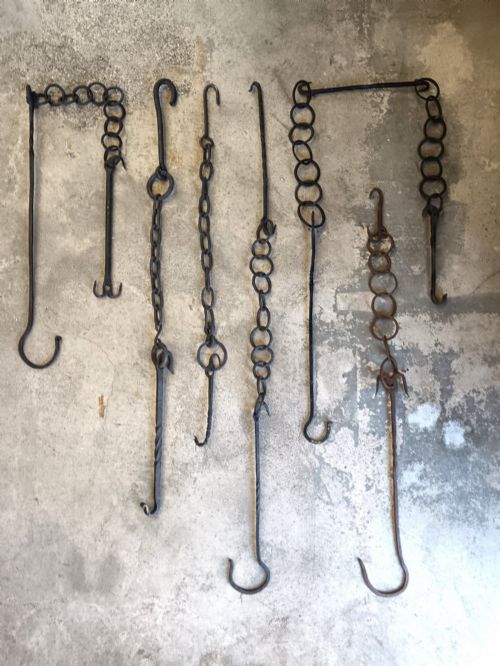
Blacksmiths forged wrought iron into robust chimney jacks, trammel hooks, and cranes to suspend heavy cookware over open flames. Surface finishes range from smooth polished brass to patinated copper and raw hand-forged iron showing distinct hammer marks.
Antique Hearth Pot Retail Price Guide 2026
Typical asking prices for hearth pot among the pieces listed under this phrase on Sellingantiques today, from the lower quarter to the upper quarter. They describe what is for sale here now, not the wider market.
Some heavy brass saucepans weigh enough to double as improvised gym equipment after a long day of hearth cleaning.
Assessing quality in hearth metalware
Superior quality rests in the thickness of the metal gauge, structural integrity of riveted joints, and the retention of original iron handles or hanging hardware. Heavy cast bronze cauldrons and thick-walled copper preserving pans demonstrate a higher standard of original manufacture than lighter, later iterations.
The degree of honest wear, intact historical patina, and the absence of heavy modern patching separate utilitarian survivors from compromised examples. Pieces retaining original forged components and unpolished surfaces hold greater integrity for collectors.
The Antique Hearth Pot Glossary
- Cauldron
- A deep, round-bottomed metal pot equipped with a swing handle, designed for boiling over an open fire. Early versions employ bronze or leaded bronze.
- Chimney Crane
- A pivoting iron arm mounted inside a hearth to swing heavy pots over the flames. These items required expert blacksmithing to bear substantial weights.
- Posnet
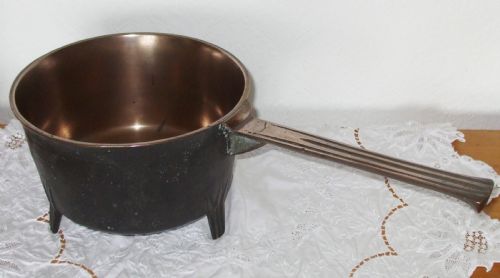
- A small metal cooking pot or skillet featuring a single long handle and three short feet. They were cast in bronze or brass for use directly in hearth embers.
- Trammel Hook
- An adjustable hanging device suspended from a chimney lug to alter the height of pots above the fire. blacksmiths forged these with interlocking notches.
- Preserving Pan
- A wide, shallow metal vessel used for boiling fruit and sugar, typically fashioned from heavy copper with fixed handles.
Antique Hearth Pot: Frequently Asked Questions
What is an antique hearth pot used for?
These vessels originally served practical functions such as boiling water, cooking meals, heating preserving syrups, or suspending cookware over open flames in domestic kitchens. Later generations repurposed many of these durable metal containers as fireside log bins or indoor plant planters.
Today, collectors primarily utilise them for interior decoration, placing them beside fireplaces to hold firewood or employing them as statement vessels in period rooms.
How do I date an antique copper pot?
Dating relies on observing construction techniques, handle attachments, and material thickness. Earlier pieces from the seventeenth and eighteenth centuries often feature heavy hand-hammered copper secured with irregular hand-forged rivets.
Nineteenth-century examples generally display more uniform machine rolling and standard rivet patterns. Maker marks, where present, alongside specific rim profiles also help narrow down the decade of production.
Are bronze cauldrons safe for open fires?
While historic bronze and leaded bronze cauldrons were cast specifically for direct flame cooking, modern use requires careful consideration. Centuries of exposure to heat can alter the metal structure, and historic alloys may contain lead or other reactive elements.
Most buyers keep these ancient vessels for display rather than active cooking. If utilised near heat, they function best as dry decorative containers rather than vessels for consumables.
How do I clean an old copper pot?
Cleaning historic copper depends on whether you prefer a bright polished shine or an aged historical patina. Gentle washing with warm soapy water removes surface dust without harming the underlying metal.
Avoid harsh abrasive scouring pads that scratch the soft copper surface. Many collectors choose to leave the natural dark oxidation untouched to preserve the antiquity and character of the piece.