



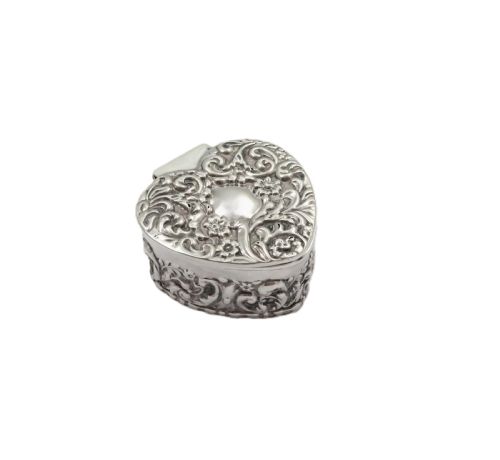


Antique Heart Ring
An antique heart ring carries a tangible romantic symbolism forged in gold and silver across past centuries.
Antique Heart Ring
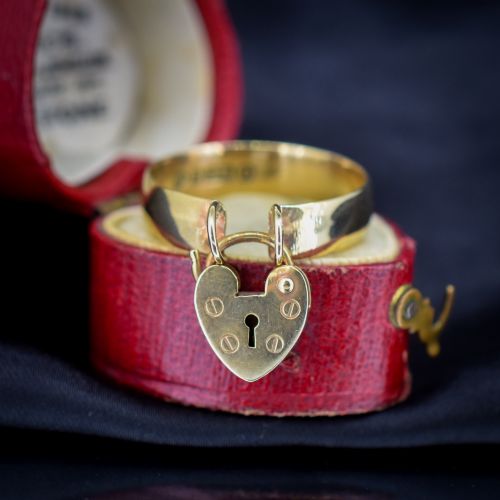
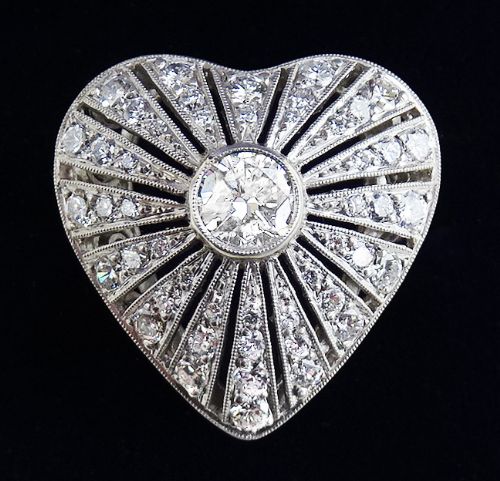
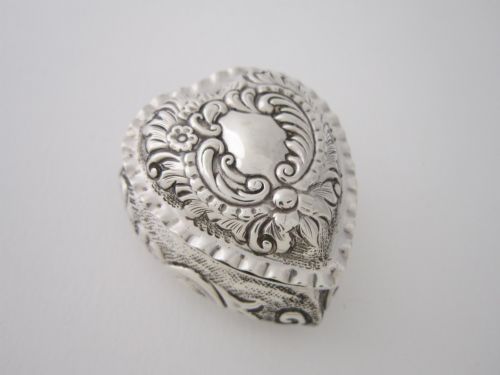
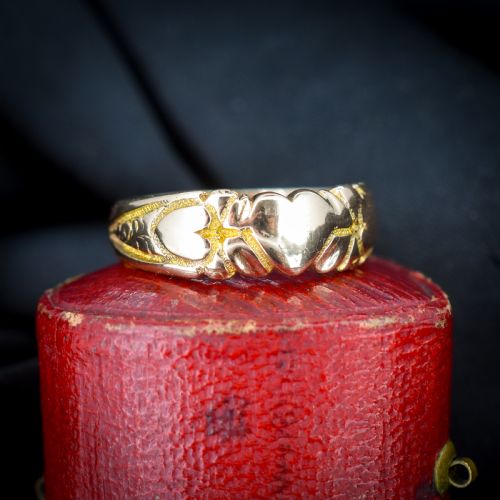
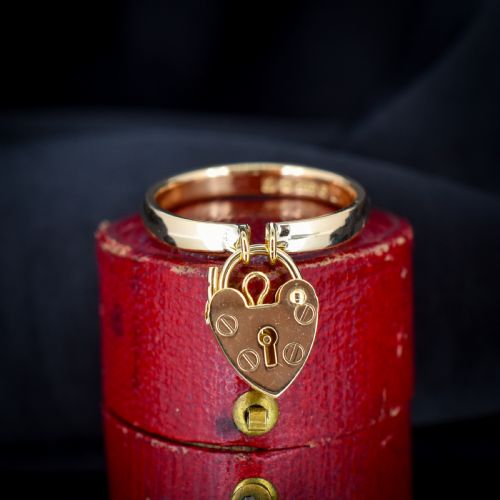
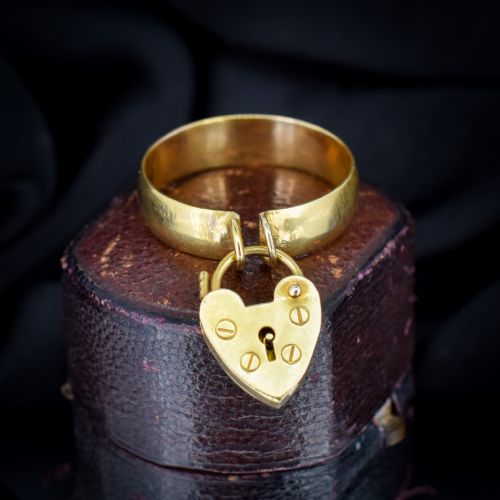
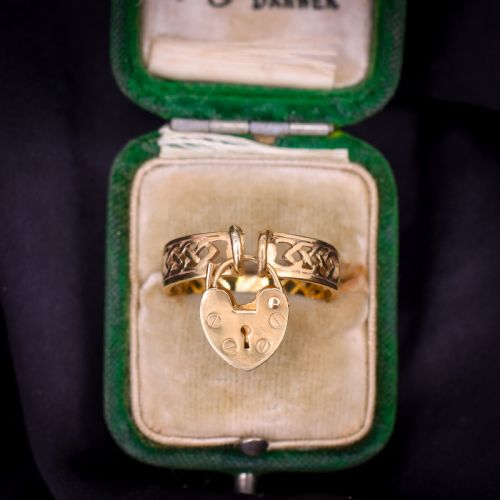
When you search for an antique heart ring, you encounter sentimental jewellery forms spanning the Victorian, Edwardian, and Georgian eras. These pieces range from delicate gold band rings featuring padlock drops to memorial rings and gemstone clusters.
Earlier iterations include multi-stone configurations incorporating diamonds and turquoise, while later pieces lean towards minimalist gold bands with hanging heart motifs. Each piece reflects the sentimental tastes of its original period of manufacture.
Materials and construction methods
Makers utilised high-purity precious metals, predominantly sterling silver alongside nine-carat, fifteen-carat, and eighteen-carat yellow gold. These metals were shaped, cast, or engraved to form the distinct romantic motifs.
Gemstones such as rose-cut diamonds and turquoise were frequently set into gold mountings, while other variants relied purely on polished metalwork or intricate surface engraving for visual depth.
Antique Heart Ring Retail Price Guide 2026
Typical asking prices for heart ring among the pieces listed under this phrase on Sellingantiques today, from the lower quarter to the upper quarter. They describe what is for sale here now, not the wider market.
Listings span multiple historical periods from the Georgian era through to the 1930s, utilising sterling silver, yellow gold, and lead glass.
Assessing craftsmanship and condition
Quality in an antique heart ring depends upon the crispness of the metal engraving and the structural integrity of the delicate settings. Pieces with clear, legible hallmarks demonstrate well-preserved provenance.
The weight of the gold or silver and the secure mounting of any set stones separate standard production items from finer workshop examples. Wear to surface details indicates the extent of previous use over the decades.
The Antique Heart Ring Glossary
- Assay mark
- A stamp indicating the purity of the precious metal and the office where it was tested. These marks help verify the geographic origin and year of manufacture.
- Padlock drop
- A small hanging charm shaped like a padlock, frequently suspended from a gold band ring. This motif was particularly popular during the late Victorian and Edwardian periods.
- Memorial ring
- A piece of jewellery created to commemorate a deceased person, often incorporating hair or specific inscriptions. These items hold deep historical and emotional significance.
- Rose-cut diamond
- An antique gemstone cut featuring a flat base and a faceted dome that tapers to a point. This early cutting style produces a softer, candlelit sparkle.
- Signet ring
- A solid metal ring featuring an engraved monogram or crest originally used for sealing documents. Some examples combine this utilitarian form with sentimental heart motifs.
Antique Heart Ring: Frequently Asked Questions
How do I date an antique heart ring?
Dating relies heavily on official assay office hallmarks stamped into the metal interior, which denote specific decades of production. Stylistic elements such as engraving depth and stone-cutting techniques provide further chronological context.
Comparing the construction against documented Victorian, Edwardian, or Georgian design patterns helps narrow the timeframe of manufacture.
What metals were used in these rings?
Most pieces are constructed from sterling silver, nine-carat gold, or fifteen-carat gold. Yellow gold is the predominant metal colour seen across the surviving historical inventory.
Assay marks stamped onto the shank confirm the exact metallic composition and legal standard of the period.
Are these rings suitable for daily wear?
While these pieces were built to last, their age requires mindful care during everyday activities. Delicate components like padlock drops or prong-set gemstones benefit from occasional inspection by a jeweller.
Removing the ring during manual tasks preserves the structural integrity of the antique metalwork.
What do double heart rings signify?
Double heart designs typically symbolise a union or deep bond between two individuals in romantic historical contexts. They frequently appear in Georgian and early Victorian fine jewellery.
Interlocking or side-by-side heart motifs visually represent shared affection from past eras.