

Antique Heals Table
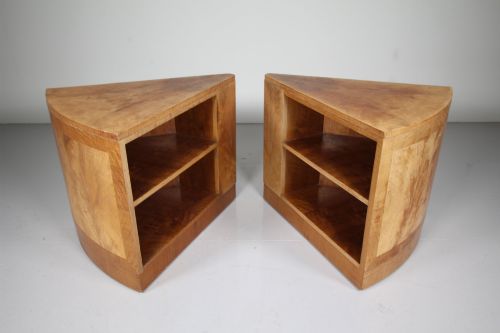
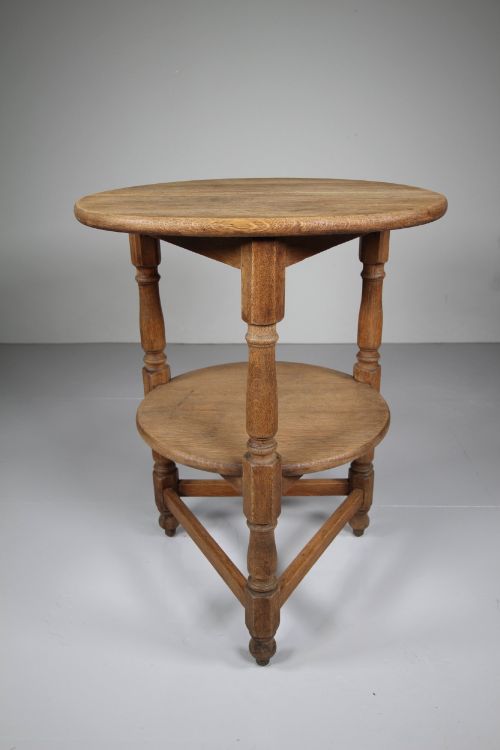
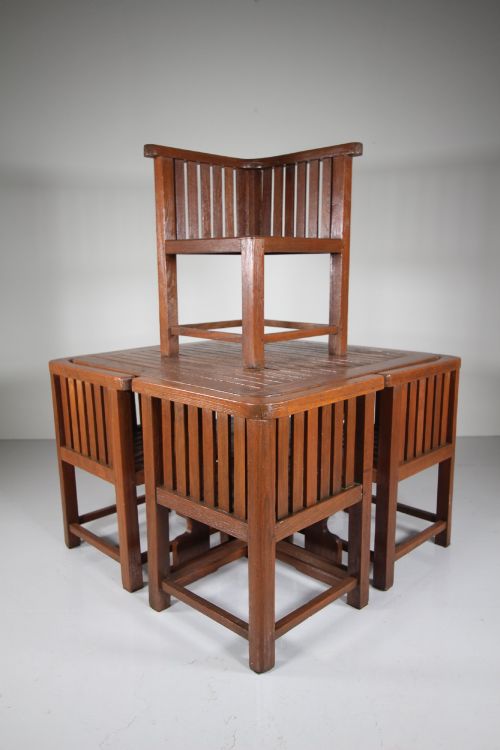
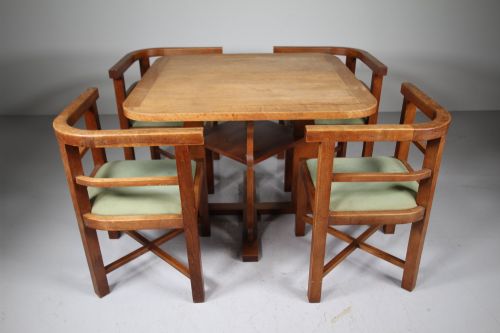
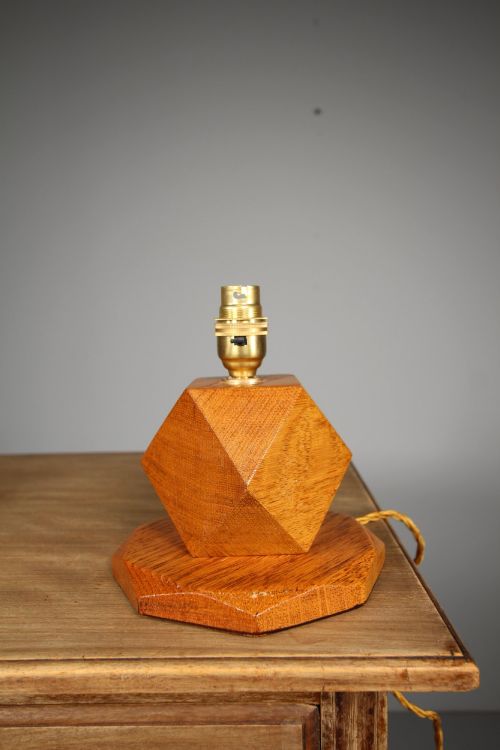
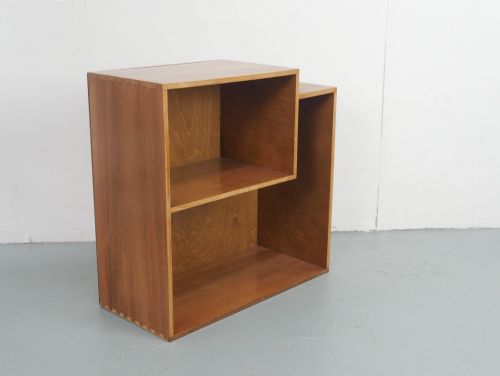
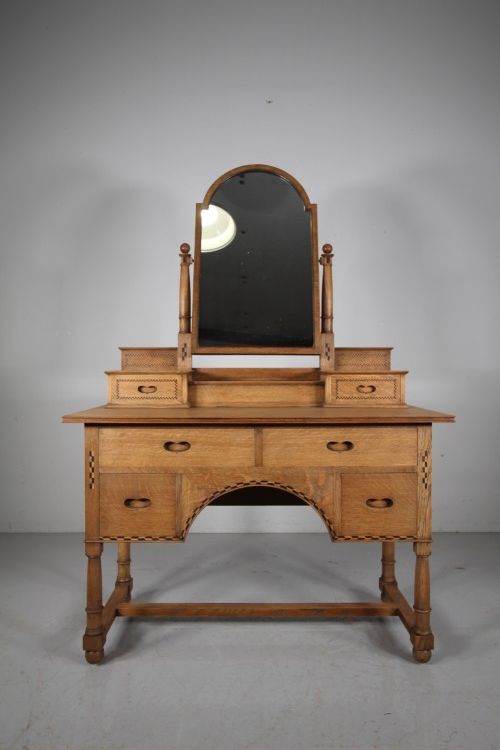
These pieces for an antique heals table bring robust Arts and Crafts character and clean modernist lines directly into the modern interior.
Antique Heals Table
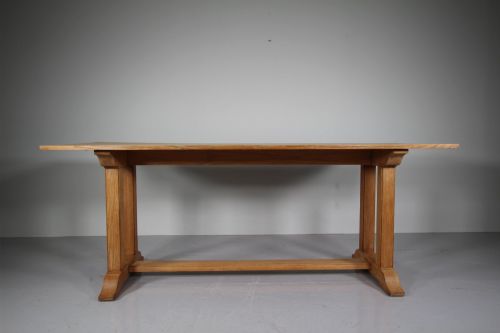
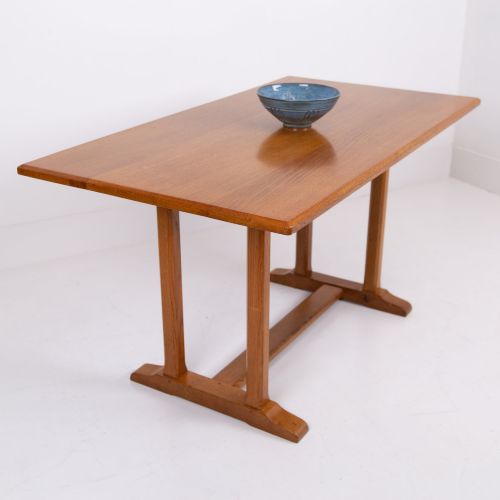
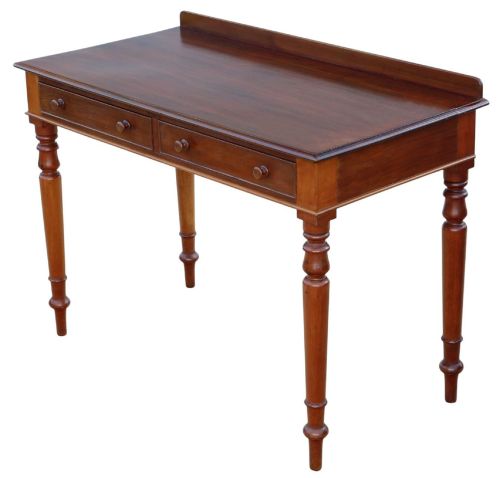
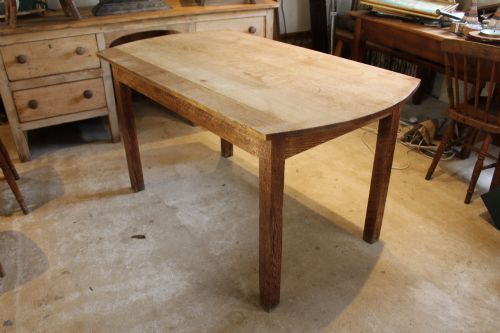
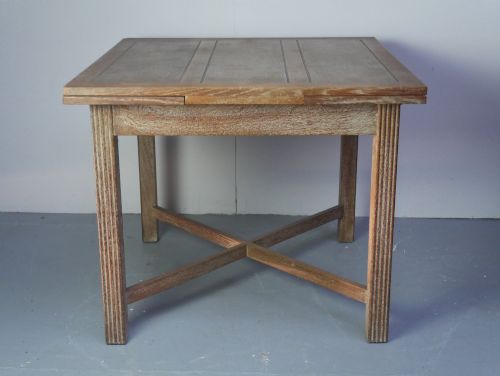
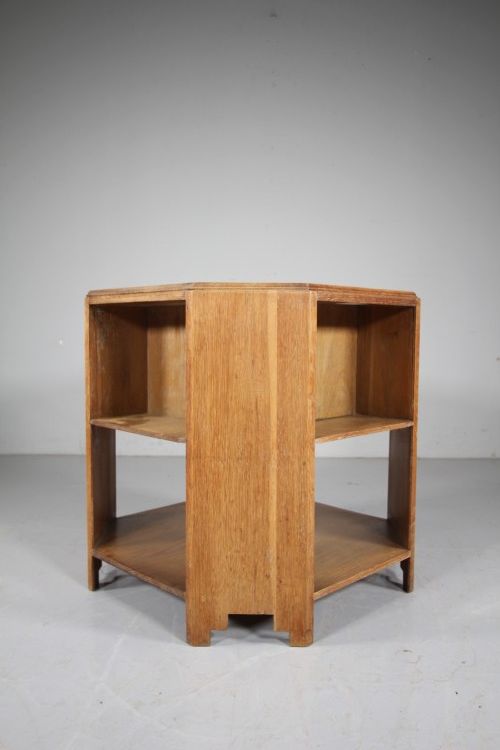
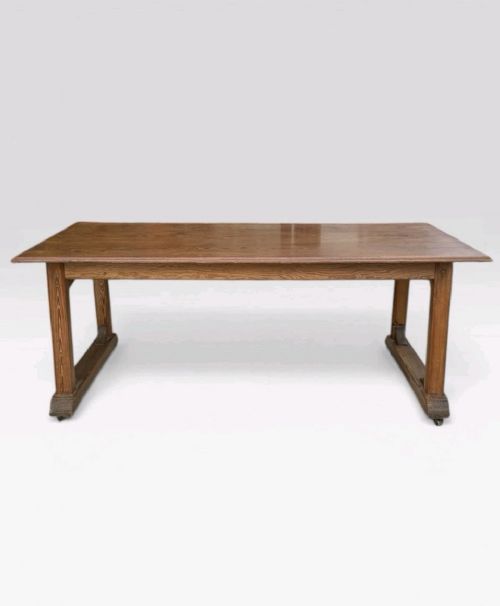
When you search for an antique heals table, you encounter practical furniture produced by the influential London firm across several decades. The selection spans sturdy refectory dining tables, compact side tables, and functional writing desks.
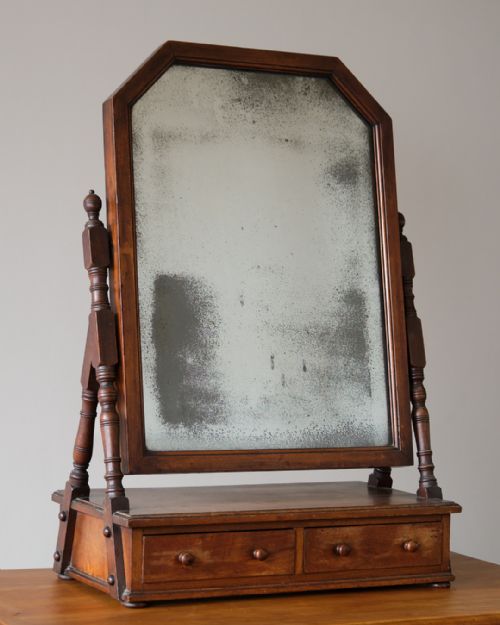
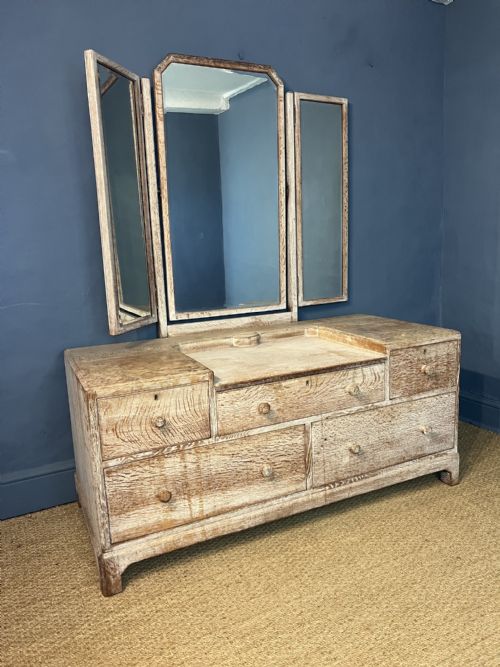
The pieces on this page originate from the Victorian and Edwardian periods through to the interwar decades of the 1920s and 1930s. Oak forms the backbone of these offerings, appearing alongside mahogany, walnut, and satin birch in various domestic formats.
How they were made
Makers utilised solid oak, mahogany, and walnut, often selecting quartered timber to showcase natural grain patterns. Limed oak finishes emerged during the later decades, offering a paler surface texture.
Construction methods prioritised utility and structural honesty, seen in trestle bases, refectory framing, and functional desk layouts. Brass hardware and occasional glass elements completed the assemblies.
Antique Heals Table Retail Price Guide 2026
Typical asking prices for heals table among the pieces listed under this phrase on Sellingantiques today, from the lower quarter to the upper quarter. They describe what is for sale here now, not the wider market.
Listings span from the 19th Century through Edwardian and Art Deco periods, utilising oak, mahogany, walnut, and limed oak.
What varies in quality
The standard of timber selection sets individual examples apart, particularly the choice of quartered oak or figured mahogany. Finer pieces display deliberate grain matching and careful proportioning.
Attribution and documentation influence desirability, ranging from fully labelled or stamped pieces to items attributed or made in the style of the workshop.
Heal and Son·Heals of London
The Antique Heals Table Glossary
- Limed oak
- A wood finishing technique that leaves a pale, chalky pigment in the open pores of the timber. This treatment gained popularity during the early twentieth century for modern furniture.
- Refectory table
- A long, narrow dining table traditionally supported by substantial legs connected by a central stretcher. Workshops adapted this medieval form for domestic dining rooms.
- Quartered oak
- Timber sawn at right angles to the growth rings to produce a decorative ray fleck pattern. Makers valued this cut for stability and visual appeal.
- Satin birch
- A light-coloured hardwood with a lustrous, shimmering surface grain used in cabinetmaking. It provides a pale alternative to traditional mahogany.
- Trestle table
- A table design where the top rests on two or more vertical supports rather than four corner legs. This construction offers robust support for heavy dining surfaces.
Antique Heals Table: Frequently Asked Questions
What periods do these tables cover?
The pieces span from the Victorian and Edwardian eras into the 1920s and 1930s. This temporal spread captures both traditional nineteenth-century craftsmanship and early modernist design.
Earlier items often feature mahogany and satin birch, while later decades introduce limed oak and Art Deco forms.
How do I identify a genuine piece?
Look for maker labels, stamps, or specific construction traits associated with the London firm. Documentation varies across the selection.
Some examples carry explicit stamps or paper labels, whereas others match documented workshop styles and timber treatments.
What materials are most common?
Oak is the predominant material across the selection, appearing in solid, limed, and quartered variations. Mahogany and walnut also feature prominently.
Secondary materials include brass handles, glass inserts, and leather writing surfaces on desks.
Where do these tables fit at home?
Dining tables suit everyday meals or kitchen spaces, while smaller side tables and desks fit living rooms and studies. Their honest construction complements diverse interiors.
Limed oak and Art Deco variants offer lighter tones that integrate easily into contemporary rooms.