





Antique Headwear
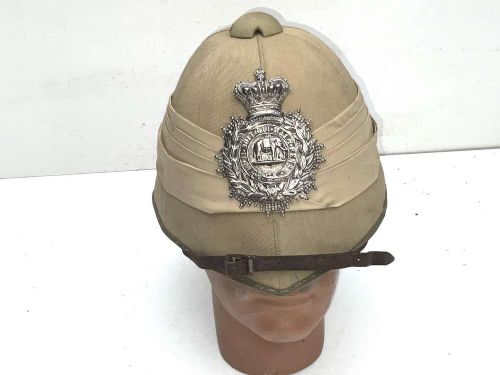
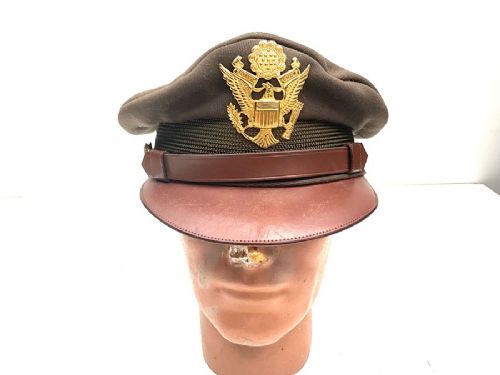
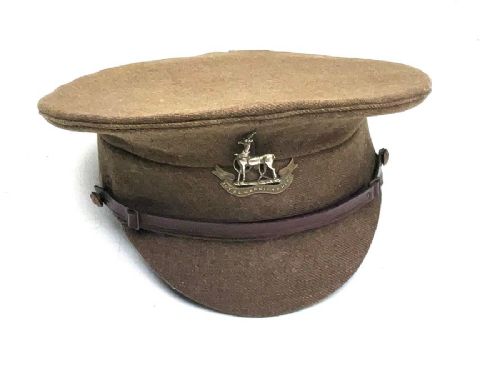
These antique headwear pieces span military caps and top hats from the nineteenth and early twentieth centuries.
Antique Headwear
When you search for antique headwear, you encounter a selection spanning military caps, pickelhaubes, and silk top hats from the Victorian and early twentieth-century periods. These items record the uniforms, civilian attire, and motoring gear of past generations.
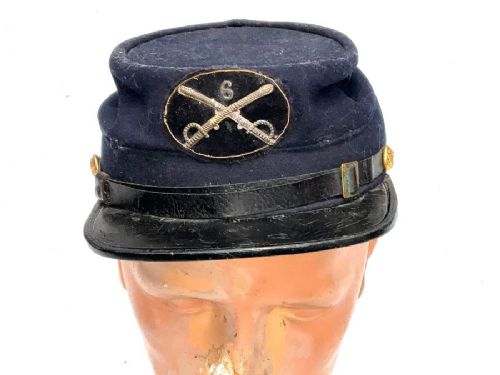
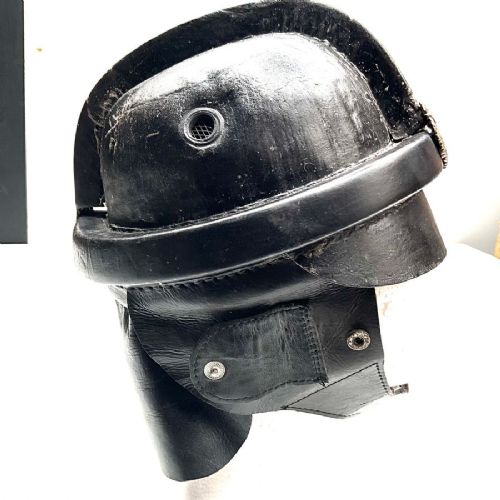
The pieces on this page lean heavily towards military headdress, including Imperial German helmets, British soldiers' hats, and American Civil War kepis. Alongside these martial forms, you find civilian silk top hats housed in leather boxes and motoring helmets from the nineteen-thirties.
Origins stretch across Britain, Germany, France, and America, reflecting the official suppliers and civilian makers of those regions. You also find sculptural busts depicting figures in historic dress from the turn of the twentieth century.
How they were made
Maker construction relies on traditional materials such as leather, boiled leather, wool, felt, and lacquered leather shaped over stiffened frames. Metal components incorporate brass, white metal, and standard metal fittings to form spikes, chin scales, and badges.
Textile hats utilise woven wool and felt, whilst formal civilian pieces pair silk plush with rigid leather carrying cases. Sculptural works from the period employ terracotta shaped and fired by studio artists.
Antique Headwear Retail Price Guide 2026
Typical asking prices for headwear among the pieces listed under this phrase on Sellingantiques today, from the lower quarter to the upper quarter. They describe what is for sale here now, not the wider market.
Listings feature helmets from Imperial Germany alongside British military headwear and American Civil War kepis.
What varies in quality
Quality rests upon the original grade of materials utilised, such as the suppleness of boiled leather and the grade of lacquering on military helmets. Uniform pieces bearing named officer provenance or specific regimental markers stand apart from standard issue equipment.
The survival of original silk plush on top hats and the intact nature of internal leather sweatbands and silk linings dictate the standing of a piece. Maker marks stamped into leather sweatbands or silk linings provide clear evidence of original workshop standards.
Hawkes & Co·A. Gory
The Antique Headwear Glossary
- Bicorn
- A historical cocked hat with a folded brim, worn by naval and military officers during the Victorian era. It is often trimmed with lace and cockades.
- Kepi
- A cap with a flat circular top and a visor, widely used by military forces during the American Civil War era. It sits low on the head.
- Lance cap
- A distinct military headdress with a stiff square top, worn by cavalry regiments such as the Lancers during the nineteenth century. It combines wool, leather, and metal elements.
- Silk plush
- A specialised woven silk fabric with a dense, directional pile used to cover nineteenth and early twentieth-century top hats. It requires careful brushing to maintain its sheen.
Antique Headwear: Frequently Asked Questions
What periods do these hats cover?
The listings span the nineteenth century through to the nineteen-thirties, covering the Victorian era, the American Civil War, and the First World War.
You will find examples representing military campaigns and civilian life across these decades.
How should I store leather helmets?
Leather and boiled leather components need stable ambient humidity and temperature to prevent cracking or warping over time.
Keep them away from direct sunlight and support the interior crown properly if the structure is soft.
Are silk top hats wearable today?
Antique silk top hats are delicate collector items rather than robust daily wear accessories.
The vintage silk plush and internal structural stiffeners degrade with frequent handling and exposure to weather.
How do I identify military regiments?
Regimental details appear on brass plates, cockades, chin scales, and interior stampings.
Matching these insignia against period uniform records reveals the specific branch and unit.