






Antique Hat Tool
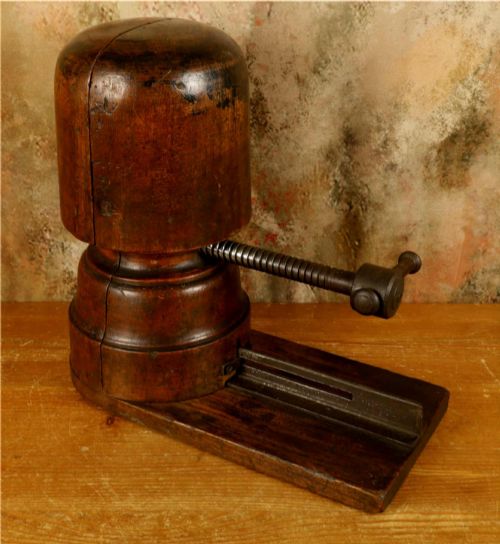
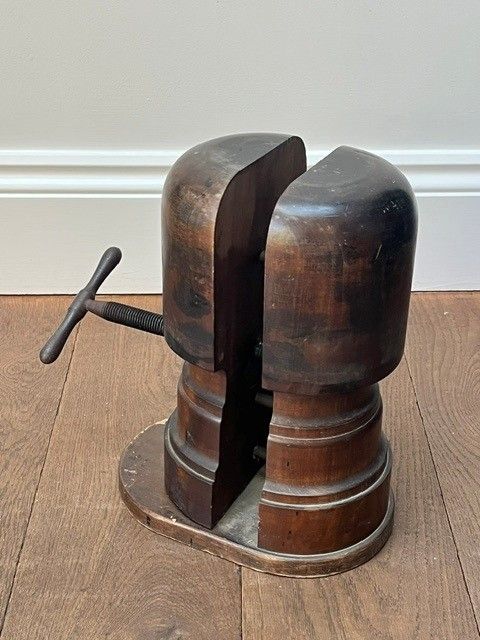
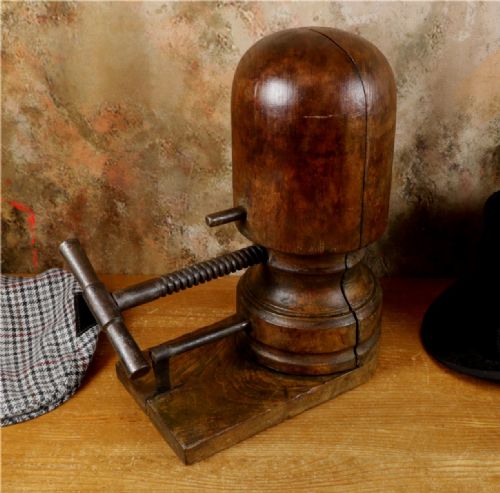
These antique hat tool examples are solid wooden and metal millinery pieces shaped to stretch, form, and size hats.
Antique Hat Tool
When you search for an antique hat tool, you are looking at utilitarian workshop equipment created for historical hat production and maintenance. The pieces listed here span the nineteenth century, the Edwardian era, and into the nineteen-thirties, covering forms from simple hat stretchers to heavy aluminium moulds.
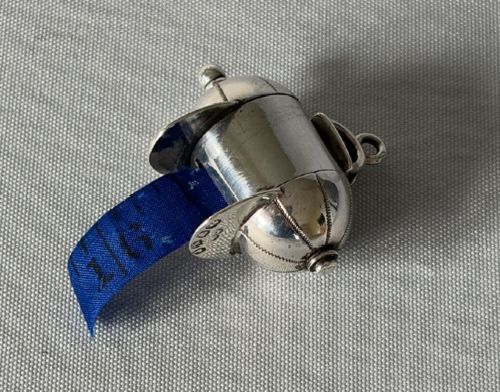
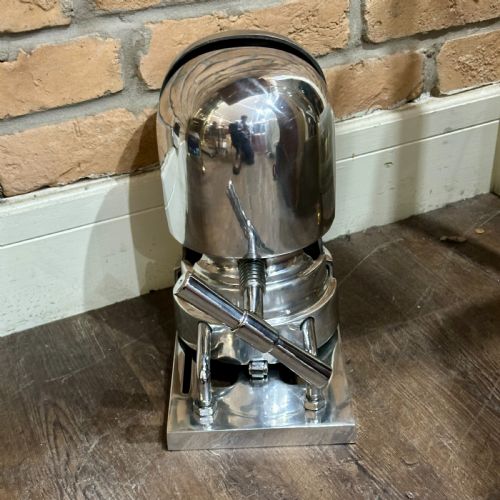
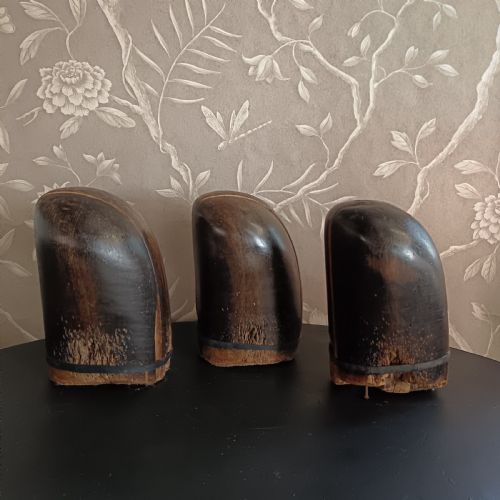
The most common finds on this page are wooden hat stretchers, fruit wood milliner forms, and cast aluminium block moulds used in traditional haberdashery. You will also encounter specialised items like military bearskin cap blocks and silver novelty pins associated with period dress.
Industrial haberdashery and Victorian styles dominate the selection, reflecting the practical origins of these workshop implements. Whether French provincial or British in origin, each object retains the honest wear of active millinery production.
How they were made
Makers constructed these workshop pieces primarily from timber and metal, selecting dense materials capable of withstanding constant pressure and repeated use. Hardwoods like oak, walnut, and fruit wood appear frequently alongside cast iron and aluminium.
Woodworkers turned and carved timber by hand or on early lathes to create precise organic shapes for hat forms and stretchers. Metal components involved casting and machining, particularly in the later aluminium moulds seen from the nineteen-twenties and thirties.
Antique Hat Tool Retail Price Guide 2026
Typical asking prices for hat tool among the pieces listed under this phrase on Sellingantiques today, from the lower quarter to the upper quarter. They describe what is for sale here now, not the wider market.
Some wooden stretchers still retain traces of nineteenth-century chalk sizing marks left behind by busy milliners.
What varies in quality
Quality in these workshop implements lies in the integrity of the material and the precision of the turning or casting. Fine examples exhibit tight wood grain, smooth mechanical action in stretchers, and clean, sharp casting in metal moulds.
The degree of honest wear relative to structural soundness defines the better pieces. Items retaining their original working mechanisms and unblemished contours stand apart from those with heavy losses or compromised joints.
The Antique Hat Tool Glossary
- Millinery mould
- A solid form, often made of aluminium or wood, used to shape and press felt or straw hat bodies during manufacture. These blocks determine the final silhouette of the headwear.
- Haberdashery
- The trade and goods associated with small wares used in sewing, tailoring, and millinery. Tools from this category served professionals in daily hat production.
- Fruit wood
- Dense timber sourced from fruit-bearing trees, prized by makers for its fine grain and resistance to splitting. It was a preferred material for traditional turned hat blocks.
Antique Hat Tool: Frequently Asked Questions
What is an antique hat tool used for?
These items served a strictly functional purpose in historical hat making, shaping, and maintenance. Milliners utilised wooden blocks and metal moulds to form wet felt or straw into specific headwear styles.
Stretchers were kept in workshops or gentlemen's dressing rooms to adjust hat sizes and prevent shrinkage. Today, collectors frequently repurpose them for display or interior decoration.
How do I date a wooden hat block?
Dating relies heavily on the timber species, manufacturing marks, and the overall style of the turning. Nineteenth-century pieces often display hand-turned fruit wood or oak construction with simple utilitarian mounts.
Later examples from the nineteen-twenties and thirties frequently incorporate aluminium or cast iron. Examining the tool marks and surface patina helps place the object within the Victorian, Edwardian, or later industrial periods.
Are aluminium hat blocks authentic?
Aluminium block moulds are genuine industrial pieces dating from the early twentieth century onwards. As manufacturing methods evolved, workshops adopted metal for its durability and resistance to moisture during blocking.
These metal forms are entirely period-correct alongside traditional wooden stretchers. Their weight and machining methods reflect the industrial haberdashery practices of the nineteen-twenties and thirties.
How should I display hat tools at home?
Displaying these objects requires minimal intervention to preserve their historic workshop character. Wooden stretchers and fruit wood forms look striking mounted on stands or placed singly on shelves.
Their sculptural qualities suit industrial and traditional interiors alike. Keep them away from direct heat sources to prevent the timber from drying out or cracking.