


Antique Hat Mould
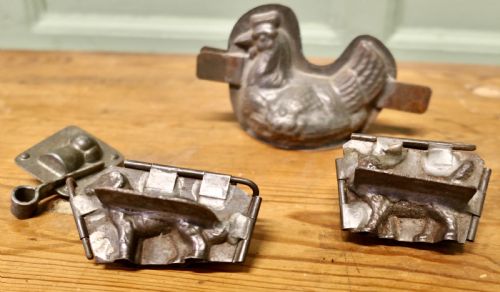
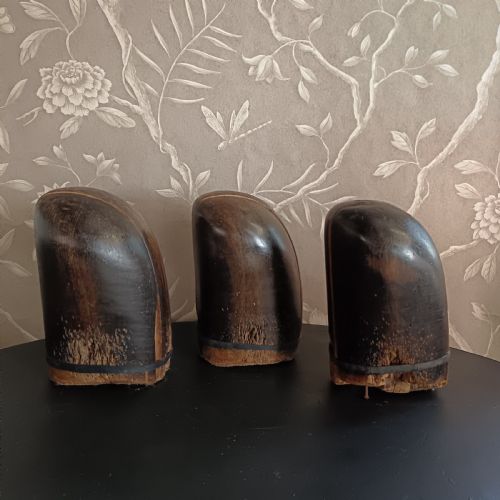
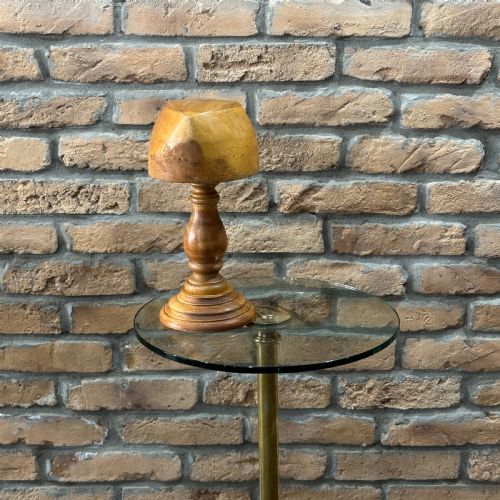
These antique hat mould items are robust wooden and metal forms used to shape millinery, and buyers seek them for their stark industrial presence.
Antique Hat Mould
When you search for an antique hat mould, you encounter solid wooden blocks and metal forms that once shaped millinery and caps in workshops. The examples found here range from nineteenth century carved heads to twentieth century aluminium blocks.
You are most likely to meet wooden millinery blocks and aluminium moulds from the early twentieth century on this page. These pieces carry the marks of regular use in hat making and traditional haberdashery.
How they were made
Makers shaped these forms from timber such as beech, oak, walnut, and fruit wood, often carving them by hand to create precise head shapes and hat crowns. Metal versions utilise cast iron, tinned steel, and aluminium formed into modular blocks for repeating millinery tasks.
The construction reflects utilitarian workshop production, where turned wood sections and fitted metal parts were joined to withstand the pressure of stretching and steaming hats.
Military bearskin caps required specialised giant blocks, proving that historical headwear demanded serious architectural engineering.
What varies in quality
Metal items show variation in the precision of their casting and the preservation of their surface finish, with industrial aluminium and cast iron forms maintaining distinct patinas from their working lives.
The Antique Hat Mould Glossary
- Millinery
- The design and manufacture of hats. This trade relied on specialised wooden and metal forms to achieve correct sizing.
- Hat stretcher
- A mechanical tool used by hatters to expand and adjust the size of hats. These devices feature expanding wooden or metal segments.
- Folk art
- Utilitarian objects made by self-taught or traditional makers. Carved wooden heads often display this handcrafted character.
- Haberdashery
- Small items connected to clothing and hat making. These moulds served as equipment within that trade.
Antique Hat Mould: Frequently Asked Questions
What is an antique hat mould used for?
These blocks and forms were utilised in workshops to shape, stretch, and dry hats during manufacture. Milliners pressed wet felt or straw over the forms to set the crown and brim.
Today, collectors display them as sculptural objects or use them as stands for hats and wigs in domestic interiors.
How do you date wooden hat blocks?
Dating relies on observing the timber types, tool marks left by the maker, and the overall style of the carved form. Nineteenth century pieces often show hand-carved details in dense woods like fruit wood or oak.
Later twentieth century examples tend to use machined solid beech or industrial aluminium sections, reflecting changing manufacturing methods in hat factories.
Are aluminium hat moulds genuine antiques?
Aluminium moulds appearing here date from the early decades of the twentieth century, particularly the nineteen-twenties. Metal production in millinery workshops expanded during this period to replace or supplement wooden blocks.
These metal forms are collected for their industrial aesthetic and robust construction.
How should I clean a wooden hat block?
Maintenance involves gentle dusting with a dry cloth to preserve the aged surface and original workshop patina. Avoid harsh chemical cleaners or excess moisture that could damage exposed grain or old timber.
Keeping the wood in a stable environment prevents splitting and maintains the character accumulated from active service.