


Antique Hardwood Drawers
Antique hardwood drawers bring dense timber, regional joinery and enduring utility into a room.
Antique Hardwood Drawers
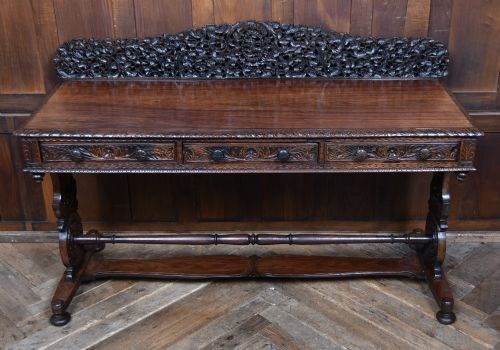
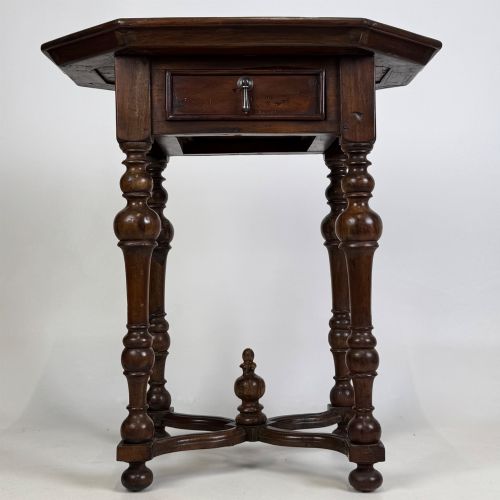
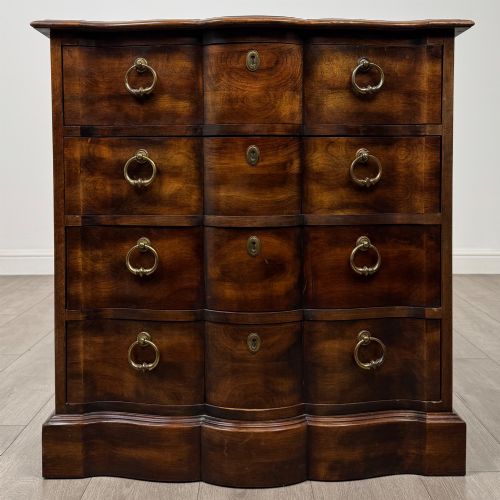
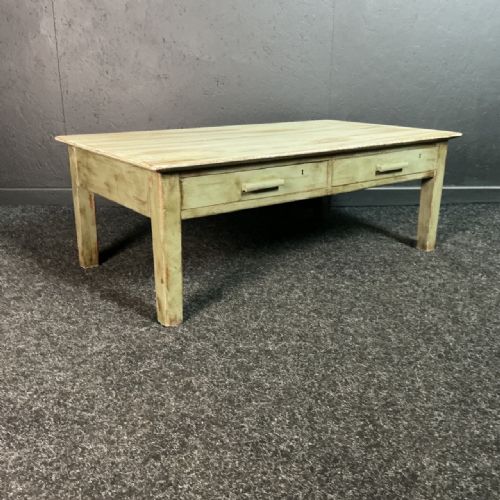
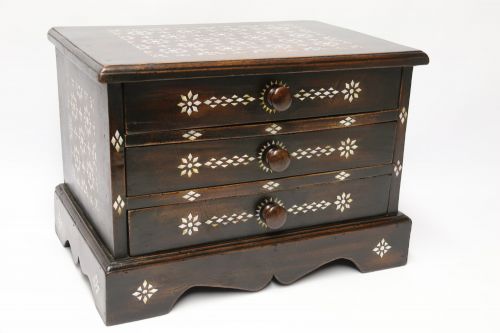
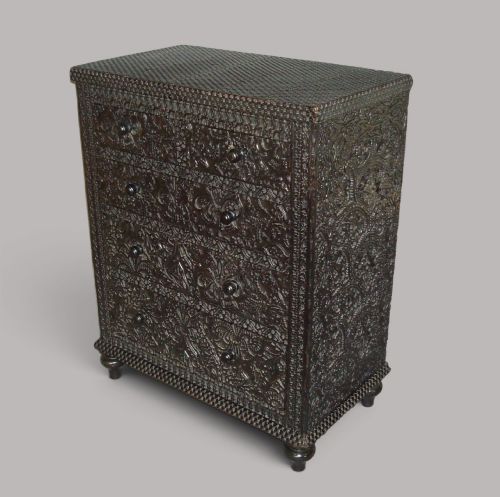
When you search for antique hardwood drawers, you encounter a varied selection of functional storage pieces built from dense tropical timbers. These items span domestic chests of drawers, collector chests, and tabletop cabinets originating from diverse global regions.
The versions most frequently met on this page include 19th-century examples alongside Edwardian interpretations of earlier styles. Their forms range from side tables and cupboards with multiple drawers to specialised caskets and larger storage chests.
The geographical origins represented in the selection stretch across Asian colonial, Anglo-Indian, and Dutch colonial traditions. Such pieces reflect the movement of cabinet-making techniques and trade influences across the centuries.
How they were made
Makers utilised dense timbers such as padouk wood, teak, and elm to construct these storage items, ensuring robust structural integrity. These woods often feature natural grain patterns that define the exterior surfaces.
Metal fittings in brass, bronze, and iron provide functional reinforcement and decorative contrast against the dark timber. Bone elements occasionally appear for intricate inlay work and small detail highlights.
The listings show periods ranging from the 18th century through to 1920, utilising padouk wood, teak, elm, brass, and bone.
What varies in quality
The standard of execution in carving and inlay work distinguishes finer examples from simpler production. Subtle details in the handling of brass handles and animal decorations reveal the diligence of the original maker.
The preservation of original surface treatments and timber patination plays a central role in character assessment. Pieces retaining untouched hardware and stable timber joints hold greater integrity than altered examples.
The Antique Hardwood Drawers Glossary
- Padouk wood
- A heavy, durable reddish-brown timber utilised in colonial cabinet-making. It resists warping and takes a fine polish.
- Collector chest
- A specialised small-scale cabinet fitted with numerous shallow drawers. These were designed for storing natural specimens or coins.
- Ebonised
- Wood treated with a chemical stain or finish to imitate ebony. This dark surface creates a formal, uniform appearance.
- Anglo-Indian
- A descriptive term for items produced in India under British rule. They combine European furniture forms with local carving traditions.
Antique Hardwood Drawers: Frequently Asked Questions
What defines antique hardwood drawers?
These pieces comprise storage furniture constructed from dense timbers such as teak and padouk wood. They include chests, cabinets, and tables featuring multiple functional compartments.
Origins span various global regions and periods, particularly the 19th century and Edwardian eras. Their construction reflects traditional joinery methods suited to tropical and imported woods.
How were these drawers used originally?
Owners utilised them for storing personal valuables, documents, collections, or textiles. Compact tabletop cabinets and jewellery caskets served intimate domestic storage needs.
Larger chests and cupboards provided general household storage in colonial and domestic settings. Their sturdy construction protected contents from humidity and handling.
How do I live with hardwood furniture?
Place these pieces away from direct heat sources and sudden temperature fluctuations to protect the dense timber. Maintaining stable room conditions prevents the wood and joinery from splitting.
Regular dusting with a dry cloth preserves the polished surface and natural patination. Avoid harsh chemical polishes that can degrade historical finishes.
How do I distinguish regional styles?
Examine the specific carving motifs, timber choices, and construction details evident in the piece. Anglo-Indian items often display dense floral relief carving, while Dutch colonial examples show heavier architectural proportions.
Consulting the specific period and stylistic indicators helps separate European revival designs from authentic colonial pieces. Regional hardware choices also offer clues to geographic origin.