
Antique Hardwood Carving
These pieces of antique hardwood carving span centuries of global workshop traditions, offering dense tropical timbers shaped into furniture and decorative objects that anchor a room.
Antique Hardwood Carving
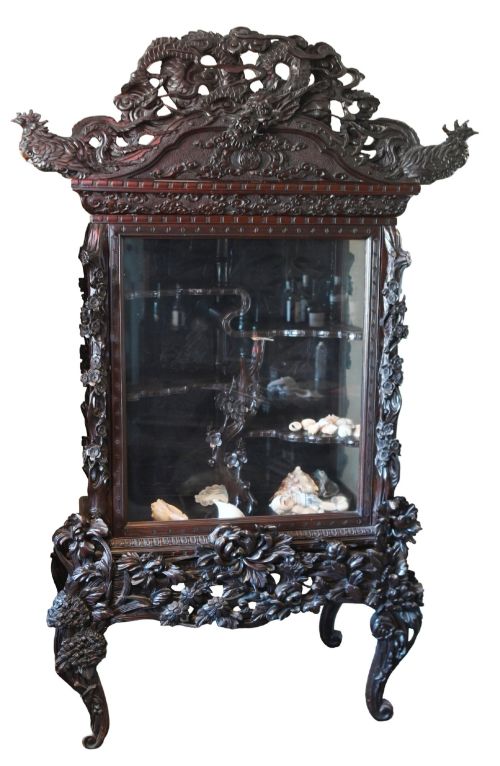
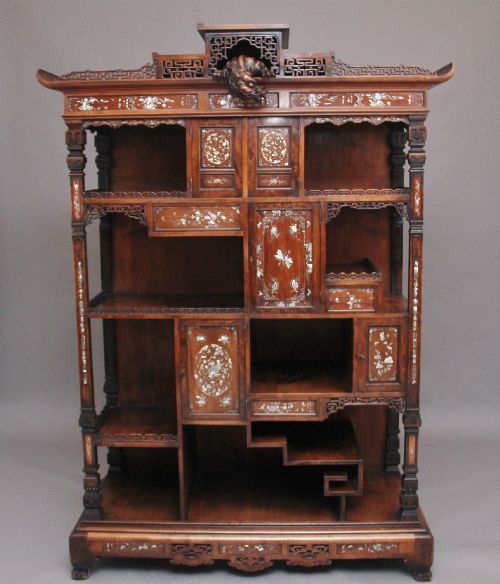
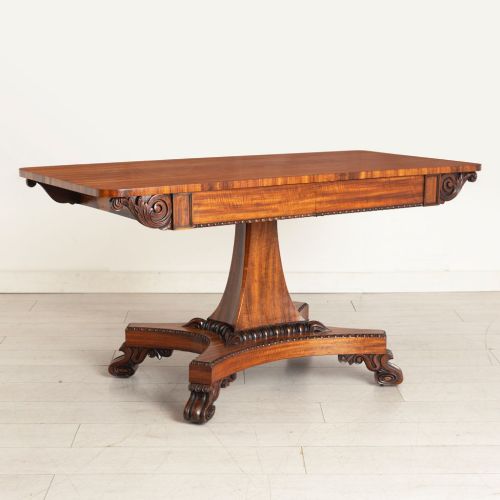
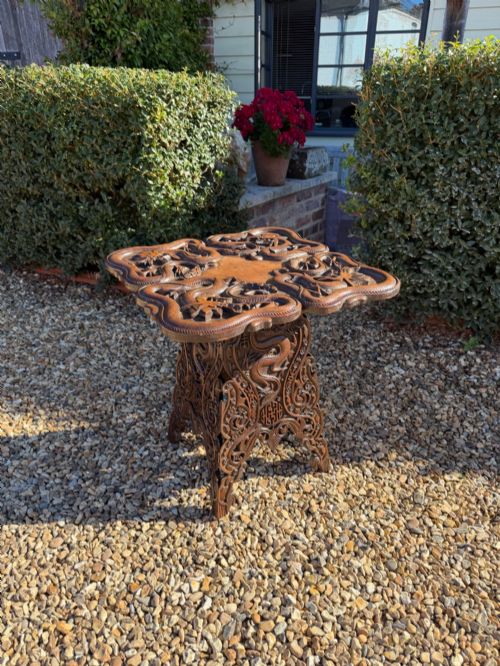
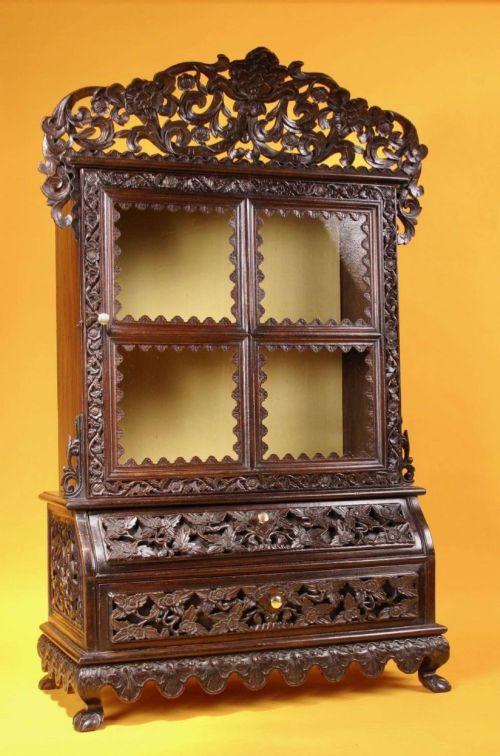
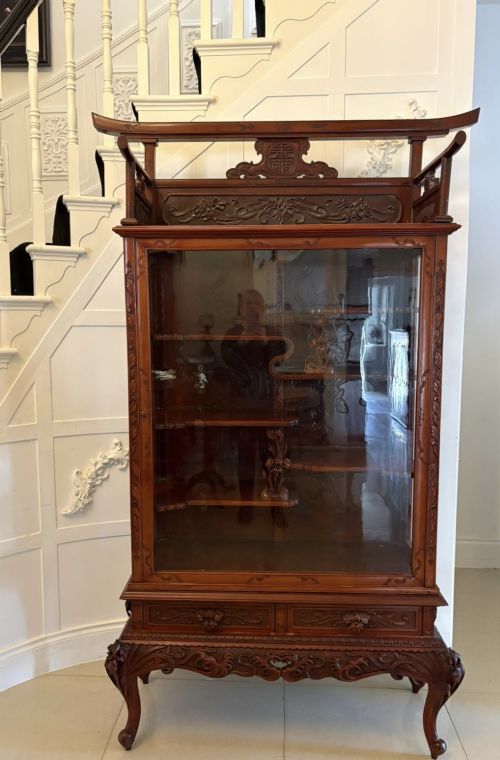
When searching for antique hardwood carving, buyers encounter a diverse array of items ranging from substantial furniture forms to intricate sculptural objects. The listings on this page reflect global production traditions, dominated by Chinese export pieces, Anglo-Indian colonial furniture, and Japanese Meiji period works.
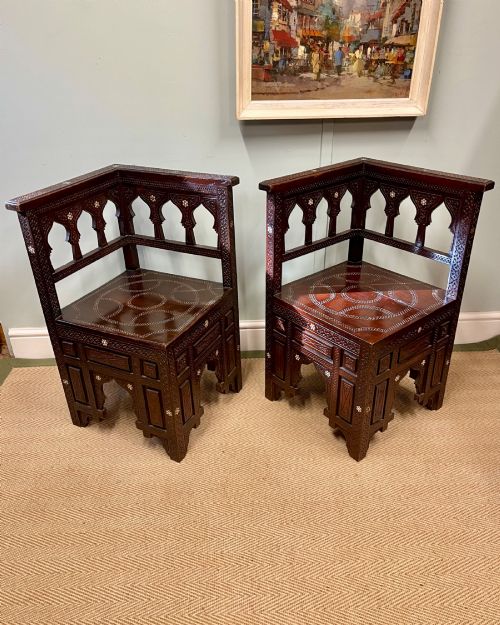
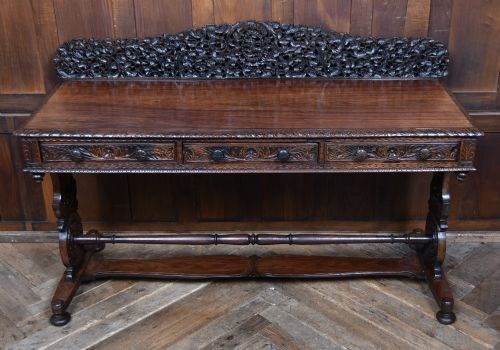
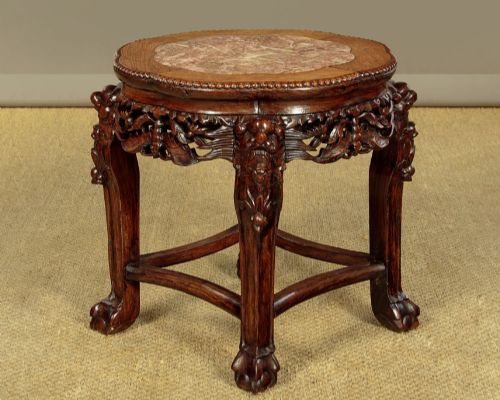
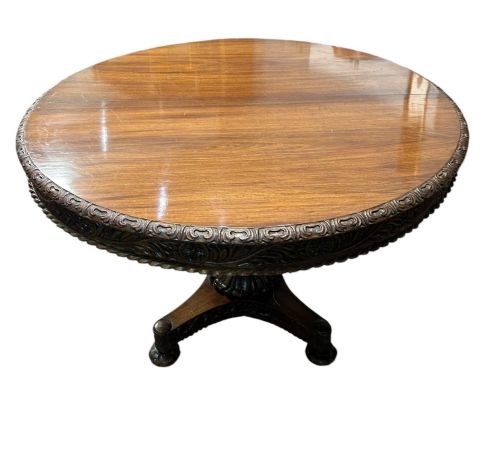
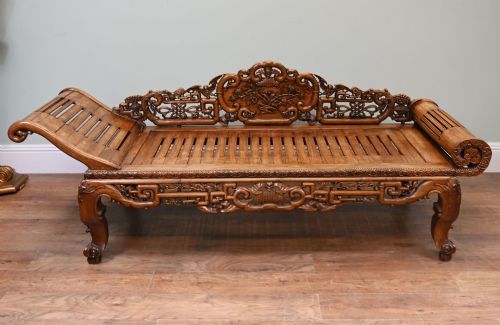
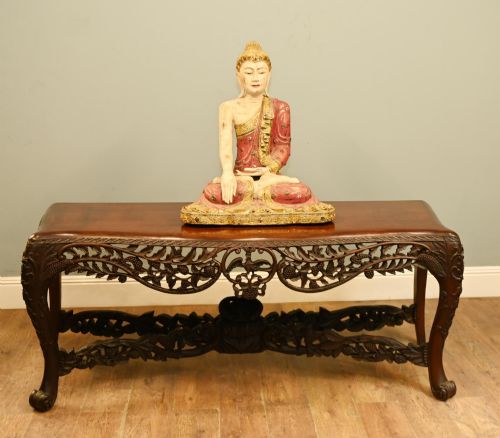
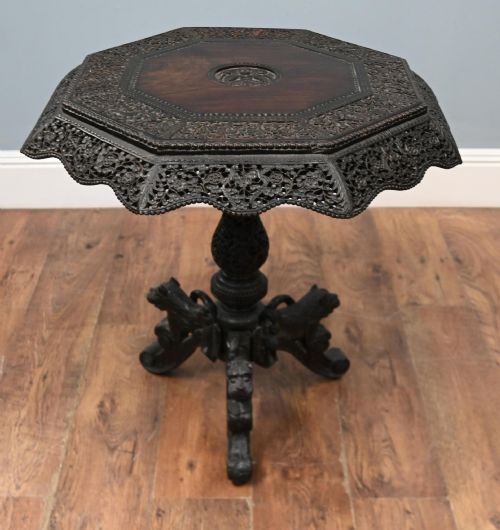
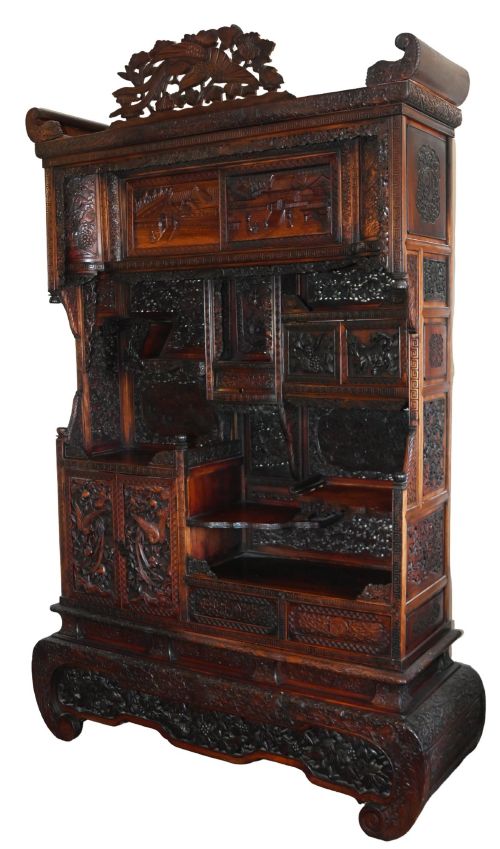
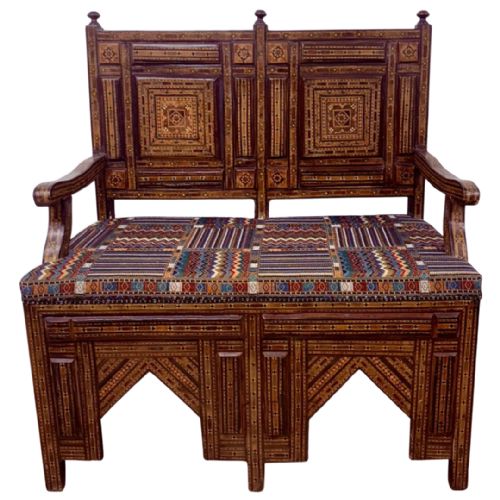
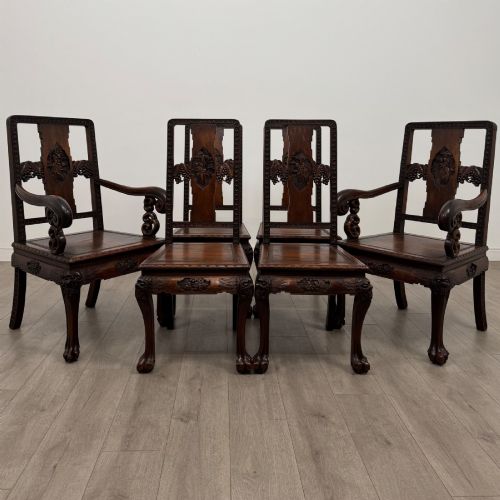
The objects take many practical and decorative shapes, including side tables, console tables, display cabinets, armchairs, benches, and plant stands. Smaller decorative items also appear, such as carved stands for jade or carnelian objects, and sculptural figures depicting subjects like the Laughing Buddha.
Originating largely from the nineteenth and early twentieth centuries, these pieces demonstrate the international reach of skilled woodworking traditions. Workshops utilised dense timbers capable of holding remarkably sharp, deep relief work across various regional aesthetics.
Materials and construction
Makers utilised dense exotic timbers such as rosewood, padouk, and teak, which provided the structural stability necessary for deep, undercut relief carving. These heavy woods resist warping while allowing artisans to execute intricate foliage, figures, and geometric patterns without splintering.
Judging the work
Quality rests primarily on the depth and crispness of the chisel work, distinguishing master carvers from routine production workshops. Superior pieces display undercut details and naturalistic proportions where figures or floral motifs appear fully rounded rather than flatly pressed against the surface.
The selection of the timber itself dictates overall merit, with dense rosewoods and padouks showing uniform grain and rich natural colouration. Integration of secondary materials, such as precisely fitted marble panels or flush mother of pearl inlay, separates exceptional workshop output from simpler utilitarian items.
The Antique Hardwood Carving Glossary
- Padouk
- A heavy, durable tropical hardwood with a reddish-orange hue that darkens to a deep brown over time. It was favoured by nineteenth-century makers for its stability and fine finish.
- Meiji Period
- The era of Japanese history spanning from 1868 to 1912, characterised by intricate cabinetwork and display pieces created for both domestic use and export.
- Qing Dynasty
- The final imperial dynasty of China, lasting from 1644 to 1912, known for robust domestic furniture and export pieces featuring elaborate symbolic carving.
- Anglo-Indian
- A descriptive term for furniture made in India by local artisans using traditional British forms combined with dense native hardwoods and deep floral relief carving.
- Shibayama
- A Japanese decorative technique utilising inlaid shell, ivory, and metal to create pictorial scenes on wood surfaces such as table screens and cabinets.
Antique Hardwood Carving: Frequently Asked Questions
How do I clean antique hardwood?
Dust regularly with a soft, dry cloth to prevent grit from settling into the deep recesses of the carving. Avoid silicone polishes and moisture, which can damage the aged patina of the timber.
Apply a microcrystalline wax sparingly if the wood appears dry, buffing it gently after application to maintain a soft sheen without building up a heavy residue.
Are these pieces suitable for daily use?
Many forms, such as side tables, chairs, and benches, were built for practical household service and remain sturdy enough for normal placement. Heavier display cabinets and delicate plant stands require stable locations away from high-traffic zones.
Keep all items away from direct heat sources and drastic humidity changes to prevent the dense timbers and inlaid materials from shifting or cracking.
How can I tell the region of origin?
Examine the decorative vocabulary and construction methods employed by the workshop. Chinese pieces often incorporate symbolic motifs and mortise-and-tenon joinery, while Anglo-Indian items blend British furniture frames with dense Indian floral carving.
Material choices also offer clues, as regional workshops naturally utilised the specific tropical hardwoods available locally, such as Burmese teak or Chinese rosewood.
Why do some tables have marble insets?
Marble inserts were utilised in table tops and stands to provide a cool, durable, and stain-resistant surface for objects, teacups, or plants. The stone also introduced a pleasing textural contrast against the dark, carved hardwood frames.
These inset panels sit within a rebated groove in the timber, allowing the wood and stone to expand and contract independently without placing stress on the joinery.