

Antique Hardwood Cabinet
An antique hardwood cabinet brings together dense timbers and intricate regional carving, offering both robust storage and a distinct architectural presence for the room.
Antique Hardwood Cabinet
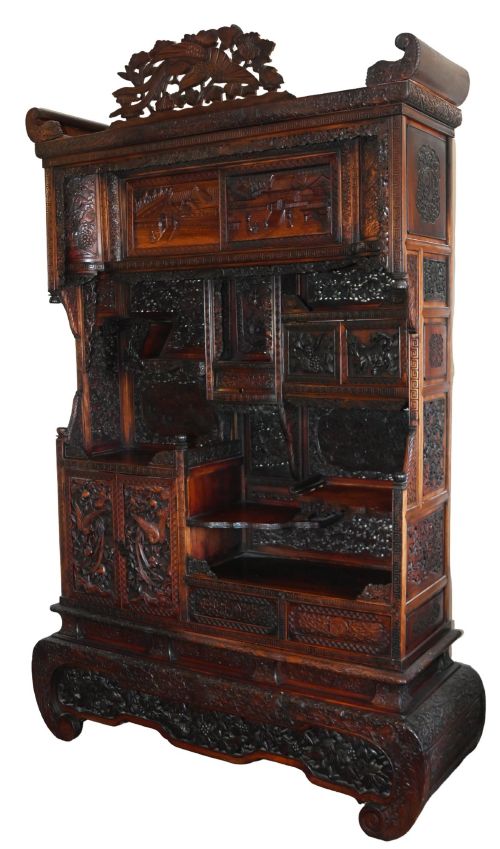
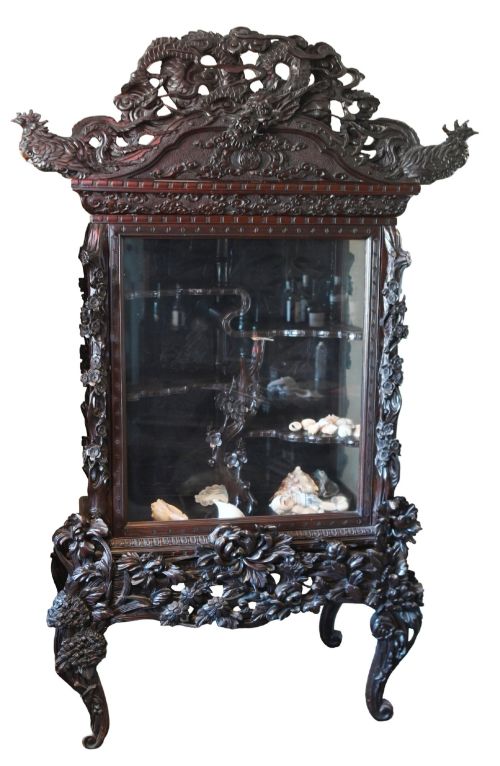
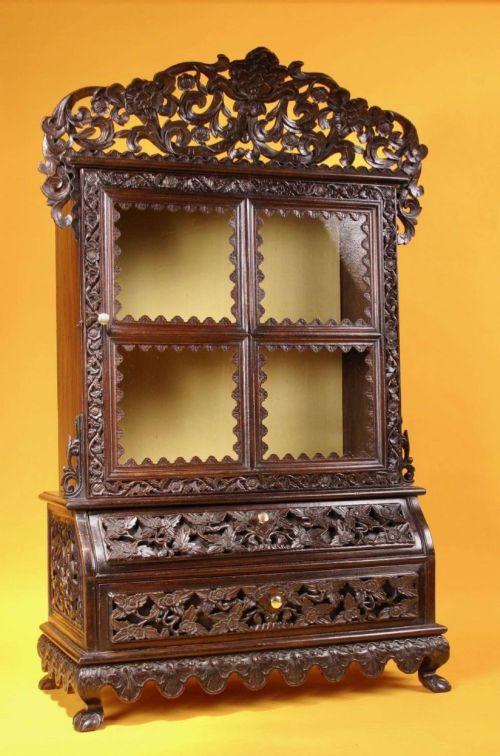
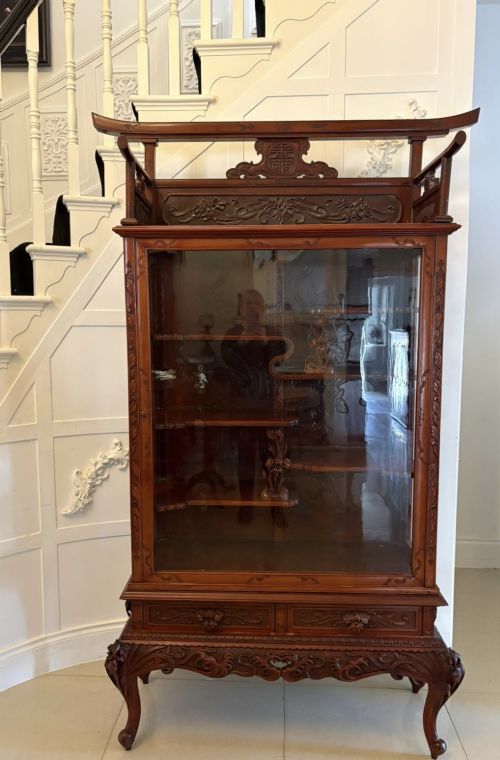
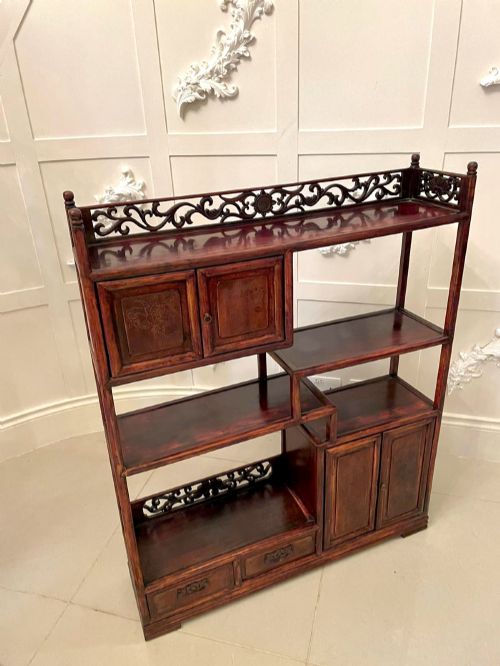
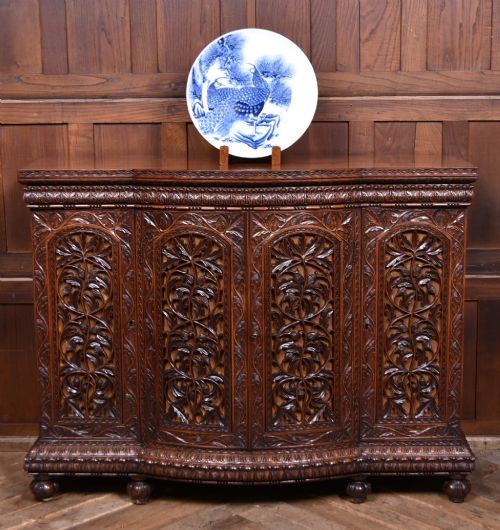
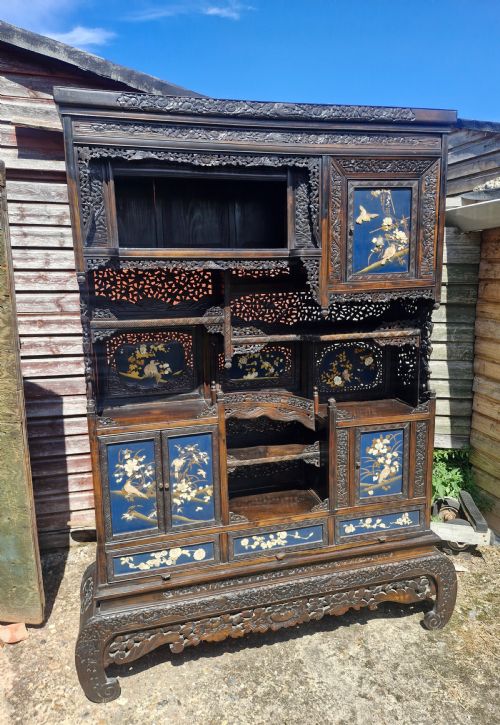
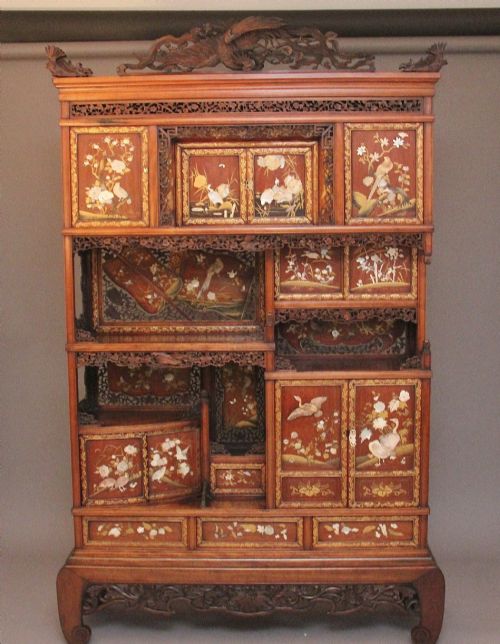
An antique hardwood cabinet encompasses a diverse group of storage forms, ranging from towering display cases and bookcases to compact table cabinets and sideboards. When exploring this selection, buyers encounter pieces originating from distinct global traditions, including Chinese export workshops, Japanese Meiji period studios, and Anglo-Indian colonial makers.
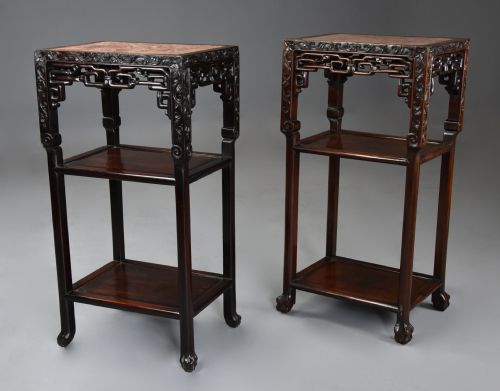
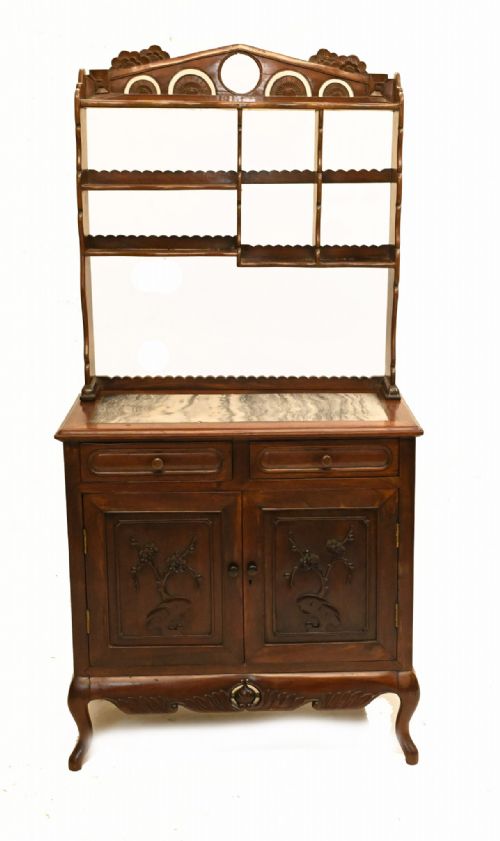
The dominant examples on this page reflect nineteenth-century production, spanning Victorian iterations alongside Qing Dynasty and Meiji period creations. Forms vary widely according to their original domestic or commercial function, taking shape as collector chests, bureau desks, music cabinets, and specialised display furniture.
Regional stylistic influences dictate the overarching silhouette and decorative program of each piece. Makers utilised dense exotic timbers to construct robust frames suited for intricate relief carving, glazing, and specialised internal compartments.
Materials and construction methods
Craftsmen utilised heavy exotic timbers such as padouk, teak, and rosewood, chosen for their structural density and rich natural grain. These dense woods provided a stable foundation for deep chisel work, pierced panels, and applied ornamentation.
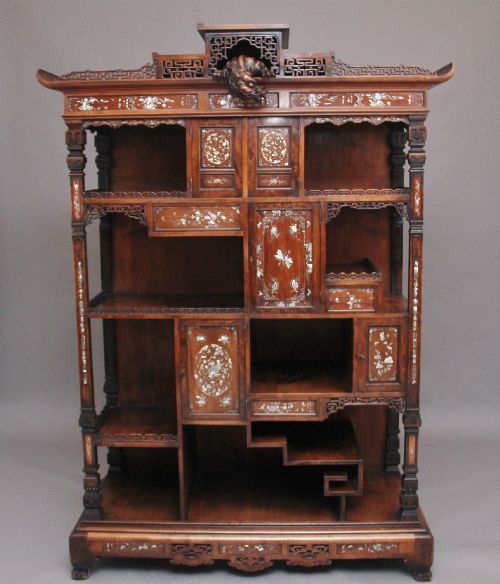
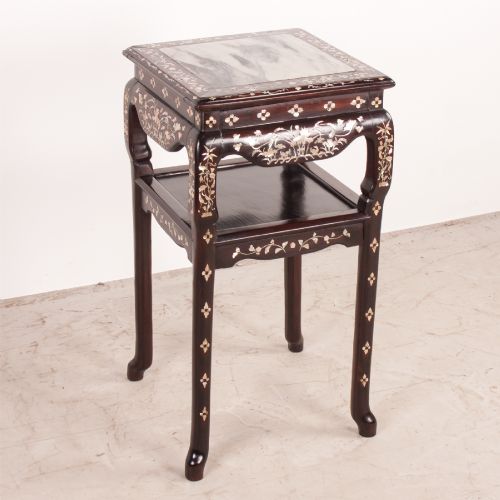
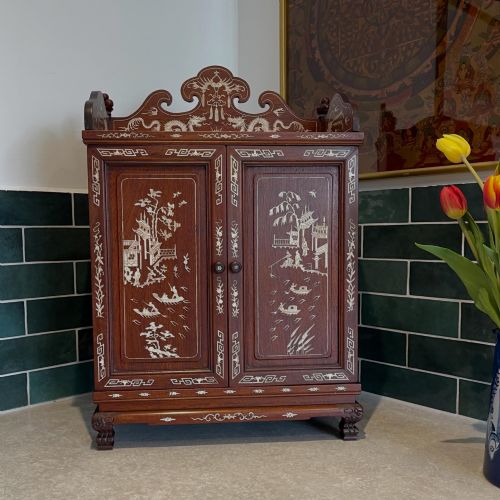
Surface embellishment frequently involved contrasting materials, incorporating brass hardware, glass panels, mother of pearl inlay, and red lacquer finishes. Artisans joined secondary elements with precision, integrating bronze animal decoration or delicate shelf arrangements within Japanese shodona and Chinese display cabinets.
Listings feature nineteenth-century pieces incorporating padouk, teak, brass, and mother of pearl inlay across diverse Asian and European colonial traditions.
Distinctions in craftsmanship
The hierarchy of quality rests upon the crispness of the hand-carved detail and the selection of the timber. Superior pieces display deep, undercut relief work where motifs retain sharp contours, whereas lesser examples rely on shallow, machine-assisted stamping or soft wood bodies.
Structural integrity and the fidelity of regional stylistic details separate standard furniture from exceptional specimens. Refined joinery ensures that heavy glazed doors and multi-tiered shelving units maintain alignment over decades of use.
Gabriel Viardot
The Antique Hardwood Cabinet Glossary
- Shodona
- A type of Japanese display cabinet featuring asymmetrical shelving, sliding doors, and small cupboards. These pieces exemplify the intricate joinery and decorative arts associated with the Meiji period.
- Padouk
- A heavy, durable tropical hardwood displaying a reddish-orange hue that darkens with age to a deep brown. Makers favored this timber for substantial sideboards and carved colonial furniture.
- Japonisme
- A Western artistic movement of the late nineteenth century influenced by Japanese art and design. Furniture in this style adopts asymmetrical compositions and motifs drawn from Eastern aesthetics.
- Collector chest
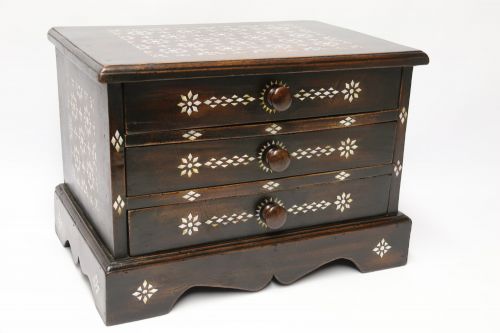
- A specialised cabinet fitted with multiple shallow drawers designed for organising botanical specimens, coins, or small objects. These pieces often feature secure locking mechanisms and compact proportions.
Antique Hardwood Cabinet: Frequently Asked Questions
What is a Japanese shodona cabinet?
A shodona is a traditional Japanese display cabinet characterised by asymmetrical tiers, sliding doors, and small compartments designed to hold art objects. These pieces showcase the intricate woodworking skills of Meiji period craftsmen.
Such cabinets function as focal points in a room, offering display space for ceramics or small sculptures while demonstrating complex joinery techniques.
How do I distinguish Anglo-Indian furniture?
Anglo-Indian furniture combines traditional British forms, such as sideboards and bureau desks, with dense tropical hardwoods like padouk and teak. Artisans carved these pieces with dense, foliate relief patterns influenced by local craftsmanship.
These items often feature deep patination and substantial weight, reflecting the colonial exchange of design ideas during the nineteenth century.
Where were Chinese display cabinets used?
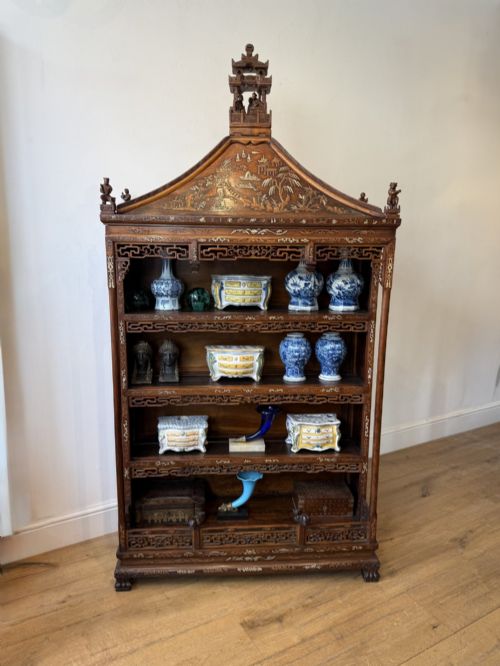
Chinese display cabinets served primarily in scholar's studios or formal reception rooms to hold books, scrolls, and decorative objects. Elaborate examples often incorporated lattice panels and pagoda-inspired cornices.
In a modern interior, these cabinets provide vertical storage and display capability while introducing distinct architectural lines to living spaces.
How do I care for hardwood furniture?
Hardwood furniture benefits from stable indoor humidity levels and protection from direct sunlight, which can dry out dense timbers like rosewood and teak. Regular dusting with a soft, dry cloth preserves the natural grain and polish.
Avoid applying silicone-based polishes, allowing the wood to develop a natural patina over decades of careful handling.