
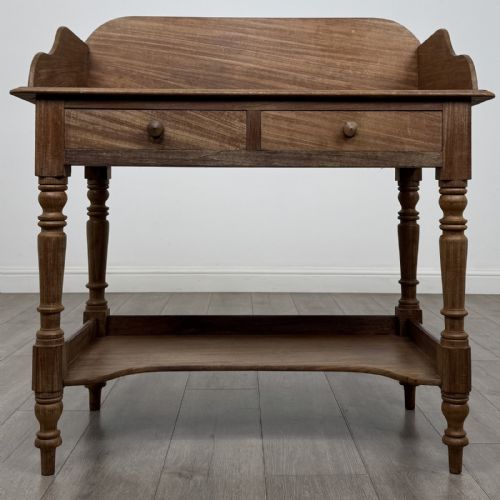
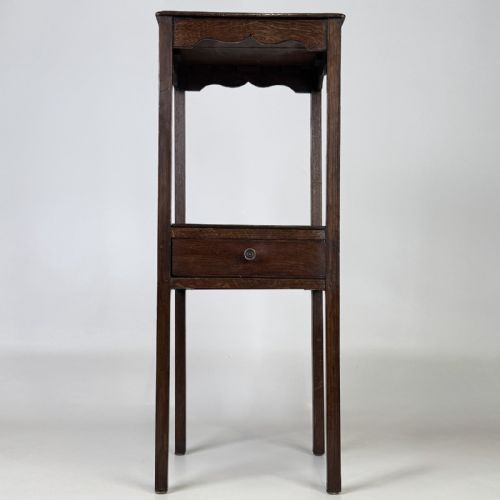
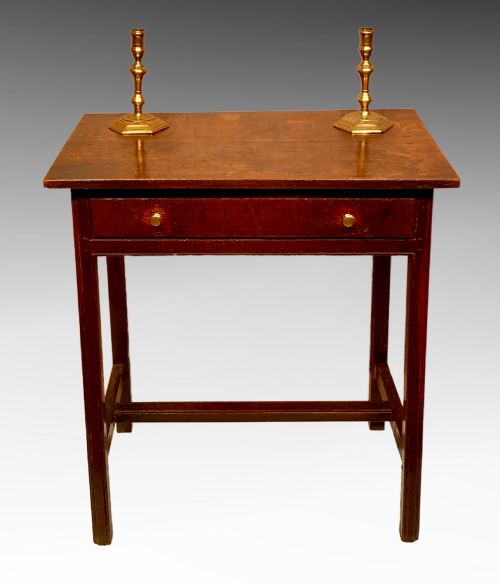
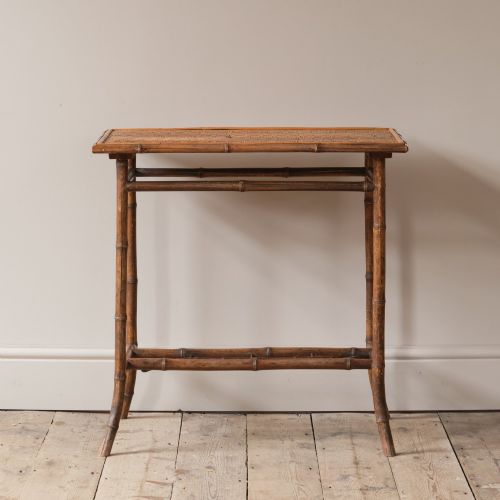
Antique Hall Stand Table
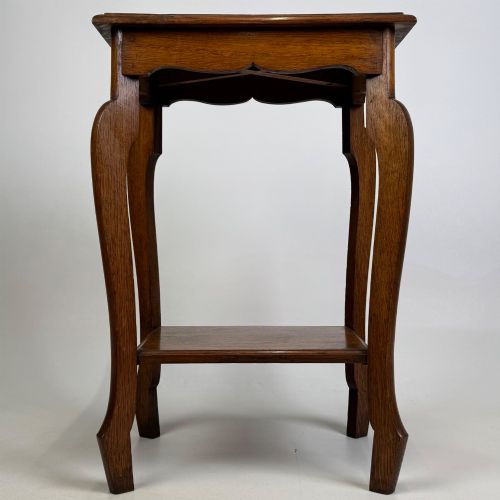
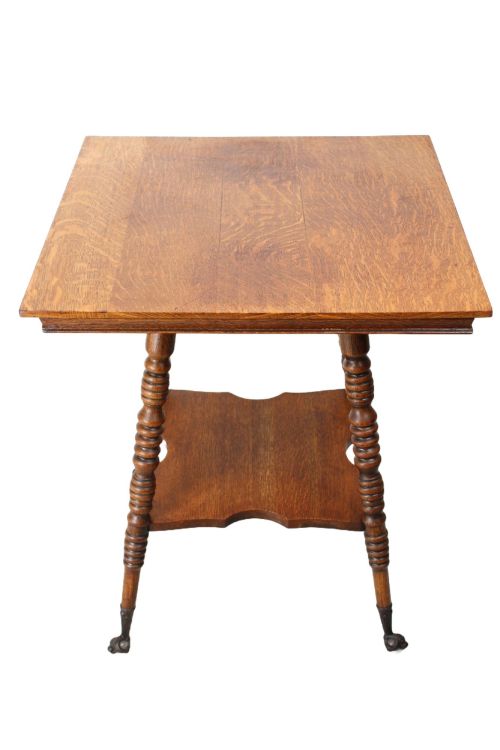
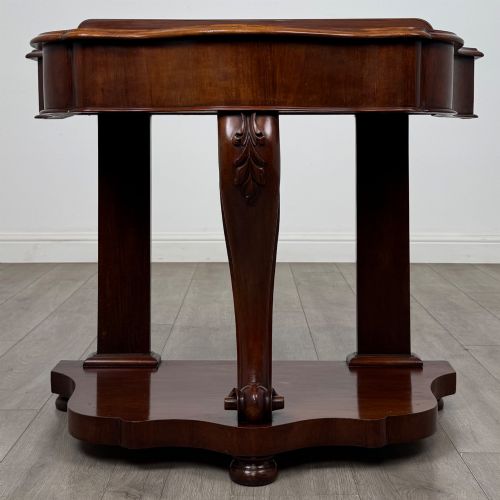
An antique hall stand table greets visitors with solid oak, carved mahogany, and practical charm from the Victorian and Edwardian eras.
Antique Hall Stand Table
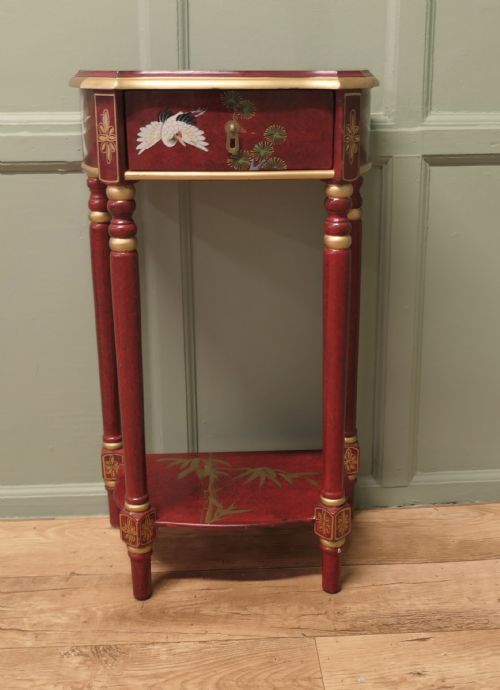
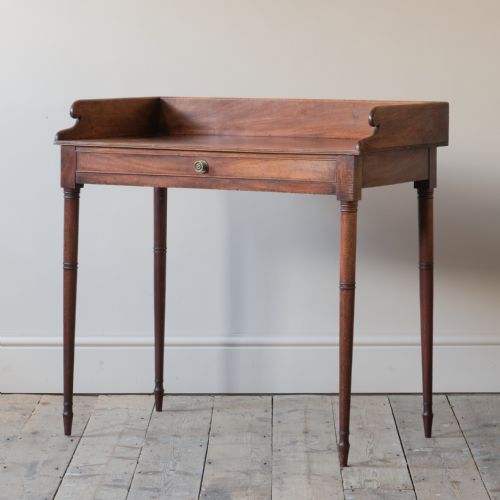
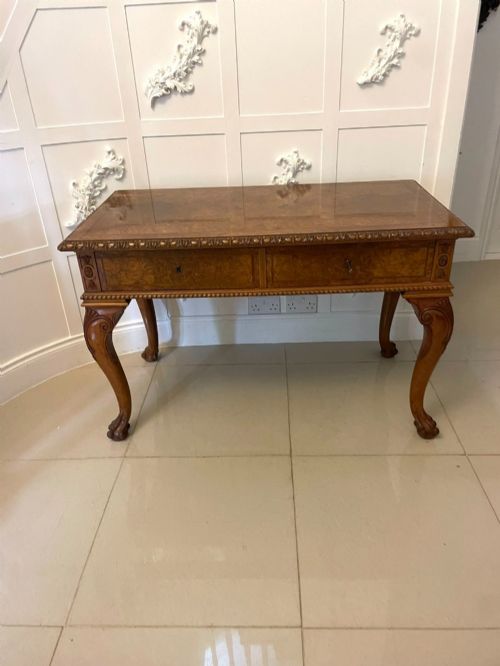
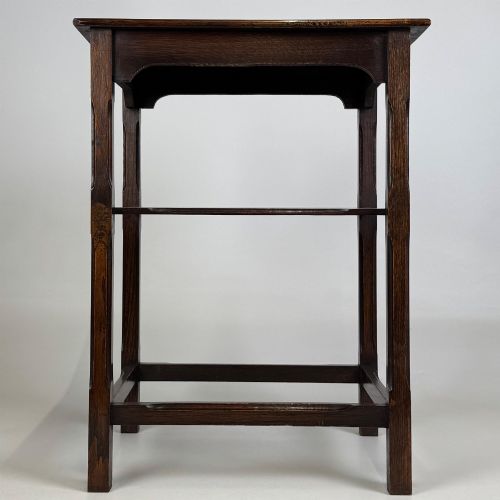
When you search for an antique hall stand table, you enter a category that overlaps with side tables, console tables, and washstands designed for entranceways and hallways. The pieces meeting you here span from the 19th century through the 1930s, crossing Edwardian, Victorian, and Arts and Crafts movements.
Solid oak and mahogany dominate the offerings, often taking the form of side tables, console tables, or occasional tables placed by a front door. Many incorporate practical surfaces for dropping keys, hats, or letters upon entry.
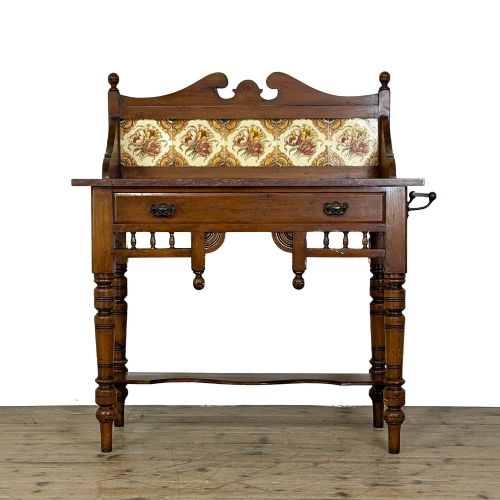
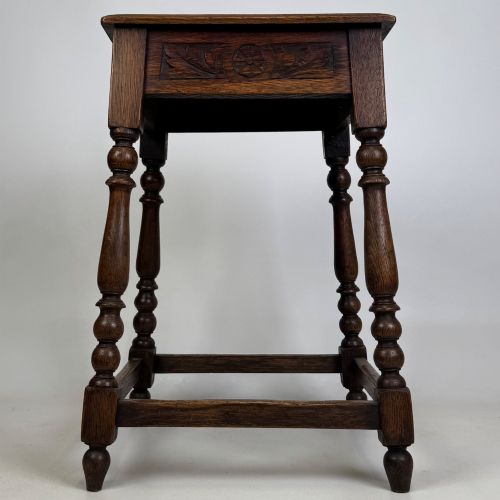
The versions most common on this page combine functional timber frames with period details such as barley twist legs, mirror backs, or tiled surfaces. They serve the exact purpose today that they did a century ago, grounding an entrance hall with period character.
How they were made
Cabinetmakers built these tables using robust timbers like oak, mahogany, walnut, and pine, selecting woods that could withstand daily use in high-traffic entryways. Joints such as mortise and tenon provided the structural integrity required for freestanding furniture.
Surface ornamentation relied heavily on hand carving, grain painting, and decorative inlays in contrasting woods. Brass hardware, marble tops, and inset ceramic tiles also appeared on specific washstand and console variants to protect against moisture and wear.
Listings feature oak, mahogany, walnut, pine, and fruitwood across Edwardian, Victorian, and 1920s periods.
What varies in quality
The distinction between standard utility furniture and exhibition pieces rests in the ambition of the design and the depth of the carving. Tables marked by substantial timber thickness, figured burr walnut veneers, and integrated mirrors represent the upper tier of production.
Simpler pine or oak side tables rely on honest, straightforward construction rather than elaborate decoration. The harmony of proportions, the original state of the timber finish, and the integrity of structural joints ultimately dictate where a piece sits within the range.
Hindley and Sons·Liberty of London·William Birch·Liberty and Co
The Antique Hall Stand Table Glossary
- Console Table
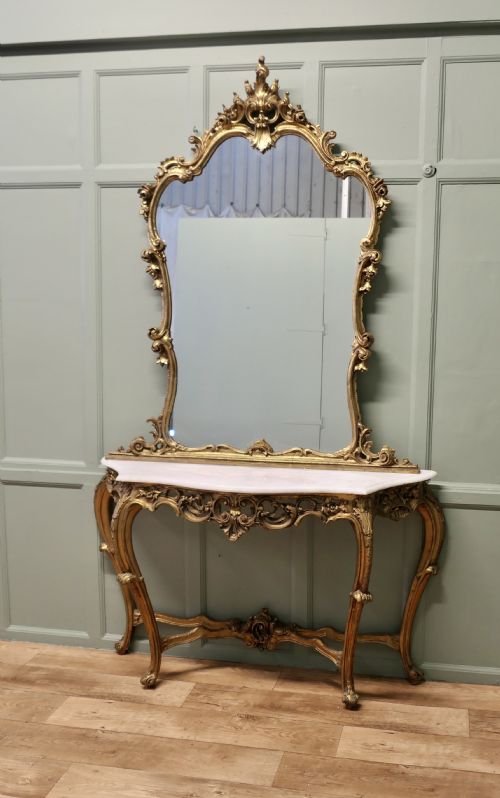
- A table fixed to a wall or designed to stand against one, often fitted with a decorative bracket or legs at the front. These pieces suit narrow entrance halls and corridors.
- Washstand
- A wooden table originally built to hold a wash basin and pitcher, frequently adapted today as a side or hall table. They often include marble tops or tiled splashbacks.
- Barley Twist
- A turned wooden furniture leg resembling a twisted rope or barley sugar stick. This decorative technique appears frequently on Victorian and Jacobean revival pieces.
- Occasional Table
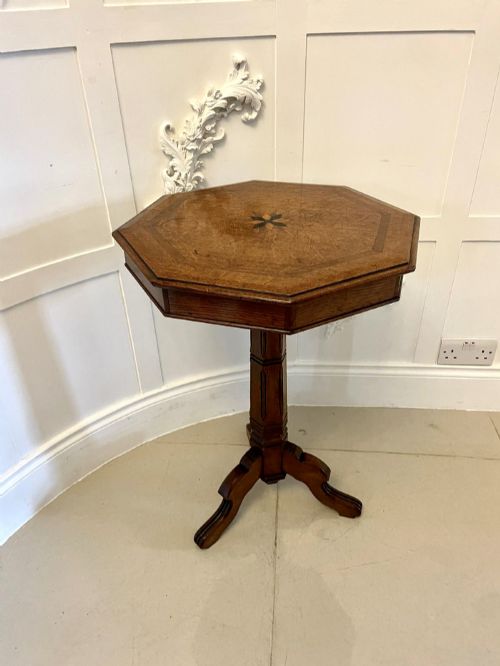
- A small, movable table intended for sporadic use around a room or hallway. They take various top shapes including octagonal and oval.
- Arts and Crafts
- A design movement prioritising traditional craftsmanship, simple forms, and visible construction methods. Oak tables from this style often display exposed joinery.
Antique Hall Stand Table: Frequently Asked Questions
Where do I put a hall table?
These tables find their natural home in entrance halls, corridors, and narrow passageways where surface space is needed without blocking foot traffic.
Their slim profiles allow them to sit flush against a wall, holding everyday items like post, keys, and decorative bowls.
How do I clean wooden tables?
Dust timber surfaces regularly with a soft, dry cloth to prevent grit accumulation. Avoid modern silicone sprays that build up over time.
Feed the wood periodically with a traditional beeswax polish to nourish the grain and maintain the natural patina.
Are washstands practical for hallways?
Washstands make excellent hallway furniture because many feature durable marble tops or tiled surfaces originally intended to resist water splashes.
These robust surfaces easily handle daily wear from keys and bags while offering useful lower shelves or cupboards for storage.
How do I date an oak table?
Dating relies on examining construction marks, timber selection, and stylistic details such as carved motifs or turned leg profiles. Edwardian and Victorian pieces often show specific machine-sawn or hand-finished traits.
Comparing the structural joinery and hardware against documented examples from the same era helps narrow down the decade.